







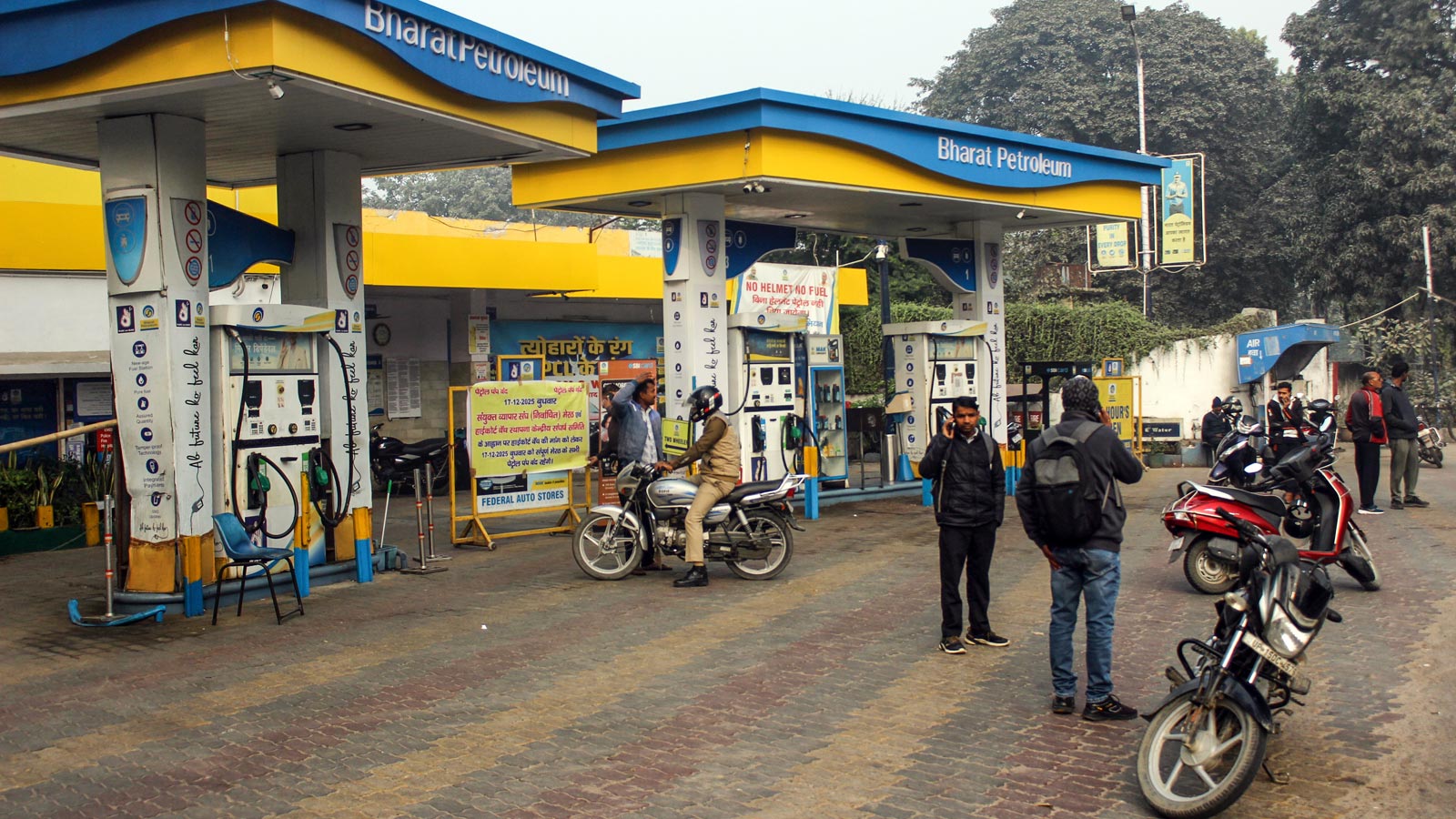
The Centre has imposed temporary restrictions on the bulk sale of diesel through retail fuel outlets to curb black marketing, hoarding and the diversion of subsidised fuel, amid rising demand pressures and disruptions in global energy markets.
The Ministry of Petroleum and Natural Gas (MoPNG) on Thursday notified the Motor Spirit and High-Speed Diesel (Temporary Regulation of Supply through Retail Outlets) Order, 2026, which will remain in force for an initial period of 90 days. The order aims to ensure uninterrupted fuel availability for ordinary consumers while preventing industrial and commercial users from exploiting the price difference between retail and bulk diesel supplies.
Under the new regulations, retail fuel stations operated by public sector oil marketing companies will be permitted to dispense a maximum of 200 litres of diesel per customer or vehicle per day. Fuel can only be supplied directly into vehicle tanks or approved containers, and diesel purchased from retail outlets cannot be resold.
The government clarified that the restrictions are not a rationing measure and will not affect ordinary motorists. The Ministry said that 200-litre cap is far above the fuel requirements of most private vehicle owners and is targeted primarily at large-scale consumers who have increasingly shifted purchases from dedicated consumer pumps to retail outlets to take advantage of lower retail prices.
According to the ministry, industrial, institutional and commercial consumers have been procuring diesel from retail outlets because retail diesel is currently around ₹40 per litre cheaper than bulk supplies. The price gap has widened as public sector oil marketing companies continue to absorb significant losses to shield consumers from rising global fuel prices.
The Ministry said public sector oil marketing companies (OMCs) are currently bearing losses of nearly ₹500 crore per day on the sale of petrol, diesel and domestic LPG to protect households, farmers and small consumers from the impact of volatile international crude oil markets.
Data released by the ministry showed a sharp increase in diesel sales at public sector retail outlets during May 2026. Compared with the same period last year, 327 districts recorded diesel sales growth of more than 10 per cent, while 80 districts registered growth exceeding 30 per cent. The surge has been attributed largely to bulk consumers shifting their purchases to retail pumps and to a decline of nearly 58 per cent in diesel sales by private oil marketing companies during May due to higher prices.
The ministry said several instances of bulk diesel procurement through jerry cans and subsequent resale had come to the government’s notice. Such practices have contributed to localized supply disruptions and raised concerns about fuel diversion and black marketing.
To address the issue, industrial and institutional consumers have been directed to source fuel exclusively through authorised consumer pumps rather than retail outlets. Oil marketing companies and retail outlet dealers have been made responsible for ensuring compliance with the new rules and preventing any attempts to circumvent the restrictions.
State governments and Union Territory administrations have also been asked to take strict action against black marketing, unauthorized diversion and other malpractices that could affect fuel availability for genuine consumers.
Violations of the order will attract penalties and legal action under the provisions of the Essential Commodities Act, 1955, and other applicable laws.
The government maintained that there is no shortage of petrol or diesel in the country and emphasised that India remains the world’s fourth-largest refiner and fifth-largest exporter of refined petroleum products. Officials said the temporary measures are intended solely to address current market distortions, safeguard retail consumers and ensure energy security during a period of heightened geopolitical uncertainty.
The move comes as India navigates the impact of continuing disruptions in West Asia, where tensions have affected global energy supply chains and increased pressure on international crude oil prices. The government said it remains committed to maintaining uninterrupted fuel supplies while protecting consumer interests through timely and proactive interventions.


