







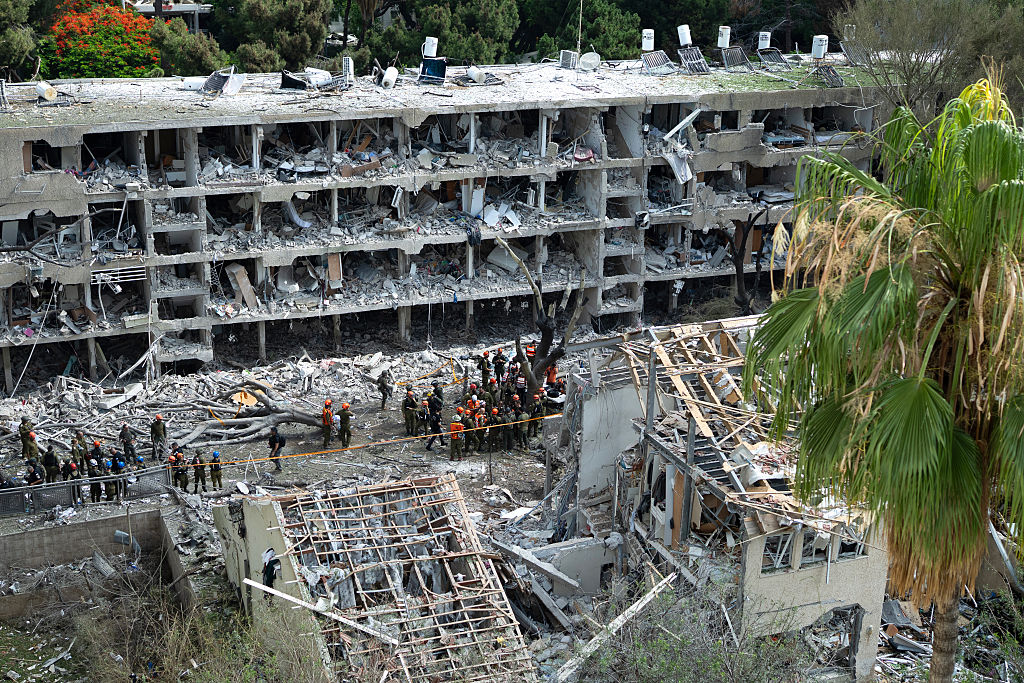
A fragile ceasefire between Israel and Hezbollah has taken effect following intensive diplomatic efforts by the United States, Qatar and Iran, raising hopes of preventing a broader collapse of the recently announced U.S.-Iran peace framework for West Asia. According to United States, the truce began at 4 p.m. local time on Friday after a sharp escalation in fighting in southern Lebanon threatened to derail ongoing diplomatic efforts.The ceasefire follows one of the deadliest exchanges in recent weeks. Israeli airstrikes in southern Lebanon reportedly killed at least 18 people, while Hezbollah attacks killed four Israeli soldiers. The violence prompted the postponement of planned talks in Switzerland between U.S. Vice President J.D. Vance and senior Iranian negotiators, with Tehran insisting that hostilities in Lebanon must stop before diplomatic engagement could resume.
The ceasefire is being seen as an important step towards easing tensions across West Asia. The truce was secured after urgent efforts by the United States, Qatar and Iran, following a sharp rise in fighting between Israel and Hezbollah that raised fears of a wider conflict.The ceasefire also supports ongoing diplomatic efforts between Washington and Tehran aimed at reducing regional tensions and ensuring the smooth flow of trade through shipping routes.However, major challenges remain. Israeli forces continue to hold positions in parts of southern Lebanon, while Hezbollah has insisted that Israel must fully withdraw. More talks are expected in the coming days if the ceasefire holds. But the situation remains fragile, and any fresh confrontation could quickly undermine the latest peace efforts.
Beyond Lebanon, signs of progress are also emerging under the broader U.S.-Iran understanding. Regional governments and international stakeholders are closely monitoring shipping activity through the Strait of Hormuz.The recently signed Memorandum of Understanding appears to be holding, creating a sixty-day stabilization period aimed at reducing tensions across West Asia.One of the most significant developments is in the maritime domain. The United States has formally lifted its naval blockade of Iranian ports. In return, Iran has pledged to ensure free and uninterrupted passage through the Strait of Hormuz, with the goal of restoring normal commercial shipping operations within the next thirty days.This is expected to ease concerns over energy supplies and help stabilize international shipping and trade flows through one of the world’s most strategically important waterways.


