







Even as concerns persist over the possible impact of El Niño on the southwest monsoon, the Centre has intensified its preparedness measures with weekly monitoring, district-level contingency plans, seed reserves and enhanced farmer support initiatives to safeguard the ongoing Kharif season.
The government’s preparedness was reviewed at the highest level during a meeting chaired by Principal Secretary to the Prime Minister Dr. P.K. Mishra on July 7, where senior officials from more than 15 ministries assessed the potential impact of El Niño on agriculture and other sectors of the economy.
The meeting reviewed preparedness measures across agriculture, water resources, power, health, rural development, consumer affairs, fertilizers, animal husbandry, economic affairs and meteorology. Ministries were directed to maintain close coordination with state governments, closely monitor the evolving situation and implement micro-level strategies to minimise the impact on agriculture and economic activity.
According to the India Meteorological Department (IMD), although the onset of the southwest monsoon was delayed by around 10 days in Gujarat, Madhya Pradesh, Chhattisgarh and Maharashtra, rainfall during the first week of July has significantly improved the overall situation. The all-India rainfall deficit has narrowed to 12 per cent as of July 7, while weak to moderate El Niño conditions are expected during July and August. Officials noted that an El Niño year does not necessarily result in below-normal rainfall.
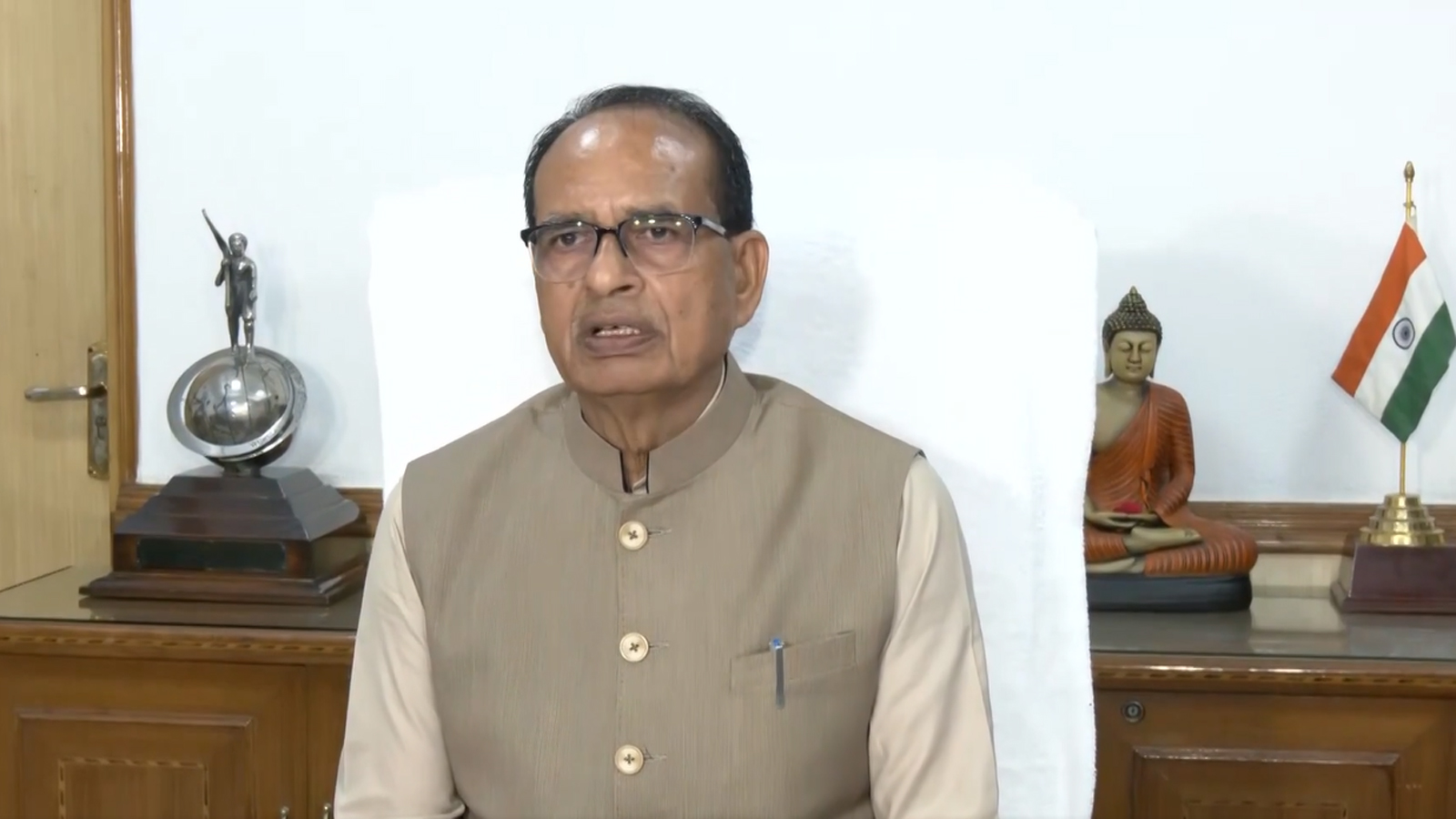
Addressing the media after a high-level review meeting, Union Agriculture and Farmers’ Welfare Minister Shivraj Singh Chouhan said the government had begun preparations as early as April in anticipation of possible monsoon disruptions.
He said rainfall conditions had improved considerably after June recorded a 33 per cent deficit, with the shortfall reducing to 24 per cent in early July. The number of rainfall-deficient districts has also declined from 262 to 178 following recent rainfall across several parts of the country.
Chouhan said the Centre is closely monitoring conditions in Maharashtra, Madhya Pradesh, Gujarat, Uttar Pradesh, Rajasthan, Karnataka, Bihar, Jharkhand, Telangana, Andhra Pradesh, Punjab, West Bengal and Odisha, expressing confidence that rainfall would gather further momentum during July and accelerate Kharif sowing.
According to the Agriculture and Farmers Welfare Ministry, Kharif sowing has so far been completed over 350.85 lakh hectares, about 91.95 lakh hectares lower than the corresponding period last year due to the delayed arrival of the monsoon. Soybean and cotton have been the most affected crops.
To minimise losses, farmers in affected areas have been advised to cultivate short-duration and low water-intensive crops such as maize, bajra and moong wherever suitable.
The government has also updated District Agriculture Contingency Plans for 262 vulnerable districts in collaboration with the Indian Council of Agricultural Research (ICAR). Standard Operating Procedures for managing El Niño-related agricultural risks have been issued to Krishi Vigyan Kendras, while weekly meetings of the Crop Weather Watch Group with state governments are being held to monitor rainfall, reservoir storage, crop sowing, input availability, market trends and emerging pest and disease situations.
As part of the nationwide ‘Khet Bachao Abhiyan’ conducted in June, more than 1.24 lakh awareness programmes were organised across the country, reaching over 80 lakh farmers with advisories and contingency measures.
To ensure uninterrupted sowing operations, the Centre has maintained a national seed reserve of nearly 1.75 lakh quintals. Simultaneously, efforts have been intensified to improve farmers’ access to institutional credit and crop insurance. More than 94,000 Kisan Credit Card applications have been approved out of 1.14 lakh applications received by June 30, while states have been asked to maximise enrolment under the Pradhan Mantri Fasal Bima Yojana to provide financial protection against weather-related crop losses.
The Prime Minister’s Office (PMO) review also assessed preparedness in several other sectors. The Department of Animal Husbandry was directed to continuously monitor the availability of dry fodder, green fodder and cattle feed, while the Department of Drinking Water and Sanitation was asked to undertake micro-level planning in vulnerable districts to ensure adequate drinking water supplies.
The Department of Water Resources reviewed groundwater levels and reservoir storage, with directions issued for optimal utilisation of available water and judicious reservoir management. The Health Ministry informed the meeting that advisories relating to heatwaves, high humidity and dengue outbreaks are already in place, while departments dealing with fertilizers and consumer affairs reported adequate availability of fertilizers and buffer stocks of essential food grains and pulses.
The Department of Rural Development also informed the meeting that works under the Viksit Bharat–Guarantee for Rozgar and Ajeevika Mission have commenced from July 1, generating nearly one crore person-days of employment so far.
Chairing the review, Mishra directed all ministries to continuously assess the impact of the monsoon in vulnerable districts in coordination with state governments and ensure timely remedial action wherever required. He emphasised the need for coordinated efforts to maintain adequate availability of agricultural inputs, drinking water, fodder, fertilizers and essential commodities throughout the Kharif season.
The Centre said it remains fully equipped with contingency plans, adequate resources and an extensive monitoring mechanism, including the El Niño Monitoring Cell, Crop Weather Watch Group, state-level control rooms and designated officers, to respond promptly to any emerging challenges and ensure uninterrupted support to farmers during the ongoing agricultural season.


