







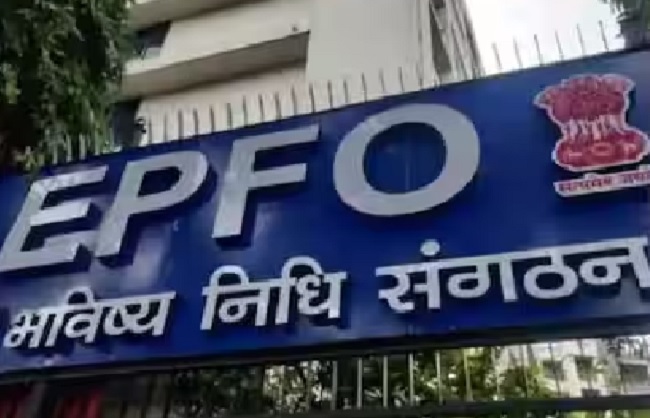
The Employees’ Provident Fund Organisation (EPFO) has launched the Amnesty Scheme, 2026, offering a one-time opportunity for establishments operating exempted Provident Fund (PF) Trusts to regularise their status under the Employees’ Provident Fund and Miscellaneous Provisions Act, 1952.
The scheme, introduced by the Ministry of Labour and Employment, will remain open for six months from its notification on June 29, 2026, and is aimed at bringing eligible provident fund trusts into compliance with the revised legal framework.
According to the EPFO, the Finance Act, 2026 has aligned the income tax provisions governing recognised provident funds with the statutory framework of the EPF Act and the Code on Social Security, 2020. Under the new framework, recognition under the Income Tax Act will be available only to provident funds that have obtained exemption under Section 17 of the EPF Act.
As part of the amnesty initiative, eligible establishments will be granted retrospective exemption under Section 17 of the EPF Act and Section 143 of the Code on Social Security, 2020.
The scheme is applicable to establishments that have been operating provident fund trusts recognised under the Income Tax Act but have not obtained a formal exemption notification from either the Central or the State Government.
EPFO has identified two categories of eligible establishments. The first includes organisations seeking retrospective regularisation while already complying, or opting to comply, as un-exempted establishments. The second category covers establishments seeking retrospective regularisation while continuing to operate as exempted establishments under the Code on Social Security, 2020.
The amnesty scheme offers several relief measures, including retrospective regularisation of exemption status from the inception of the trust up to a designated cut-off date. It also waives key eligibility requirements under the Code on Social Security, such as minimum employee strength, corpus size and the mandatory three-year compliance period.
In addition, pending assessments relating to provident fund dues, damages and interest will be withdrawn, provided employee accounts have received contributions and interest at rates equal to or higher than statutory requirements. The EPFO said past finalised orders would also be treated as void from the outset under the scheme’s provisions.
To avail themselves of the scheme, eligible establishments must submit a formal application to the Central Government through the concerned EPFO Regional Office. Applications can be sent via email to the respective regional office, while expressions of interest may be submitted at rc.exemption@epfindia.gov.in.
The EPFO has made it mandatory for applicants to have their financial accounts audited by a Chartered Accountant. Any special or compliance audit directed by EPF authorities must be completed within three months of submitting the application.
The organisation has advised employers and stakeholders to refer to the relevant provisions of the Employees’ Provident Fund Scheme, 2026, as notified in the Gazette on June 29, 2026, along with detailed operational guidelines available on the EPFO website. It added that regional offices across the country will provide guidance and process applications submitted under the scheme.


