







The Centre has strengthened India’s preparedness to detect and respond to emerging infectious diseases by expanding diagnostic infrastructure, enhancing genomic surveillance and reinforcing coordination between Central and State health authorities, the Ministry of Health and Family Welfare said on Tuesday.
The ministry said it regularly reviews and upgrades preparedness through national programmes and institutions, including the Viral Research and Diagnostic Laboratories (VRDL) network, genomic surveillance initiatives and wastewater surveillance for the early detection of pathogens of public health importance. Preparedness is also reinforced through simulation exercises, mock drills and rapid outbreak response mechanisms.
Under the Integrated Disease Surveillance Programme (IDSP), implemented by the National Centre for Disease Control (NCDC), the nationwide Indian Council of Medical Research (ICMR) Viral Research and Diagnostic Laboratories (VRDL) network has been expanded to 163 laboratories, comprising 11 Regional VRDLs, 27 State VRDLs and 125 Medical College VRDLs. The expansion is aimed at strengthening diagnostic capacity across the country.
To further improve disease surveillance and outbreak response, the government has established Infectious Disease Research and Diagnostic Laboratories along with four Regional Next-Generation Sequencing Hubs. These facilities are expected to enhance decentralised diagnostics, enable genomic characterisation of pathogens, standardise data generation and ensure timely reporting for effective public health surveillance.
The ministry said coordination between the Centre and states during public health emergencies has been strengthened through real-time disease surveillance and reporting under the Integrated Disease Surveillance Programme (IDSP) and the Integrated Health Information Platform (IHIP). Regular information sharing and coordinated outbreak response mechanisms have also been institutionalised.
During disease outbreaks, the Centre provides technical support through collaborative investigations, risk assessments, laboratory confirmation and the deployment of multidisciplinary experts under the National Joint Outbreak Response Team, whenever required. These coordination mechanisms have also been tested through simulation exercises and mock drills to improve emergency preparedness.
As part of long-term efforts to strengthen the country’s health security, the government has launched the Pradhan Mantri-Ayushman Bharat Health Infrastructure Mission (PM-ABHIM). The mission aims to enhance the capacity of primary, secondary and tertiary healthcare facilities and institutions to identify and manage new and emerging diseases.
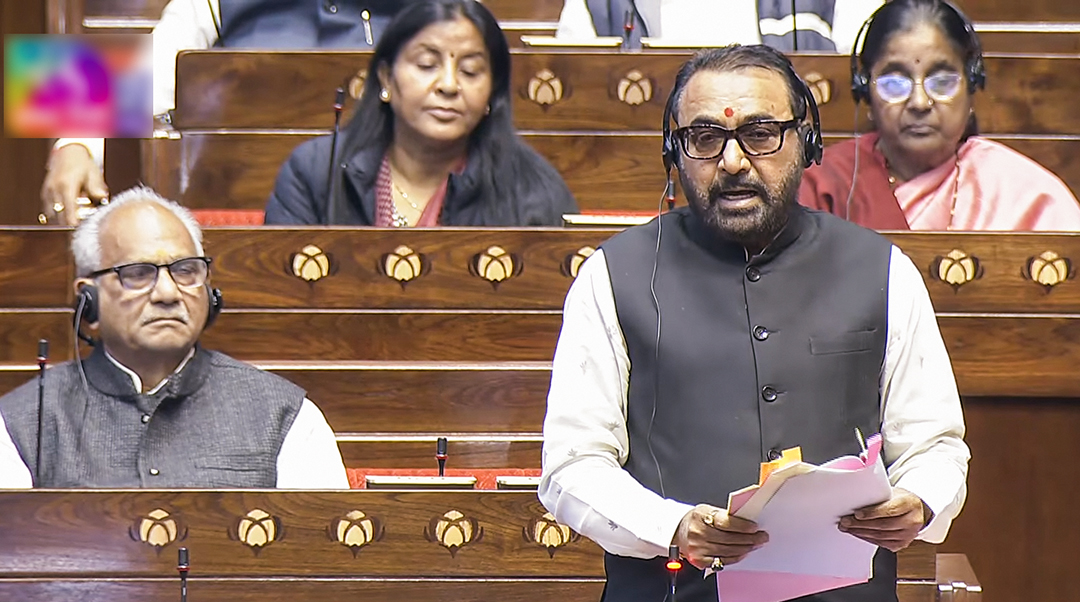
The information was shared by Minister of State for Health and Family Welfare Prataprao Jadhav in a written reply in the Rajya Sabha on Tuesday.


