







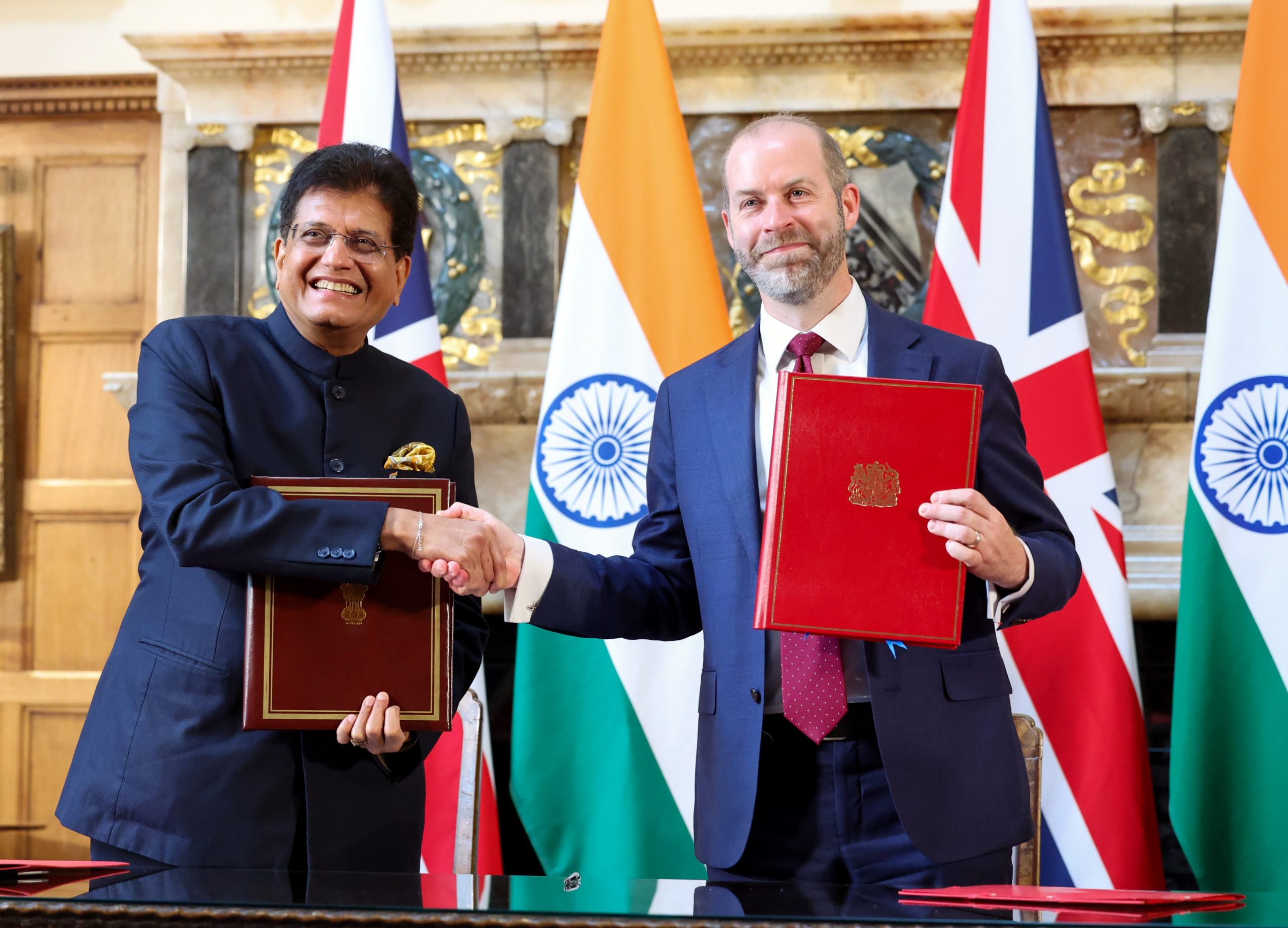
The coming into force of the India-United Kingdom Comprehensive Economic and Trade Agreement (CETA) marks a defining moment in India’s economic diplomacy and global engagement. More than a trade pact, it is a reflection of India’s rising economic stature, diplomatic confidence and strategic vision under the leadership of Prime Minister Narendra Modi. As the world’s fastest growing major economy, CETA stands out as a milestone that promises to accelerate India’s journey towards becoming a developed nation in the days to come.
Prime Minister Narendra Modi aptly described the agreement as a significant moment in India-UK relations, noting that it will provide fresh momentum to farmers, entrepreneurs, MSMEs and innovators. His remarks underline the broader significance of the agreement, which seeks not only to expand bilateral trade but also to create new avenues for investment, employment, technology transfer and long term economic cooperation.
One of the most significant achievements of CETA is the enhanced market access it provides to Indian exporters. With preferential access for nearly 99 percent of Indian exports to the United Kingdom, sectors such as textiles, apparel, leather, engineering goods, gems and jewellery, pharmaceuticals, marine products and processed food are poised to witness unprecedented growth. This expanded access is expected to enhance India’s export competitiveness, strengthen domestic manufacturing and generate employment across multiple sectors.
The agreement is particularly promising for India’s Micro, Small and Medium Enterprises (MSMEs), which form the backbone of the country’s industrial and export ecosystem. By reducing trade barriers and simplifying market access, CETA creates opportunities for thousands of Indian businesses to reach high value international markets. This aligns perfectly with the government’s vision of Make in India, Aatmanirbhar Bharat and the aspiration of transforming India into a global manufacturing and innovation hub.
India’s agricultural sector also stands to benefit considerably. Farmers producing tea, spices, rice, fruits, seafood and processed agricultural products will have greater opportunities to access premium markets in the United Kingdom. Better export prospects can translate into improved incomes, enhanced value addition and greater prosperity for rural India, reinforcing the government’s commitment to inclusive and sustainable growth.
Equally noteworthy are the provisions which are aimed at facilitating greater mobility for Indian professionals. Easier access for skilled workers, along with measures to address issues such as double social security contributions, will enhance opportunities for Indian talent in one of the world’s leading economies. This also recognises India’s growing strength as a global provider of skilled human resources and reinforces its position in the international knowledge economy.
The India-UK CETA also reflects the remarkable transformation in India’s economic diplomacy over the past decade. The country has moved beyond being a participant in global trade negotiations to becoming a confident and influential partner capable of negotiating comprehensive agreements that protect national interests while creating new economic opportunities. It sends a powerful signal that India is prepared to play a larger role in shaping the future of international trade.
Beyond its economic dimensions, the agreement strengthens the broader strategic partnership between India and the United Kingdom. As trusted democratic partners with shared values and complementary economic strengths, both nations are laying the foundation for deeper cooperation in trade, technology, innovation, education, clean energy and advanced manufacturing. Without doubt, the real success of CETA depends on its effective implementation. Industry, exporters, MSMEs and farmers need to be supported through improved infrastructure, skill development, quality standards and export facilitation to fully realise its immense potential, which Indian government under PM Modi has consistently been doing.
The India-United Kingdom Comprehensive Economic and Trade Agreement (CETA) is not merely a commercial arrangement, it is a bold statement of India’s growing economic confidence and global aspirations. As the nation advances towards the vision of Viksit Bharat 2047, CETA stands as another landmark achievement that strengthens India’s position as a trusted economic partner, a competitive manufacturing powerhouse and an emerging leader in the global economy.


