







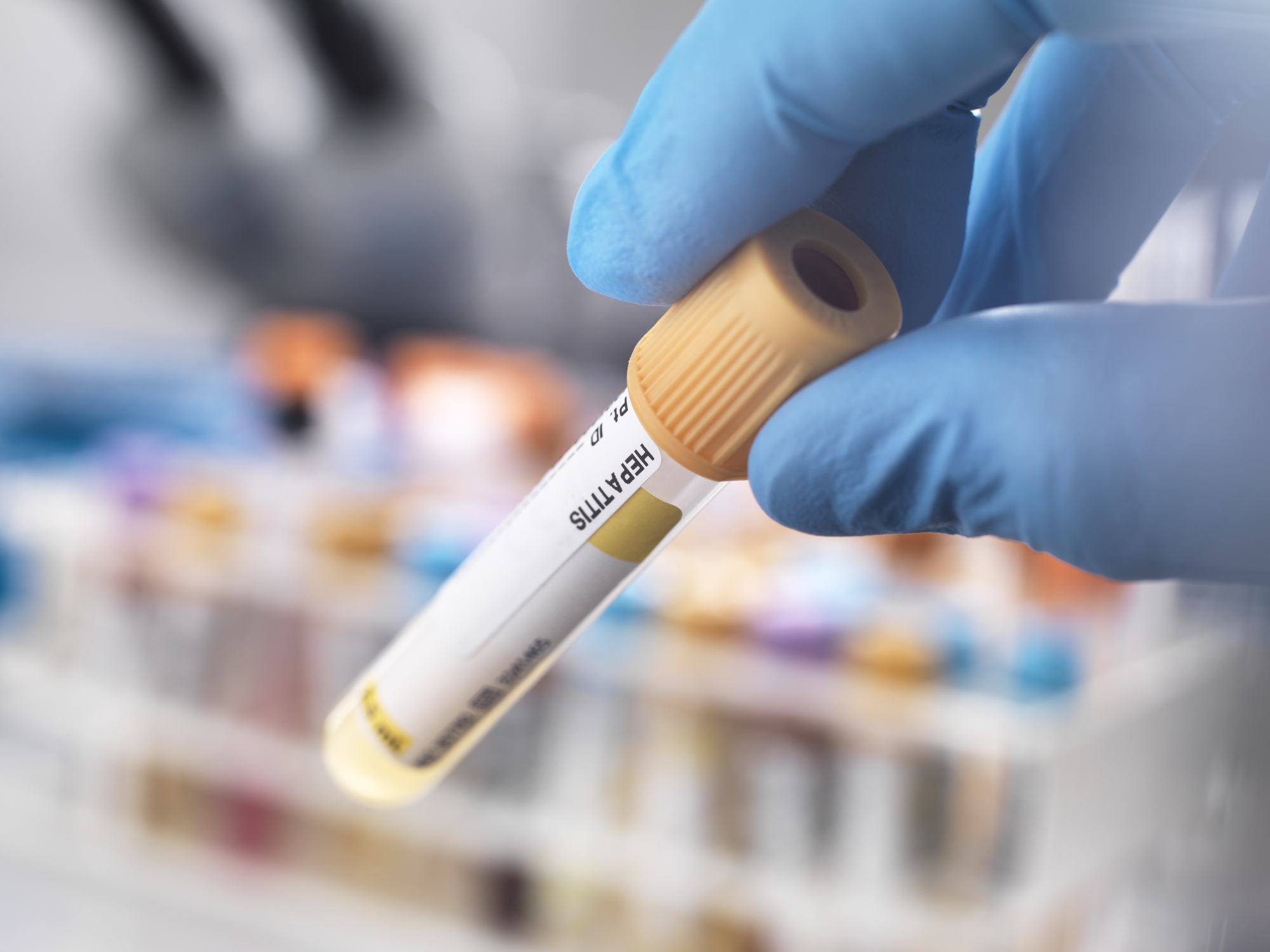
India is stepping up efforts to combat viral hepatitis through a public health strategy focused on prevention, early diagnosis and treatment. With the goal of eliminating hepatitis as a public health concern by 2030, the government is implementing the National Viral Hepatitis Control Programme (NVHCP), which provides free screening, diagnostic services and medicines to people affected by the disease. The programme also aims to strengthen awareness, prevention measures and access to healthcare services across the country.
What is hepatitis?
Hepatitis refers to inflammation of the liver, which can be caused by hepatitis viruses, excessive alcohol consumption, certain medicines, toxins or autoimmune conditions.
There are five major types of hepatitis viruses — Hepatitis A, B, C, D and E. Among these, Hepatitis B and Hepatitis C are the most serious public health concerns as they can become chronic infections and may lead to liver cirrhosis and liver cancer.
Recognising hepatitis as a major health challenge, the Government of India launched the National Viral Hepatitis Control Programme in 2018 to provide prevention, diagnosis and treatment services across the country.
How does hepatitis spread?
The transmission and prevention methods vary depending on the type of hepatitis virus:
Hepatitis A and E: These viruses mainly spread through contaminated food and water due to poor sanitation. Prevention includes safe drinking water, hygiene and sanitation practices. These infections are usually self-limiting and require supportive care such as hydration and proper nutrition.
Hepatitis B: It is commonly transmitted from an infected mother to a child during birth and through contact with infected blood, blood products and body fluids. Hepatitis B is vaccine-preventable, with vaccination provided under the Universal Immunisation Programme. The vaccine includes a birth dose within 24 hours of birth, followed by doses at 6, 10 and 14 weeks.
Hepatitis C: It spreads mainly through exposure to infected blood, unsafe injections, medical procedures and sharing of needles. There is currently no vaccine for Hepatitis C, but the infection can be cured in most patients within 12 to 24 weeks using Direct-Acting Antiviral (DAA) medicines.
Hepatitis D: This infection occurs only among people already infected with Hepatitis B. Preventing Hepatitis B through vaccination also protects against Hepatitis D.
Scale of hepatitis infection in India
According to India’s 2021 HIV Sentinel Surveillance, around 0.85% of samples tested positive for Hepatitis B, while 0.29% tested positive for Hepatitis C. This translates to approximately one in 118 people testing positive for Hepatitis B and one in 345 people testing positive for Hepatitis C among those tested.
Globally, an estimated 287 million people were living with chronic hepatitis B or C in 2024. The disease claimed 1.3 million lives that year, while nearly 2 million new infections continue to occur annually. Despite the availability of an effective vaccine, only 45% of newborns received the hepatitis B vaccine within 24 hours of birth in 2024, leaving millions of infants vulnerable to infection.
National Viral Hepatitis Control Programme: India’s strategy
The NVHCP focuses on prevention, awareness, diagnosis and treatment of viral hepatitis. The programme covers Hepatitis A, B, C, D and E and aims to ensure that people requiring care receive timely services.
Key measures under the programme include:
-Free testing and treatment facilities for Hepatitis B and Hepatitis C patients.
-Awareness campaigns to promote prevention and early diagnosis.
-Paperless patient tracking and monitoring through the NVHCP-MIS portal.
-Disease surveillance for Hepatitis A and E through the Integrated Disease Surveillance Programme.
Role of other health programmes
India’s hepatitis response is supported by several national health initiatives:
-Reproductive, Maternal, Newborn, Child, Adolescent Health and Nutrition programme: Ensures universal screening of pregnant women for Hepatitis B.
-Universal Immunisation Programme: Provides Hepatitis B birth doses to newborns and Hepatitis B immunoglobulin (HBIG) to babies born to infected mothers.
-National AIDS Control Programme: Screens high-risk groups for Hepatitis B and C and supports preventive vaccination measures.
-National Tuberculosis Elimination Programme: Utilises existing molecular testing facilities for hepatitis diagnosis.
-Blood Transfusion Services: Ensures linkage of Hepatitis B and C positive blood donors with healthcare services.
Making treatment accessible
Since the launch of the National Viral Hepatitis Control Programme in 2018, India has expanded access to free screening and treatment services for Hepatitis B and C. The availability of affordable generic medicines and integration with existing healthcare programmes has helped extend services from district hospitals to local health centres.
The programme also operates a toll-free helpline number, 1800-11-6666, providing information on hepatitis prevention, transmission, treatment and available healthcare facilities.
India’s approach combines vaccination, awareness, early diagnosis, affordable treatment and community participation. By strengthening healthcare systems and ensuring services reach people at the grassroots level, the country is working towards its 2030 target of reducing the burden of viral hepatitis and ensuring better liver health for all citizens.


