







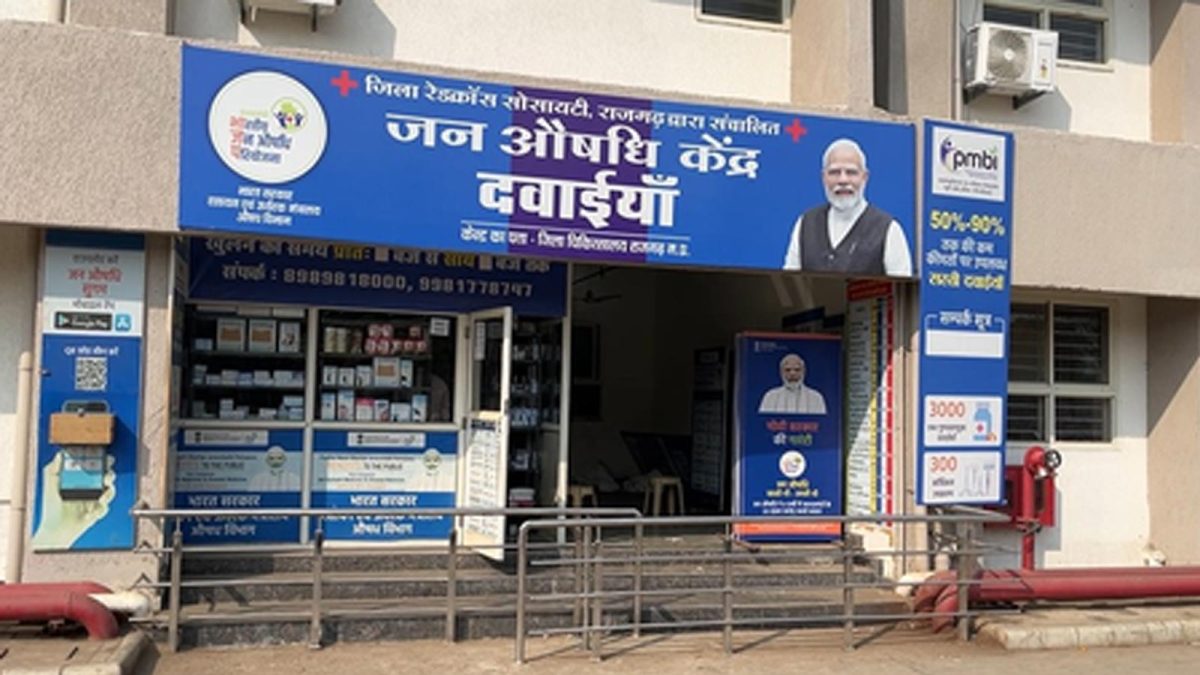
A total of 20,149 Pradhan Mantri Bhartiya Janaushadhi Kendras (JAKs) are operational across the country as of June 30, 2026, with the government aiming to expand the network to 25,000 centres by March 2027, Union Minister for Chemicals and Fertilizers J.P Nadda informed the Lok Sabha on Friday.
In a written reply, Nadda said Tamil Nadu accounts for 1,631 Jan Aushadhi Kendras, including 74 in the Kallakurichi Lok Sabha constituency, comprising 62 in Salem and 12 in Kallakurichi district.
The Pradhan Mantri Bhartiya Janaushadhi Pariyojana (PMBJP) currently offers a basket of 2,110 medicines and 315 surgical items, medical consumables and devices, covering major therapeutic categories such as cardiovascular, anti-cancer, anti-diabetic, anti-infective, anti-allergic and gastrointestinal medicines, along with nutraceuticals. The medicines are sold at prices around 50-80 per cent lower than branded alternatives.
The minister said the government has put in place a multi-layered quality assurance system to ensure medicines supplied through Jan Aushadhi Kendras meet prescribed standards. Procurement is restricted to WHO Good Manufacturing Practices (GMP)-certified manufacturers, while every batch undergoes quality testing before dispatch. Samples are tested at NABL-accredited laboratories compliant with Good Laboratory Practices (GLP).
According to the minister, the scheme utilised Rs 110 crore in 2023-24 against a revised estimate of Rs 110 crore. In 2024-25, expenditure stood at Rs 182.73 crore against a revised estimate of Rs 284.50 crore. The entire revised allocation of Rs 190 crore was utilised in 2025-26, while Rs 50 crore has been spent in 2026-27 up to June 30 against a revised estimate of Rs 200.50 crore.
An independent evaluation carried out during 2023-24 found that the expansion of the Jan Aushadhi network had significantly improved the availability and accessibility of affordable generic medicines, particularly in rural, remote and underserved areas.
To address supply gaps, the government has introduced incentives for Kendra owners to stock 200 commonly used medicines since September 2024. The PMBI has also established an IT-enabled supply chain comprising five warehouses and 42 distributors across the country, while the availability of 400 fast-moving products is monitored regularly to strengthen procurement and inventory management.
The minister said citizens can register complaints regarding the availability of medicines through the Centralised Public Grievance Redress and Monitoring System (CPGRAMS), by email or through the PMBJP helpline.
To improve awareness and acceptance of generic medicines, the government conducts campaigns through print, television, radio, social media, outdoor publicity and community engagement. Other initiatives include WhatsApp-based outreach, the annual Jan Aushadhi Week, awareness messages from doctors and public representatives, and health camps and workshops in rural areas.
State-wise data showed Uttar Pradesh has the highest number of Jan Aushadhi Kendras at 4,226, followed by Kerala (1,833), Karnataka (1,720), Tamil Nadu (1,631), Bihar (1,304) and West Bengal (1,014).


