







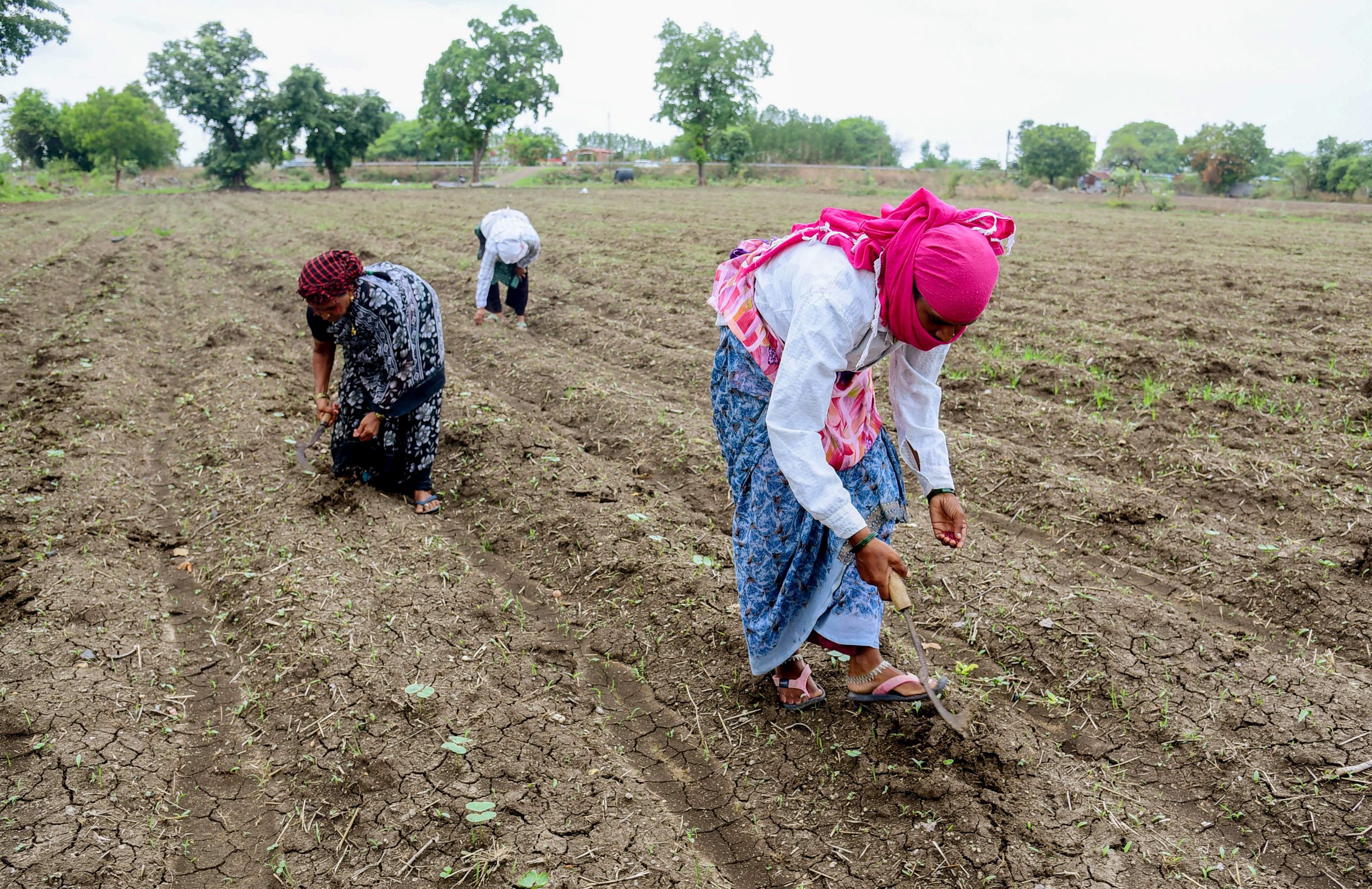
The Prime Minister’s Office on Tuesday held a high-level review meeting to assess the possible impact of El Nino on the ongoing kharif season and other sectors of the economy, directing ministries to closely monitor the evolving situation and work with state governments to minimise disruptions to agriculture, livelihoods and essential supplies.
The meeting, chaired by Principal Secretary to the Prime Minister P.K. Mishra at Seva Theerth, was attended by secretaries and senior officials from more than 15 ministries and departments, including Agriculture, Power, Cooperation, Drinking Water and Sanitation, Health and Family Welfare, Economic Affairs, Animal Husbandry, Rural Development, Earth Sciences, Agricultural Research and Education, the India Meteorological Department (IMD), Information and Broadcasting, Consumer Affairs, Financial Services, Fertilisers and the Central Water Commission.
Officials reviewed the preparedness measures undertaken across ministries in anticipation of a possible weak to moderate El Nino and assessed its potential impact on agriculture, water resources, food supplies, health, power generation and rural employment.
The IMD presented the latest assessment of the monsoon. Director General of Meteorology informed the meeting that the onset of the southwest monsoon had been delayed by around 10 days in Gujarat, Madhya Pradesh, Chhattisgarh and Maharashtra. However, rainfall received up to July 7 had reduced the all-India rainfall deficit to 12 per cent below normal, while the first week of July recorded above-normal rainfall.
The IMD said weak to moderate El Nino conditions are expected during July and August and the situation is being monitored continuously, particularly because July accounts for more than 30 per cent of the season’s monsoon rainfall. Officials also noted that an El Niño year does not necessarily result in below-normal seasonal rainfall.
The Agriculture Ministry informed the meeting that weekly meetings of the Crop Weather Watch Group are being held with states to monitor rainfall, reservoir storage, crop sowing, availability of agricultural inputs, market trends and pest and disease outbreaks to facilitate timely interventions.
The ministry said District Agriculture Contingency Plans have been updated for 262 vulnerable districts, while the Indian Council of Agricultural Research (ICAR) has issued Standard Operating Procedures on managing El Niño risks in Indian agriculture for Krishi Vigyan Kendras. It also highlighted that foodgrain production has remained stable in recent years despite deficient rainfall due to climate-resilient crop varieties and improved technologies.
The meeting reviewed the ongoing campaigns to expand coverage under the Pradhan Mantri Fasal Bima Yojana and Kisan Credit Card scheme in vulnerable states. The Departments of Agriculture, Financial Services and Cooperation were directed to ensure maximum coverage within a defined timeline.
The Department of Animal Husbandry and Dairying was asked to assess the availability of dry fodder, green fodder and cattle feed at both macro and micro levels to prepare for any adverse situation.
The Department of Drinking Water and Sanitation informed the meeting that the overall situation remained stable but was asked to strengthen district-level planning and monitoring, particularly in vulnerable regions.
The Department of Water Resources presented the status of groundwater and reservoir storage across the country. While the current situation was assessed as stable, the department was directed to maintain continuous monitoring throughout the monsoon season.
The Health and Family Welfare Ministry informed the meeting that advisories on heatwaves had already been issued and monitoring mechanisms were in place for heat stress, high humidity and dengue outbreaks. The ministry was asked to ensure that advisories and alerts reach field-level authorities effectively.
The Department of Consumer Affairs reviewed retail prices and the availability of buffer stocks of rice, wheat and pulses, while the Department of Fertilisers reported adequate fertiliser availability and a comfortable opening balance for the upcoming rabi season. Both departments were instructed to maintain constant monitoring of the availability of essential commodities and fertilisers at both national and local levels.
The Rural Development Ministry informed the meeting that works under the Viksit Bharat–Guarantee for Rozgar and Ajeevika Mission had commenced from July 1, generating nearly one crore person-days of employment so far.
The Department of Agricultural Research and Education briefed the meeting on the spread of climate-resilient seed varieties, while the Power Ministry reviewed the status of electricity generation and availability.
Concluding the meeting, Mishra directed all ministries to continuously monitor the overall situation and assess the impact of delayed or deficient monsoon on vulnerable districts in coordination with state governments so that timely remedial measures can be taken.
He also instructed departments to ensure adequate fodder availability through dedicated fodder development plans and regular monitoring with states. Ensuring uninterrupted drinking water supply in vulnerable districts should remain a top priority, he said.
The Principal Secretary further directed officials to keep reservoir levels under constant review, ensure optimal utilisation of stored water and promote judicious use of available water resources.
Emphasising coordinated action, Mishra said all ministries must work closely with one another and in partnership with state governments to ensure that any emerging challenges arising from El Niño are addressed effectively and without delay.


