







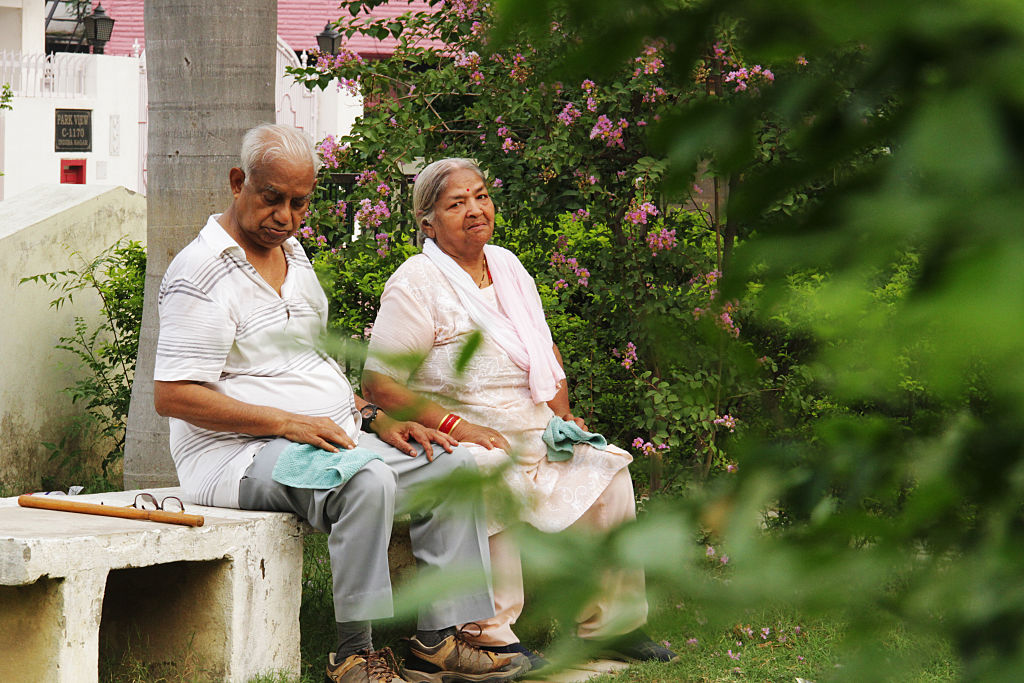
Older adults could face serious health risks from extreme heat at lower temperatures than previously estimated, according to a new study published in The Lancet Planetary Health.
The study projected that if global warming reaches three degrees Celsius above pre-industrial levels, India, China, Pakistan and Bangladesh could together account for 1.48 billion people exposed to dangerous heat, representing 72.6 per cent of the estimated 2.03 billion exposed population worldwide.
South Asia and the Persian Gulf regions are projected to be among the most affected areas. At three degrees Celsius of warming or above, older adults in these regions could experience dangerous heat conditions during both day and night for around three consecutive months, researchers said.
Countries facing a combination of high heat exposure, high poverty levels and limited access to cooling are expected to face the greatest challenges. These include India, Pakistan, Bangladesh, Myanmar and Niger.
Older adults are more vulnerable to extreme heat as their ability to regulate body temperature declines with age. They tend to sweat less, their blood vessels respond more slowly and their hearts work harder under conditions of high temperature and humidity.
The researchers said earlier studies largely relied on heat tolerance measurements from healthy young adults to estimate the temperatures and humidity levels that could become dangerous for the human body.
As a result, previous research may have underestimated the number of older adults at risk from extreme heat by at least two times, they said.
For the study, researchers used data from previously published laboratory experiments that measured heat tolerance across three age groups — younger adults aged 15-39, middle-aged adults aged 40-59 and older adults aged 60 years and above.
They then mapped areas where heat could become dangerous for each age group and estimated the number of people likely to be affected under different global warming scenarios, ranging from one to four degrees Celsius above pre-industrial levels.
The study found that accounting for age-related differences in heat tolerance substantially increased both the scale and geographical spread of projected heat risks compared with earlier estimates.
“Older adults face far more frequent and widespread uncompensable heat, having greater heat risk under 1.5 degrees Celsius of global warming than young adults do under 4 degrees Celsius,” the authors wrote.
The researchers said intolerable heat could affect more people, cover larger regions and persist for longer periods than previously recognised.
The findings highlight the heightened vulnerability of older populations to rising temperatures and the need to account for age-related differences when assessing the health impacts of extreme heat.
-PTI


