







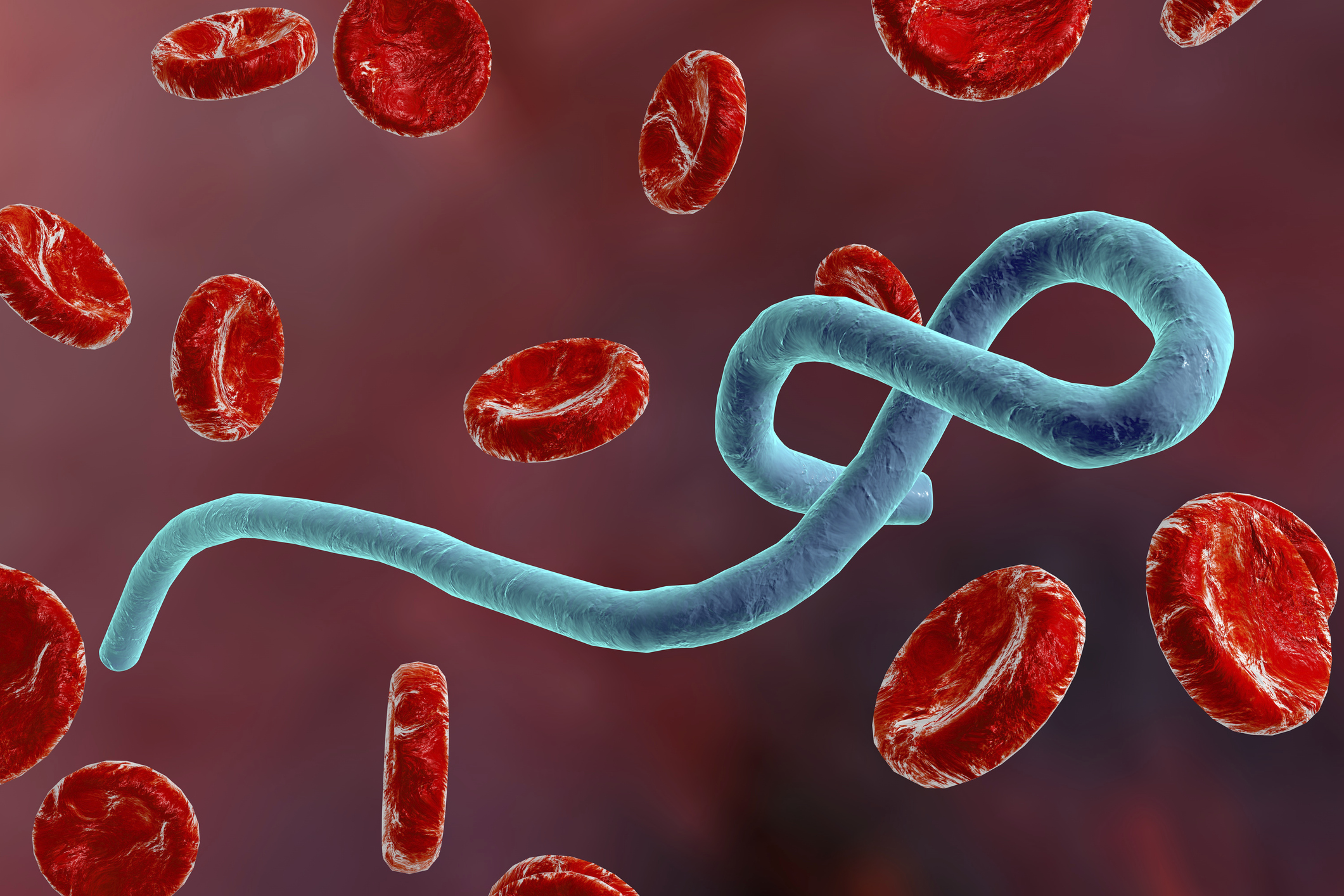
The Ebola outbreak in the Democratic Republic of the Congo (DRC) is becoming “increasingly heterogeneous”, with transmission trends diverging across affected provinces and health zones, the World Health Organization (WHO) has said.
In its latest external situation report, the WHO said transmission was declining in some areas while intensifying and continuing to spread geographically in others.
“The trends reinforce an increasingly heterogeneous epidemic, with declining transmission in some areas occurring alongside intensification and continued geographic spread elsewhere,” the report, published on Tuesday (local time), said.
The WHO also highlighted a sharp rise in the proportion of deaths occurring within communities, rather than at treatment facilities.
During the week from August 31 to September 6, community deaths accounted for 75 per cent of confirmed deaths, the highest weekly proportion recorded during the reporting period. This was up from 56.6 per cent two weeks earlier, Xinhua news agency reported.
The WHO said the trend was concerning as the increase in community deaths coincided with a continued decline in deaths at treatment facilities, indicating that the earlier reduction in overall mortality had not been sustained.
According to the report, the high level of community mortality could reflect several barriers to accessing timely care, including delays in detecting and reporting cases, delayed referral or transfer to treatment facilities, limited recognition of symptoms or their severity, geographical and transportation challenges, and care-seeking outside formal health facilities.
Community acceptance and trust could also be contributing factors, the WHO said.
On vaccination, the Ervebo vaccine, which is licensed against Zaire ebolavirus, is currently being evaluated for potential cross-protection against the Bundibugyo strain responsible for the current outbreak through a field effectiveness study.
Under a protocol-governed compassionate-use programme, vaccination of frontline healthcare workers and other at-risk groups began on August 27.
As of September 6, a total of 2,007 healthcare and frontline workers had received the vaccine, according to the WHO report.
The outbreak has so far recorded 6,686 confirmed cases and 3,226 confirmed deaths. The case fatality ratio stands at 48.3 per cent among confirmed and probable cases, the report said.
Healthcare worker infections remain a major concern, with 167 confirmed infections, including 47 deaths.
The WHO has assessed the risk of further spread as “very high” within the DRC and “high” for neighbouring countries.
The second International Health Regulations (IHR) Emergency Committee meeting, convened on August 18, concluded that “the outbreak remains far from controlled” and that it continues to constitute a Public Health Emergency of International Concern.
The current outbreak, declared in May, has become the largest and deadliest Ebola outbreak recorded in the DRC and the second-largest globally, after the 2014-2016 Ebola epidemic in West Africa.
–IANS


