







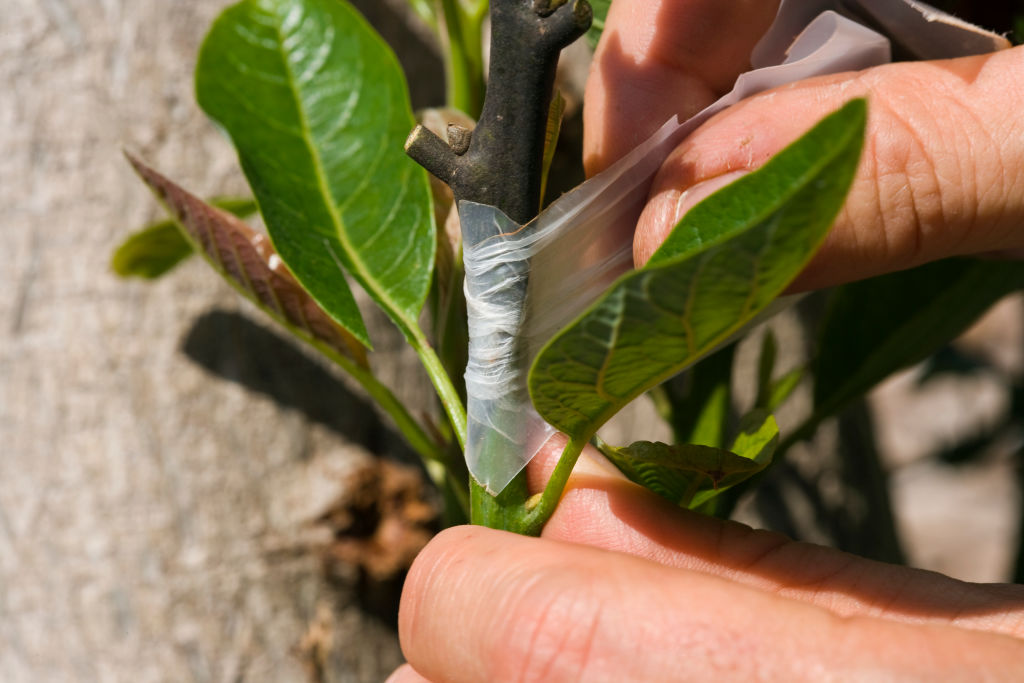
A five-day hands-on training programme on nursery management and grafting techniques in vegetable crops began at the ICAR-Indian Institute of Vegetable Research (ICAR-IIVR) in Varanasi, with 30 farmers from 10 states participating in the programme.
Programme coordinator Dr Anant Bahadur, in his welcome address on Monday, highlighted the importance, benefits and utility of grafting techniques in vegetable production.
The training aims to provide farmers with theoretical and practical knowledge of modern and scientific nursery management and grafting techniques, enabling them to enhance the productivity, quality and profitability of vegetable production.
He said the use of grafted plants can help reduce the impact of soil-borne diseases while promoting better plant growth and higher yields, even under adverse conditions.
On the occasion, Agricultural Extension Scientist Dr Neeraj Singh stressed the need to make grafting techniques more accessible to farmers in the field and encourage wider adoption among the farming community.
He said effective dissemination of scientific techniques is possible only when entrepreneurs adopt them, experience their benefits firsthand and subsequently encourage other farmers to embrace the practices.
Institute Director Dr. Rajesh Kumar, addressing the agricultural entrepreneurs, provided detailed information on the why, how, and benefits of grafting techniques. He explained that grafting techniques help increase plant tolerance to soil-borne diseases, improve plant establishment under adverse conditions, and achieve high-quality and high yields.
He also provided farmers with important information regarding the selection of grafted plants, proper planting, plant care, and scientific management.
Institute Director Dr Rajesh Kumar, while addressing the agricultural entrepreneurs, explained the rationale, methodology and benefits of grafting techniques. He said grafting can enhance plants’ tolerance to soil-borne diseases, improve plant establishment under adverse conditions and help achieve higher-quality and higher yields.
He also provided farmers with detailed guidance on selecting grafted plants, proper planting methods, plant care and scientific crop management.
During the five-day training programme, the trainers provided practical and theoretical knowledge on the production of healthy and quality vegetable seedlings, seed selection and treatment, scientific nursery preparation, sowing, irrigation and nutrient management, disease and pest management, and overall plant care.
The programme also included live demonstrations and hands-on practice in grafting techniques for major vegetable crops, including eggplant and tomato.
Farmers are being trained in the proper selection of rootstock and scion, scientific grafting methods, graft-union preparation, post-grafting plant care, and field planting and management. Scientists explained that grafted plants are more tolerant to soil-borne diseases and adverse growing conditions, while the technique can improve crop productivity and quality and enhance farmers’ profitability.
-ANI


