






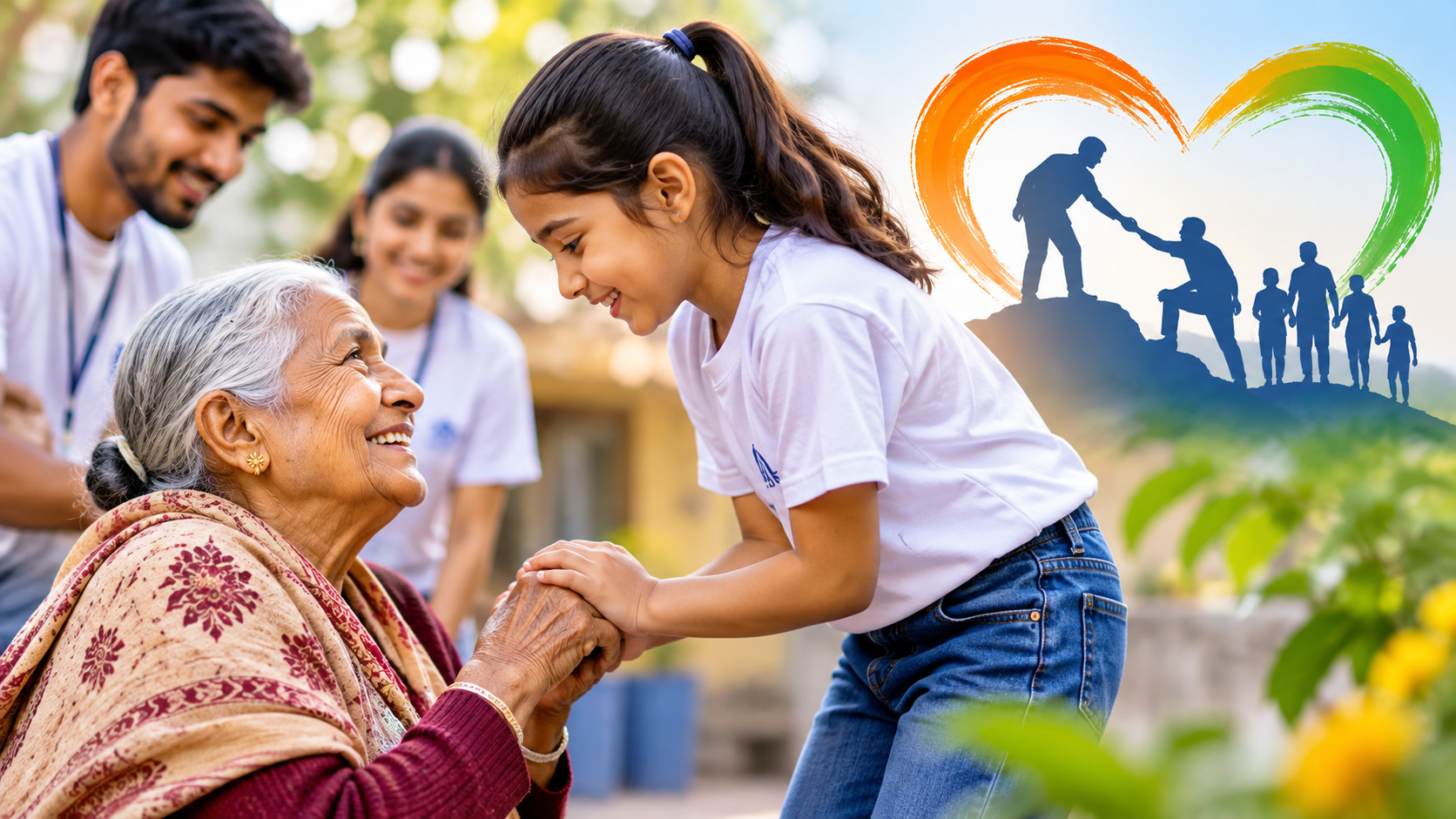
In an age when communication has become instantaneous but human connections increasingly fragile, kindness is one of the most powerful yet underrated virtues. A few reassuring words can restore confidence, a compassionate gesture can ease someone’s suffering, and a timely act of support can change the course of a life. Words may touch hearts, but actions have the power to transform lives.
Modern society often measures success through wealth, professional accomplishments, social standing and material possessions. Yet, there is another, more humane yardstick: how many lives we have touched, how many people we have encouraged and how much difference we have made to those around us.
Language is much more than a medium of communication; it is an instrument of human connection. The right words, spoken at the right moment, can build bridges across differences, heal emotional wounds and restore relationships. A teacher’s encouragement can transform an underconfident student, a parent’s reassurance can give a child courage, and a leader’s empathetic words can inspire collective action.
However, eloquence without empathy is little more than an exercise in vocabulary. What gives words their real strength is sincerity. We must learn not only to speak well but also to speak kindly. The world needs fewer aggressive voices and more empathetic communicators who understand that words carry responsibility.
Kindness is often mistaken for weakness. In reality, it requires considerable strength to remain compassionate in an insensitive environment, to listen patiently when others are impatient and to help without expecting anything in return. Being kind does not mean compromising principles or tolerating injustice. It means standing for what is right without sacrificing one’s humanity. One can disagree without being disrespectful, correct without humiliating and exercise authority without arrogance.
Yet, kindness cannot remain confined to pleasant expressions. It must find its way into everyday conduct. Helping an elderly person cross a busy road, supporting a disadvantaged child’s education, listening to someone in distress or standing beside a neighbour during adversity may appear to be small gestures. But for the recipient, they can make an enormous difference. A small act may not change the entire world, but it can change someone’s world.
The journey towards a compassionate society begins at home. Respecting parents, appreciating children, treating domestic workers with dignity and listening patiently to family members are everyday expressions of humanity. These values must then extend to neighbourhoods, educational institutions, workplaces and public spaces.
India’s development must be measured not only by its economic growth, infrastructure and technological achievements but also by the dignity it affords its citizens and the compassion it extends to vulnerable sections. The Constitution enshrines justice, liberty, equality and fraternity as foundational ideals. These must not remain confined to constitutional language; they should be reflected in our everyday behaviour. A developed India must also be a compassionate India.
Education has a particularly important role in nurturing this culture. It must prepare individuals not just for employment but also for responsible citizenship. At British Lingua, where I have been engaged in empowering young people through language, communication and employability skills, I believe that effective communication goes beyond fluency. It involves attentive listening, respect for differences, thoughtful expression and sensitivity towards others. Education that produces employable individuals but fails to cultivate empathy remains incomplete.
Kindness must also become a collective social responsibility. Educational institutions can encourage students to undertake community service; businesses can foster compassionate workplaces; neighbourhood associations can support senior citizens; and young people can volunteer to teach underprivileged children. Even social media, often misused to spread hostility, can become a platform for appreciation, encouragement and positive change.
On World Kindness Day, the challenge before us is to move beyond symbolic greetings and ceremonial observances. We must make kindness a daily practice. Before speaking, we should consider whether our words will heal or hurt. Before judging someone, we should try to understand their circumstances. Before expecting change from society, we should examine what we can contribute ourselves.
Ultimately, the true measure of humanity lies not in what we accumulate but in what we contribute. We may not be able to eliminate every hardship, but we can make someone’s burden lighter. We may not be able to transform the entire world overnight, but we can begin with the people and communities around us.
Let our words become a source of comfort, our conduct an expression of compassion and our actions an instrument of positive change. After all, words that touch hearts may be remembered for a lifetime, but actions that change lives create a legacy that outlives us.
Dr Birbal Jha is a noted author, social entrepreneur and cultural thinker.


