






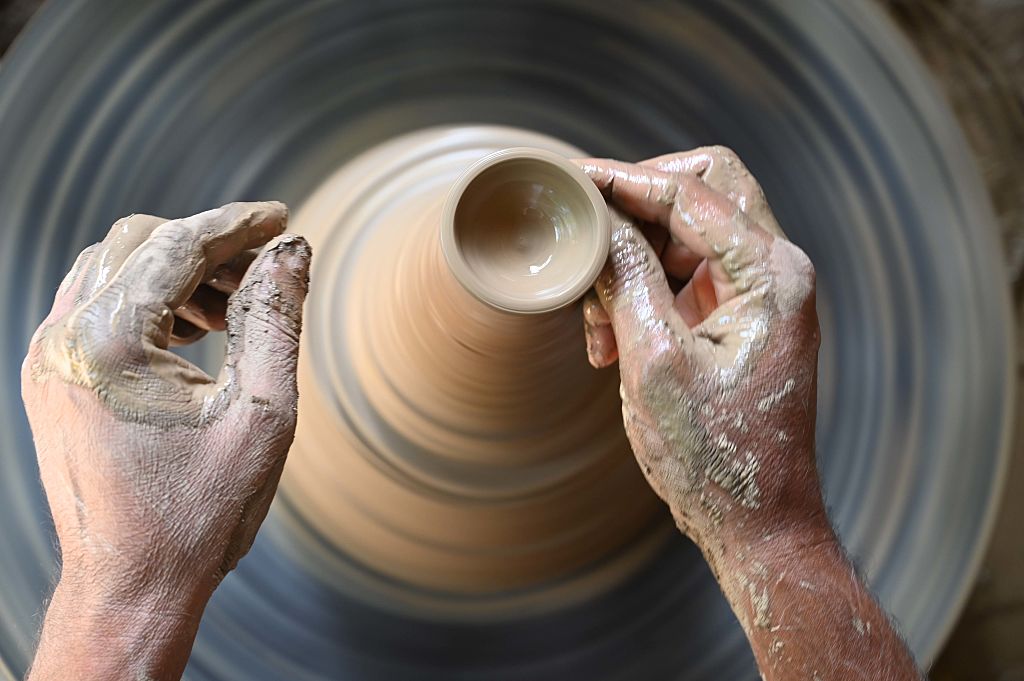
From the potter’s wheel to India’s festive markets, the story of traditional craftsmanship, local livelihoods and the hands that keep Diwali glowing.
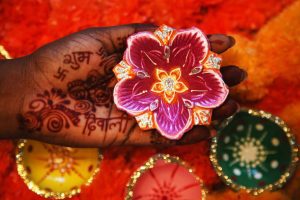
The little lamp with a big story
Gold may glitter, silver may shine and markets may brim with festive decorations, but one Diwali essential has held its place for generations: the humble earthen diya.
Small and simple, these lamps find their way to doorsteps, balconies, temples and courtyards across India every festive season. Yet, long before a diya illuminates a home, it begins its journey with a potter, a lump of clay and a spinning wheel.
Shaped by hand, dried, fired and sometimes painted, each lamp reflects a craft sustained through generations. Behind this familiar symbol of Diwali lies an ecosystem of traditional skills and small-scale producers.
As households prepare for Dhanteras, the occasion offers an opportunity to look beyond festive shopping and recognise the people behind these products.
Dhanteras: Beyond gold and silver
Marking the beginning of the five-day Diwali festivities, Dhanteras is traditionally associated with prosperity and auspicious purchases. Gold, silver and household utensils remain popular choices, but the festive marketplace also creates demand for pottery, textiles, flowers, decorations and other handmade products.
A government press release on Deepavali highlights the festival’s connection with traditional occupations such as pottery, lantern-making, floristry, sweet-making, jewellery and textile crafts.
Giving traditional artisans a modern push
Recognising the need to strengthen traditional occupations, the Government launched the PM Vishwakarma Scheme on September 17, 2023. It covers 18 traditional trades, including pottery, and provides artisans with skill training, toolkit incentives, collateral-free credit, digital transaction incentives and marketing support.
According to the Ministry of MSME, as of September 15, 2026, more than 24.37 lakh artisans had received basic skill training and over 18.16 lakh had received toolkits. The scheme’s registration target of 30 lakh beneficiaries had also been achieved.
Complementing these efforts, the Khadi and Village Industries Commission’s Gramodyog Vikas Yojana supports pottery artisans through technical training and modern equipment to improve production and reduce costs.
Taking village crafts to urban markets
Access to customers remains crucial for small producers. Several government-backed platforms are helping bridge this gap.
The SARAS Aajeevika Mela at Gurugram’s Leisure Valley Park, held from October 22 to November 6, 2026, provides rural Self-Help Groups and artisans with an opportunity to showcase their products to urban buyers.
In New Delhi, the Khadi Diwali Fest 2026 at Connaught Place, organised by KVIC from October 31, promotes Khadi and village industry products through festive displays and special discounts.
Meanwhile, Shilp Samagam Mela 2026 at Dilli Haat, running from November 1 to 15, brings traditional crafts, festive products and cultural heritage together through seven thematic zones.
These initiatives are expanding the reach of local producers and introducing traditional products to new consumers.
This Diwali, shop for a story
Today’s earthen lamps come in different colours, patterns and designs, reflecting how traditional crafts are adapting to contemporary tastes. From hand-painted diyas to decorative terracotta pieces, artisans are finding new ways to attract buyers.
This Dhanteras, adding a few locally made products to the shopping list can be a meaningful way to support India’s traditional industries.
A diya may occupy only a small corner of a home, but its journey connects craftsmanship, enterprise and cultural heritage.
This Diwali, the brightest purchase may not be the most expensive one. It may simply be a handmade lamp that helps keep an age-old Indian craft alive.
-Ranu Jain


