







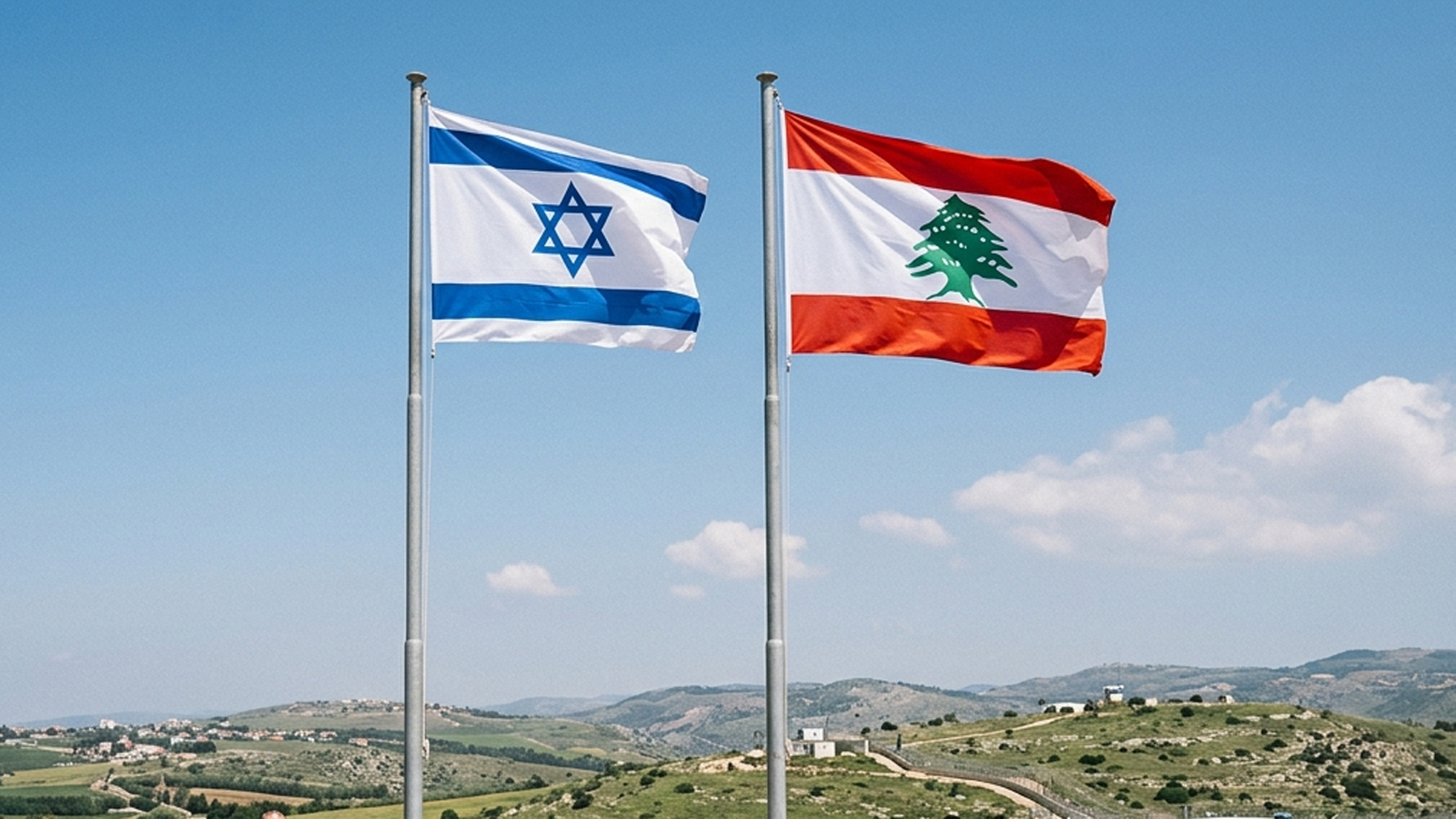
The United States has announced a three week extension of the ceasefire between Israel and Lebanon, following high level talks in Washington aimed at preventing the fragile truce from collapsing. President Donald Trump said there is a “very good chance for peace,” though no timeline was offered for a broader agreement. United Nations officials have cautioned that the situation remains unstable, noting the ceasefire is holding but “not one hundred percent” secure.
In Iran, authorities reported air defence systems were activated over Tehran earlier today following unconfirmed explosions. State media described the response as targeting hostile objects, though no further details have been verified. The developments underscore continued volatility despite diplomatic efforts to stabilise the region.
The Strait of Hormuz remains the most sensitive flashpoint, with Iran’s revolutionary guard claiming it escorted a cargo vessel after alleging an attempted interception by the US navy. Tehran has warned the waterway will remain restricted as long as US naval blockade continues. Shipping through the strait, a critical route for nearly a fifth of global oil supply, has slowed sharply. Rising insurance costs and security risks have forced some vessels to reroute, switch off tracking systems, or conduct ship to ship transfers at sea. Meanwhile, in a rare sign of progress, the Rabia Yarubiyah crossing between Iraq and Syria has resumed full time operations, aimed at reviving trade and easing economic pressure in border regions.
The Rabia-Yarubiyah crossing serves as a vital geopolitical and humanitarian artery on the border between Syria and Iraq. Located in the Al-Hasakah Governorate of northeastern Syria and the Nineveh Governorate of Iraq, it connects the towns of Al-Ya’rubiyah and Rabia. For decades, this gateway has been more than just a transit point; it has been a flashpoint for regional stability. The crossing was originally shut down in 2013–2014 following the escalation of the Syrian Civil War and the subsequent takeover of the region by ISIS. While it saw brief, limited use for UN-authorized humanitarian aid in the following years, it remained closed to regular commercial and passenger traffic for over a decade. Its full reopening this week marks a significant shift in regional logistics.


