







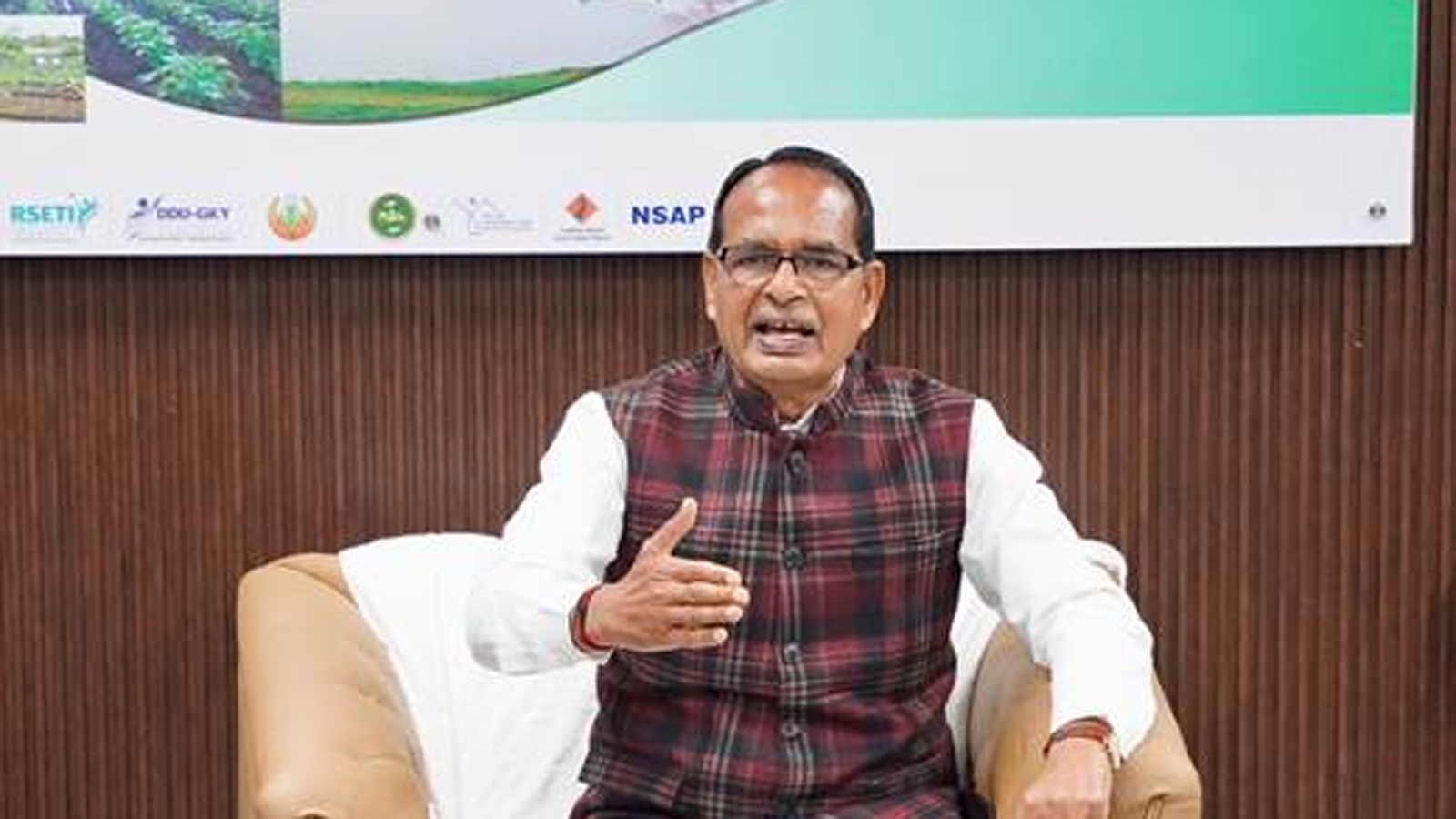
Union Agriculture Minister Shivraj Singh Chouhan on Tuesday said Eastern India has the potential to emerge as the growth engine of the country’s agricultural development, stressing the need for diversified, sustainable and market-oriented farming to improve farmers’ incomes.
Chouhan was addressing the Eastern Regional Agriculture Conference at the Mayfair Convention Centre in Bhubaneswar along with Odisha Chief Minister Mohan Charan Majhi. Representatives from Odisha, Bihar, Jharkhand, Chhattisgarh and West Bengal participated in the conference to discuss a shared roadmap for agricultural growth in the eastern region.
The conference focused on issues including pulses and oilseeds production, integrated farming, natural farming, horticulture, agricultural credit, marketing reforms, farmer registry and action against fake agricultural inputs.
Addressing the gathering, Chouhan said the conference was aimed at shaping a new direction for agriculture and farmers’ livelihoods in Eastern India. He said the region’s fertile land, abundant water resources, diverse climate and hardworking farmers provide strong foundations for rapid agricultural growth.
Calling farmers not only “Annadatas” but also “Jeevandatas”, the Union Minister said agriculture remains central to India’s journey towards becoming a developed and self-reliant nation under the leadership of Prime Minister Narendra Modi.
He said increasing production, reducing cultivation costs, ensuring remunerative prices and diversifying agriculture are among the government’s top priorities. Chouhan stressed that farming should move beyond paddy and wheat cultivation, with greater focus on pulses, oilseeds, fruits and vegetables.
Highlighting the issue of small landholdings in eastern states, the Union Minister said integrated farming models combining crop cultivation with horticulture, fisheries, animal husbandry, beekeeping and agro-forestry could significantly improve farmers’ incomes. He urged agricultural institutions and state governments to promote such models at the grassroots level.
Chouhan also emphasized sustainable farming and soil health protection. Warning against excessive use of fertilizers, he called for balanced fertilizer application based on soil testing and scientific methods.
He announced that a nationwide “Khet Bachao Abhiyan” would be launched from June 1 to promote balanced fertilizer use, soil conservation, modern technology adoption and awareness about government schemes.
Describing fake fertilizers, counterfeit pesticides and substandard seeds as “serious crimes against farmers”, Chouhan said strict action and stronger laws are needed to curb such practices and protect farmers from financial losses.
The Union Minister further stressed the need to strengthen procurement systems under PM-AASHA and agencies such as National Agricultural Cooperative Marketing Federation of India and National Cooperative Consumers Federation of India to encourage pulses and oilseeds cultivation.
He also highlighted the importance of Farmer ID for ensuring faster and transparent access to loans, fertilizers and government scheme benefits. According to him, scientific research and modern agricultural technologies should be directly connected to farmers through institutions such as Indian Council of Agricultural Research and Krishi Vigyan Kendras.
Speaking at the conference, Chief Minister Mohan Charan Majhi said the event provided an opportunity for eastern states to develop a common strategy for the future of agriculture.
He said Odisha is working extensively on pulses production, edible oil self-reliance, crop diversification and climate-resilient farming. The Chief Minister also highlighted initiatives related to paddy procurement, crop insurance, farm mechanization, FPO strengthening, cold storage infrastructure and agri-industries.
Describing millets as a “super food”, Majhi said such crops require less water and fewer fertilizers, making them especially suitable for tribal and rain-fed regions. He also stressed the need to promote organic farming, biodiversity conservation and traditional crop varieties.


