







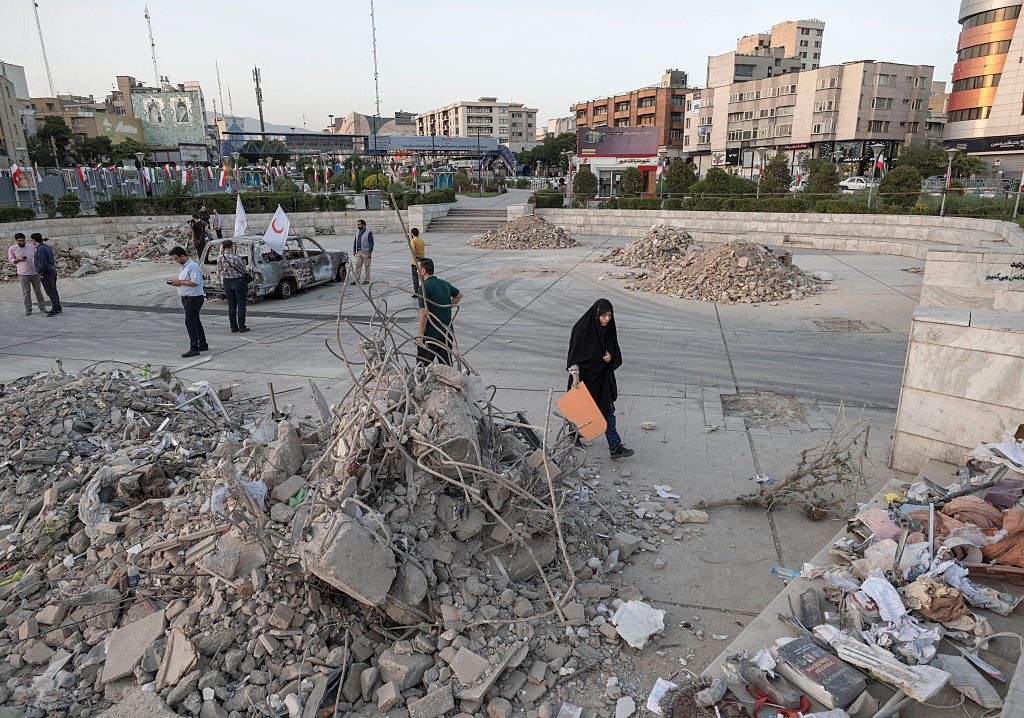
Iran and the United States have traded fresh accusations of aggression, deepening fears that a fragile ceasefire brokered in April is on the verge of total collapse. American Central Command confirmed it conducted what it described as self-defence strikes on missile launch sites and vessels it said were attempting to mine the Strait of Hormuz. Tehran’s foreign ministry hit back hard, calling the United States military a “terrorist” force and warning that no act of aggression would go unanswered. Iranian state media reported the Revolutionary Guards shot down a US MQ-9 Reaper drone and also fired on an RQ-4 surveillance aircraft and an F-35 that it claimed entered Iranian airspace ,assertions Washington has not publicly confirmed.
The latest violence comes at a delicate moment amidst mediation efforts between Washington and Tehran, and top Iranian negotiators travelled to Qatar overnight to continue talks on a potential framework agreement. While there are reports of progress , including a possible sixty-day pause in fighting and the reopening of the Strait of Hormuz , the deal remains extremely fragile and could unravel over a single contested word in any final text. Iran’s armed forces spokesman issued a stark warning, saying that if the region re-enters full-scale war, Tehran’s response would extend beyond regional borders and be, in his words, “heavier and stronger.”
Across West Asia, tensions continue to escalate on multiple fronts. In Lebanon, Israeli forces have intensified strikes in the Bekaa Valley, with at least eleven people reported killed, despite a forty-five day ceasefire extension still technically being in effect. Israeli Prime Minister Benjamin Netanyahu has vowed to deliver what he described as “strong blows” against Hezbollah, as Israeli ground troops clashed with the group near a strategic river in southern Lebanon. Hezbollah has responded with retaliatory attacks into northern Israel.
In Gaza, separate Israeli air strikes killed seven Palestinians as military operations continued across the territory. Meanwhile, the negotiations in Qatar indicate the broader framework of a possible US-Iran memorandum of understanding is slowly beginning to take shape, although major differences remain, particularly over Iran’s nuclear programme. Reports suggest that issue may be pushed to a later phase of negotiations.The coming days could determine whether the latest exchange of strikes and accusations completely derails the talks, or whether both sides pull back from further escalation. What remains clear is that the ceasefire announced on April eighth this year is now facing its most serious test so far.


