







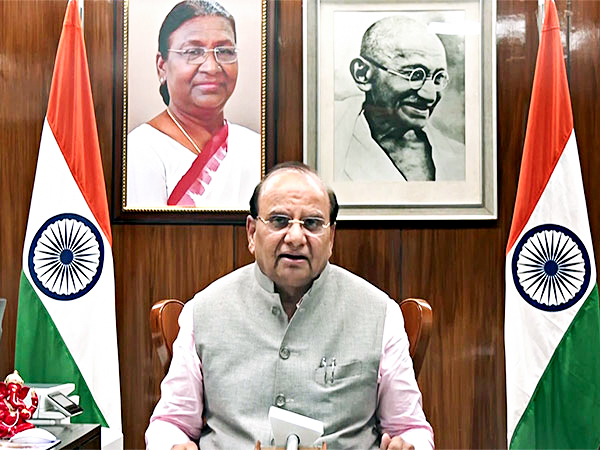
Ladakh Lt Governor V. K. Saxena on Wednesday chaired a high-level review meeting to assess the growing concern of drug abuse in Ladakh and discuss measures to curb the menace in the Union Territory.
The meeting was attended by senior government officials, medical experts, representatives of civil society groups, religious organisations and NGOs.
In a post on X, Saxena said, “Amid growing concerns around drug abuse in Ladakh, today chaired a comprehensive review meeting with senior government officials, medical experts, civil society, religious organisations and NGOs, to assess the situation and remedial measures to curb this menace.”
The Lieutenant Governor said several proactive measures had been directed, including a crackdown on drug cartels, random vehicle checks — including local taxis — and enhanced surveillance at key entry points such as Zoji La and Sarchu.
He also called for increased monitoring around schools, colleges, tourist destinations and other identified hotspots.
Saxena further announced plans to establish “112” as an integrated helpline for affected individuals and families, supported by a dedicated team to coordinate transport, counselling and rehabilitation services.
He said an MoU would be signed with Mahabodhi Karuna Charitable Hospital to provide meditation and retreat-based healing programmes under psychiatric supervision as part of a holistic rehabilitation framework.
“The drug menace is a grave threat to youth and society. Besides action against drug traffickers, focus must be given on counselling, treatment and rehabilitation of victims with a human approach. We must act collectively to build a drug-free Ladakh,” Saxena said.
Although Ladakh has historically remained largely unaffected by widespread drug abuse, authorities said incidents have been reported in some parts of the Union Territory in recent years.
Police have intensified surveillance to prevent the entry of psychotropic substances into the region.
Officials said the administration’s intervention aims to preserve Ladakh’s social fabric and maintain its reputation as a peaceful destination known for its natural landscape and spiritual culture.
(With IANS inputs)


