







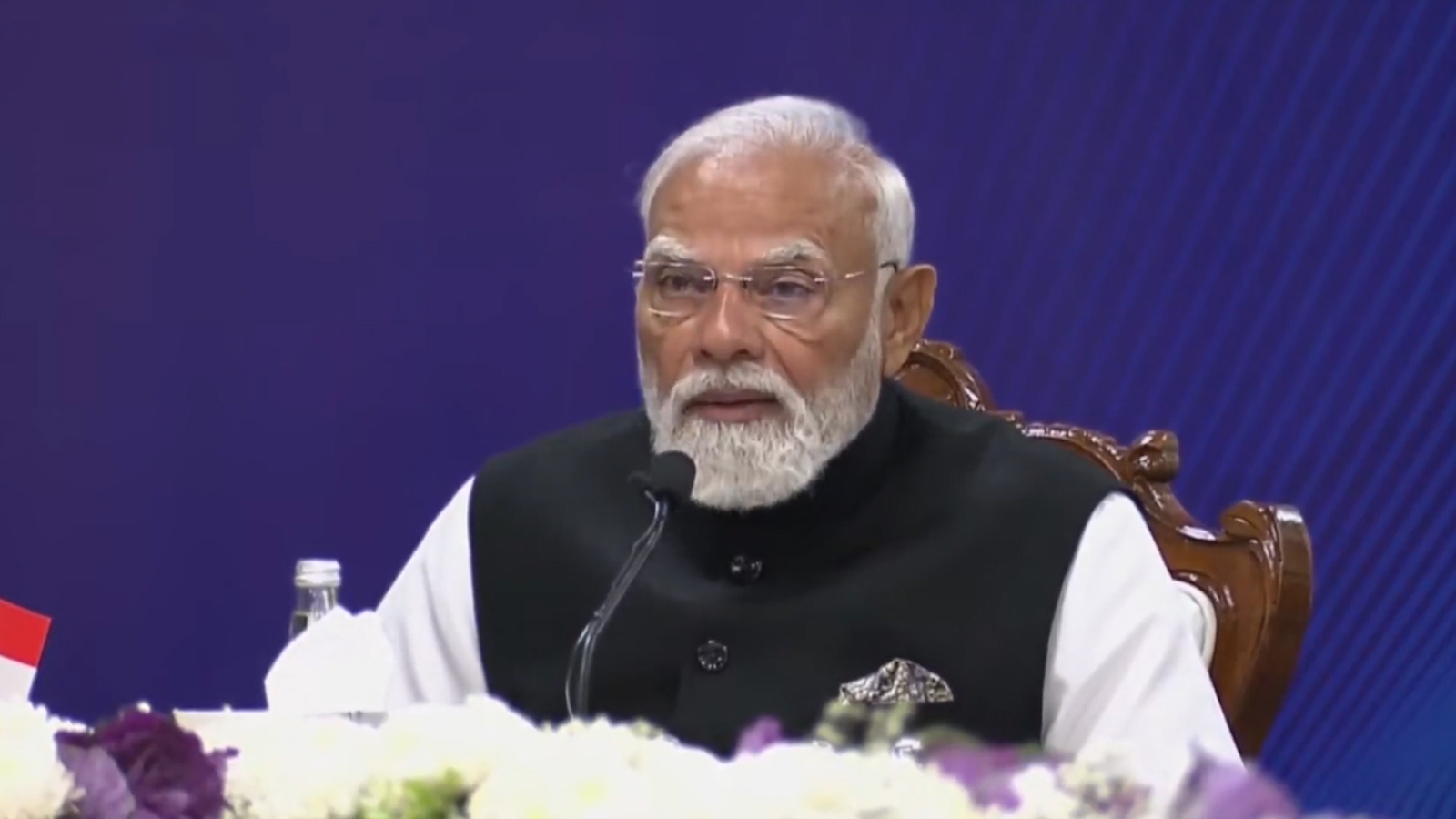
India and the Netherlands have finalised 17 wide-ranging outcomes during Prime Minister Narendra Modi’s visit to the European nation, marking a major step forward in bilateral cooperation across strategic, economic, technological and cultural sectors.
Highlighting the outcomes of the visit, PM Modi said the agreements and initiatives would provide fresh momentum to the growing partnership between the two countries.
“These are substantive and important outcomes that will add unparalleled momentum to the friendship between India and the Netherlands. These outcomes cover many sectors and will enhance growth and prosperity for our nations,” the Prime Minister said in a post on X.
Among the major developments was the adoption of the India-Netherlands Strategic Partnership Roadmap for 2026-2030, aimed at deepening cooperation in trade, innovation, defence, renewable energy, mobility and emerging technologies.
The visit also saw the restitution of 11th-century Chola copper plates to India, reflecting growing cultural cooperation between the two countries.
India and the Netherlands signed a Memorandum of Understanding on mobility and migration and also concluded an agreement between Tata Electronics and ASML to support the semiconductor fabrication facility being developed in Dholera, Gujarat.
The two countries also agreed to strengthen cooperation in critical minerals through an MoU between India’s Ministry of Mines and the Dutch Ministry of Foreign Affairs.
In the water sector, both sides signed a Letter of Intent on technical cooperation related to the Kalpasar Project in Gujarat.
Renewable energy emerged as another key area of cooperation, with both countries adopting a roadmap on green hydrogen collaboration and establishing a Joint Working Group under the renewed MoU on renewable energy cooperation.
A Joint Statement of Intent was also signed between NITI Aayog and Dutch authorities for collaboration on energy transition projects.
In the agriculture and dairy sectors, the two countries agreed to establish an Indo-Dutch Centre of Excellence for Flowers in West Tripura and an Indo-Dutch Centre of Excellence on Dairy Training in Bengaluru.
The two sides also signed a Joint Declaration on cooperation in animal husbandry and dairying.
Healthcare cooperation was strengthened through a Letter of Intent between the Indian Council of Medical Research and the Dutch National Institute for Public Health and the Environment.
India and the Netherlands also concluded an agreement on mutual administrative assistance in customs matters.
In the education sector, both countries signed an MoU on higher education cooperation, along with an academic partnership agreement between Nalanda University and University of Groningen.
Another agreement was signed between Leiden University Libraries and the Archaeological Survey of India to promote research and collaboration related to historical artefacts.
During delegation-level talks, Dutch Prime Minister Rob Jetten described the newly announced strategic partnership as a “great milestone” and said it would deepen bilateral cooperation across multiple sectors.
He also underlined the importance of shared democratic values, good governance and support for the international legal order in the current global environment.
Prime Minister Modi’s visit to the Netherlands focused on expanding cooperation in future-oriented sectors and strengthening India’s strategic engagement with Europe.


