







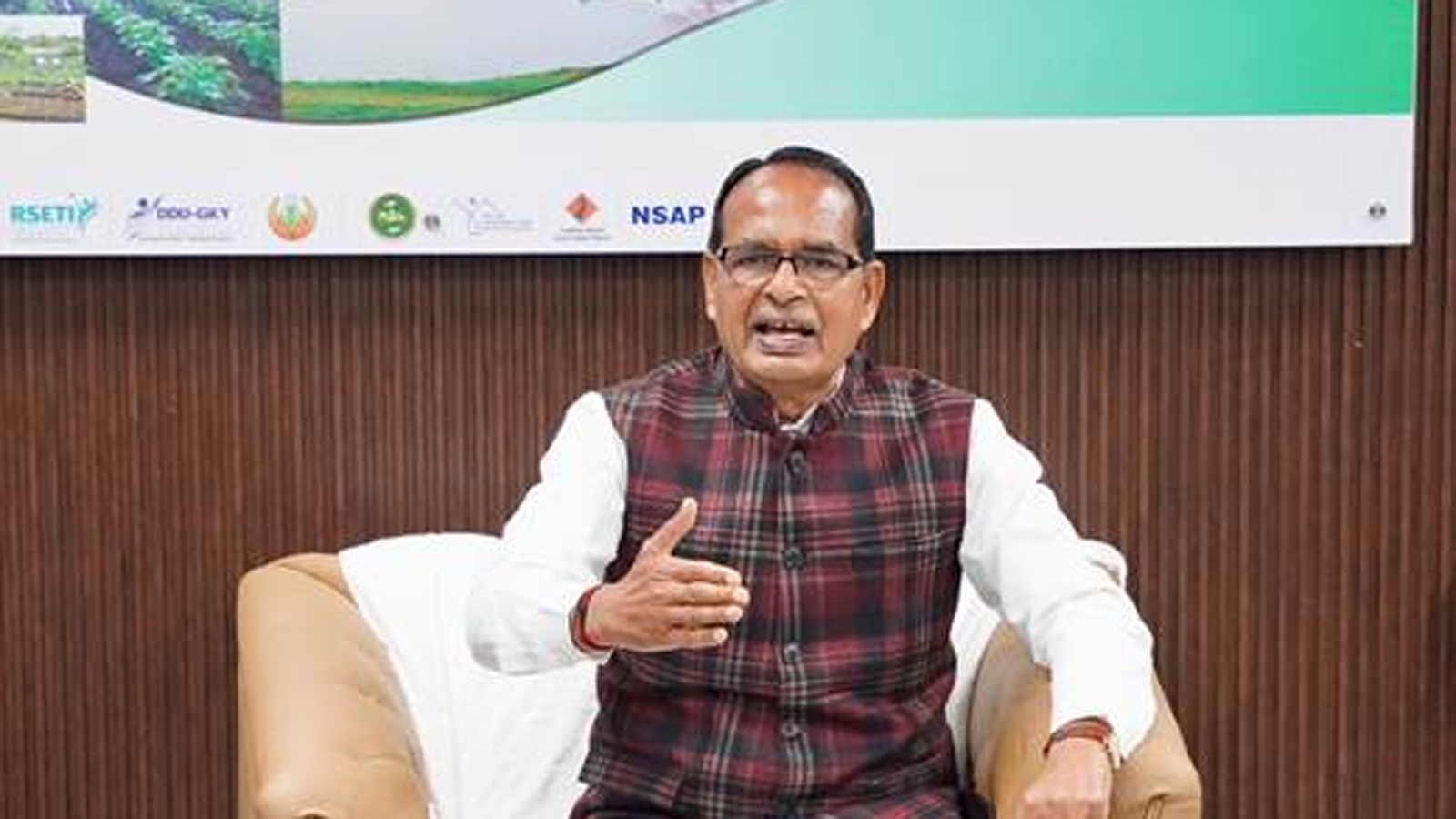
Union Agriculture and Farmers’ Welfare Minister Shivraj Singh Chouhan on Tuesday assured farmers that there is no need to panic over the possibility of El Nino conditions affecting the upcoming southwest monsoon, stating that the Centre has initiated comprehensive preparations to safeguard agricultural production and farmers’ livelihoods.
Chairing a high-level review meeting at Krishi Bhawan in New Delhi, Chouhan assessed the country’s preparedness for the 2026 southwest monsoon, including potential El Nino impacts, water availability, seed stocks, crop strategies, and contingency measures. Senior officials from the Department of Agriculture and Farmers’ Welfare and other related agencies participated in the review.
Emphasising that farmers’ interests remain the government’s top priority, the minister directed all concerned central departments and state governments to strengthen coordination and ensure timely implementation of preparedness measures. He said the objective is to provide farmers with prompt advisories, suitable seeds, alternative crop options, moisture conservation support, and effective water management assistance in the event of adverse weather conditions.
“There is no need to panic. Timely preparation is the need of the hour,” Chouhan said, adding that the government is fully alert and working under the guidance of Prime Minister Narendra Modi to minimise the impact of any weather-related challenges on agriculture.
During the meeting, officials informed that the India Meteorological Department has projected southwest monsoon rainfall at around 90 per cent of the Long Period Average, indicating the possibility of below-normal rainfall during the season. Forecasts also suggest that El Nino conditions may develop during the monsoon months.
Despite these concerns, Chouhan highlighted a positive development, noting that reservoir water levels across the country are currently well above normal. According to the latest assessment, reservoir storage stands at 127.01 per cent of the normal level for this period, providing a strong foundation for Kharif crop cultivation and irrigation needs.
The minister instructed officials to undertake special monitoring in states and districts likely to experience low rainfall or prolonged dry spells. He stressed that contingency plans must be activated at the district level and tailored to local conditions, including water availability, crop patterns, rainfall trends, and seed requirements.
“Contingency plans should not remain only on paper but should be clearly visible on the ground,” Chouhan said.
The government is focusing on area-specific and crop-specific strategies, including the promotion of drought-resistant and short-duration crop varieties. Officials informed the meeting that seed availability for both Kharif and Rabi seasons is adequate, while a National Seed Reserve has been established to address emergency requirements.
Chouhan also underlined the importance of ensuring seed quality, directing states to supply only certified and suitable seeds to farmers. He called for arrangements to provide alternative varieties quickly in areas where resowing may become necessary.
The minister further emphasised moisture conservation, water harvesting, farm ponds, and scientific water management as key measures to reduce the impact of potential rainfall deficits. He instructed states to ensure efficient utilisation of reservoir water and monitor water distribution to tail-end areas of canal systems.
Special attention was also given to disease and pest management. Chouhan directed officials to identify potential pest outbreaks and crop diseases linked to changing weather conditions and to prepare advance advisories and treatment plans.
Highlighting the importance of technology, he called for strengthening systems that deliver mobile advisories, weather warnings, crop recommendations, and pest management information directly to farmers through digital platforms, call centres, and local administrative networks.
The minister said state preparedness would be reviewed regularly, with the Centre extending additional support wherever required. He also urged various departments to work in an integrated manner by sharing data and coordinating efforts related to weather, irrigation, seeds, crop planning, and rural development.
Expressing confidence in the country’s preparedness, Chouhan said that improved water management, technological advancements, climate-resilient farming practices, and timely availability of quality agricultural inputs would help minimise the impact of any adverse weather conditions and ensure a successful Kharif season.
“The government’s objective is not merely to assess risks but to take proactive measures so that farmers remain confident and agricultural activities continue smoothly,” he said.
El Nino is a climate phenomenon that occurs when sea surface temperatures in the central and eastern Pacific Ocean become unusually warm, disrupting normal weather patterns across the globe. It typically develops every two to seven years and can significantly influence rainfall, temperatures, and storm activity.


