







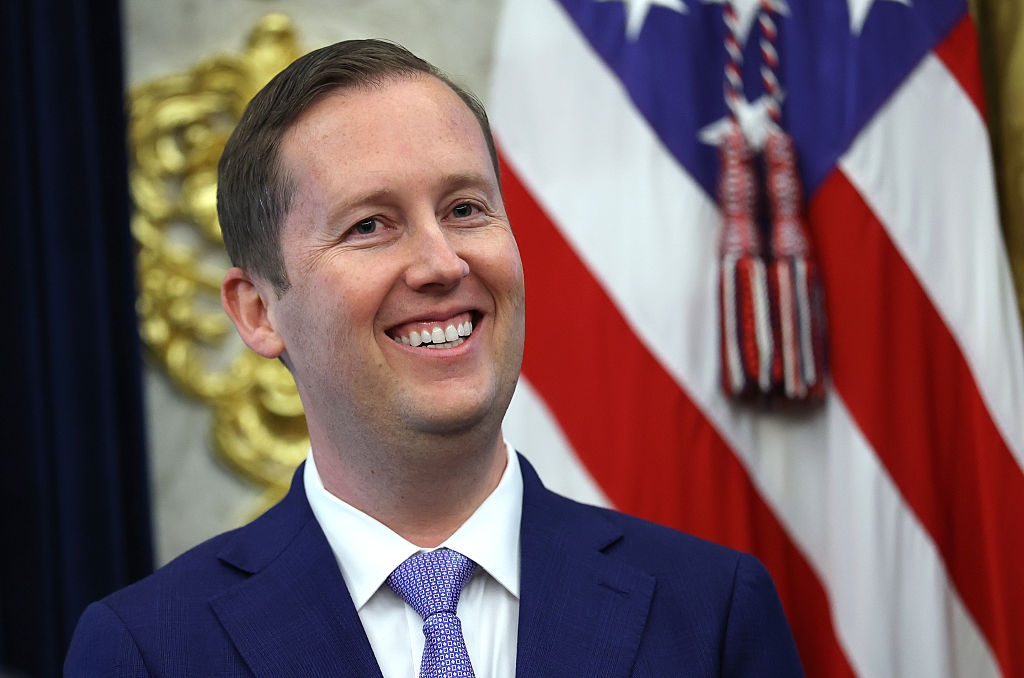
India and the United States are making significant progress towards finalising a bilateral trade agreement that could strengthen economic ties and create new opportunities for businesses in both countries, US Ambassador to India Sergio Gor said on Tuesday.
His remarks came as United States Trade Representative (USTR) Jamieson Greer arrived in New Delhi for key trade discussions with Union Commerce and Industry Minister Piyush Goyal.
Welcoming Greer, Gor said the two countries were advancing an ambitious trade agenda and working towards a mutually beneficial agreement.
“Welcome to India, @USTradeRep Ambassador Greer! Great to have you here as we drive forward our ambitious trade agenda. We are moving decisively toward finalizing a strong bilateral trade agreement that will unlock new economic opportunities for both countries and significantly deepen the U.S.-India economic partnership,” Gor said in a post on X.
Greer’s visit comes at a crucial stage in the ongoing negotiations on the proposed Bilateral Trade Agreement (BTA) between New Delhi and Washington.
During his visit, the US trade representative is expected to hold multiple rounds of talks with Goyal as both sides seek to finalise the framework for the first phase of the agreement.
On Monday, Gor had indicated that a series of meetings between Greer and Goyal had been scheduled to advance the negotiations.
The ministerial-level engagement follows discussions between chief negotiators from both countries held in New Delhi earlier this month. The talks are aimed at concluding an interim trade arrangement that would lay the groundwork for a broader and more comprehensive bilateral trade pact.
Goyal has previously expressed confidence that India and the United States are making progress in resolving outstanding issues and could conclude the first phase of the agreement by the middle of next month.
The negotiations have gained added significance ahead of the July 24 deadline for the expiry of the temporary 10 per cent tariff imposed by the United States on its trading partners.
The tariff, announced earlier this year, is levied in addition to existing Most Favoured Nation (MFN) duty rates.
(With inputs from ANI)


