







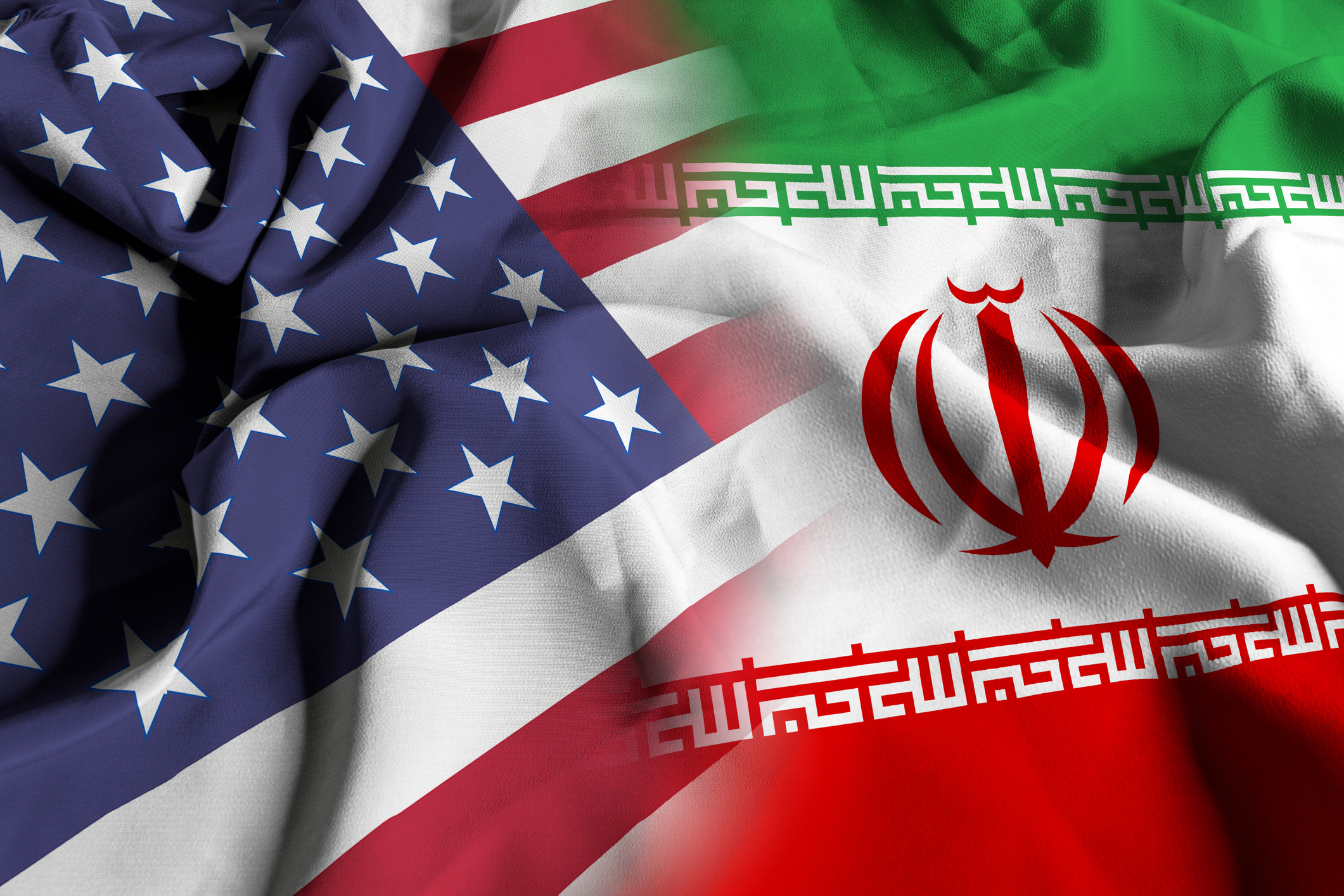
A major diplomatic breakthrough has raised hopes of a broader de-escalation in West Asia after the United States and Iran announced a framework agreement aimed at ending nearly four months of conflict. Officials from both countries confirmed that a memorandum of understanding has already been signed electronically, with a formal signing ceremony scheduled to take place in Geneva, Switzerland, on Friday. The agreement is expected to pave the way for reopening the Strait of Hormuz, restoring maritime traffic and launching a 60-day period of negotiations on Iran’s nuclear programme and other unresolved issues. Oil prices eased following the announcement as markets responded positively to the prospect of reduced tensions and the resumption of energy shipments through one of the world’s most critical maritime corridors.
US President Donald Trump said details of the agreement would be released after the formal signing ceremony, while Vice President JD Vance confirmed that the framework had been digitally signed and described it as a significant step towards ending the conflict. However, key provisions remain unclear as neither side has released the full text. Differences have already emerged over the future management of the Strait of Hormuz, with Washington insisting the waterway should remain open without tolls, while Iranian officials have suggested that future fees could still be considered. Iranian President Masoud Pezeshkian welcomed the understanding as an important step towards ending the war but stressed that a final agreement has not yet been completed.
The announcement of a US-Iran peace framework has triggered cautious optimism across West Asia, with regional governments welcoming efforts to end months of conflict. The agreement, which is due to be formally signed in Switzerland on Friday, includes plans to reopen the Strait of Hormuz and extend a ceasefire while further negotiations continue. Oil markets reacted positively, with prices falling on expectations of improved energy supplies. Despite the breakthrough, major challenges remain. The full text of the agreement has not been released and disagreements persist over sanctions relief, Iran’s nuclear programme and future navigation rules in the Strait of Hormuz. Regional tensions also remain high, particularly in Lebanon, where Israel has indicated it will maintain military positions in certain areas despite the broader diplomatic initiative. The coming days will determine whether the framework can evolve into a durable peace agreement for the region.
Iran has repeatedly stated that peace in Lebanon is an inseparable element of any lasting settlement, making the situation on the Israel-Lebanon front a potential test of the agreement’s durability.
Across the Gulf, governments have welcomed the diplomatic breakthrough and expressed support for efforts aimed at restoring regional stability.


