







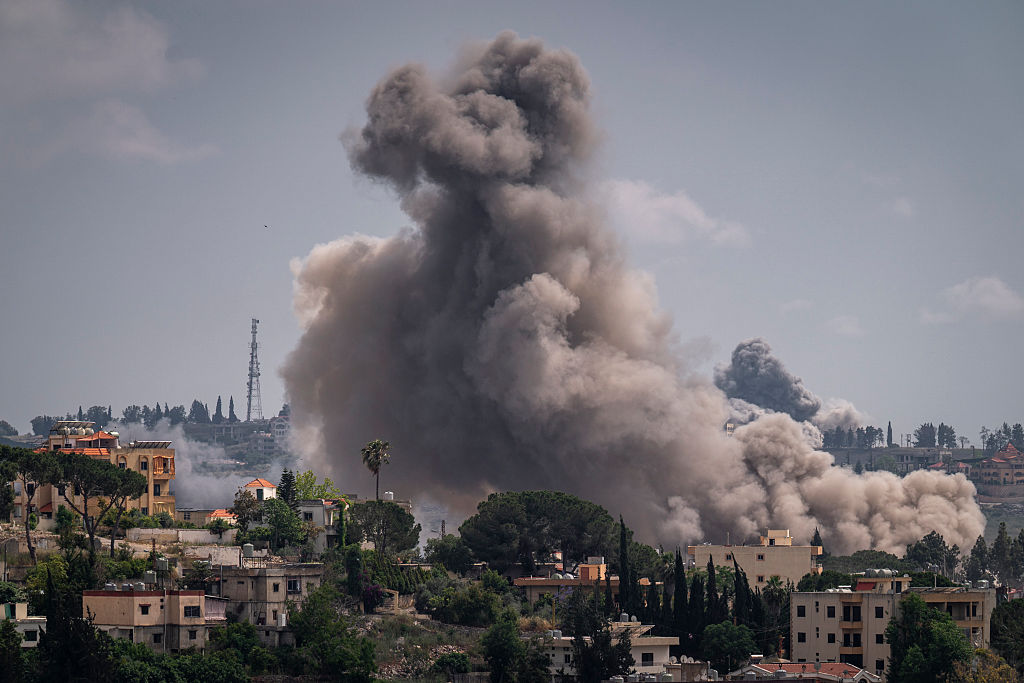
The fragile ceasefire between the United States and Iran is under severe strain today after American forces launched fresh strikes against targets on Iran’s southern coastline, triggering an immediate Iranian military response. US Central Command confirmed that its forces began launching self-defence strikes against Iran in response to the downing of a US Army Apache helicopter the previous day. The American military characterised the operation as a proportional response to the Iranian aggression. Iran struck back within hours. Iran’s Revolutionary Guards claimed they carried out a drone attack on the US Navy’s Fifth Fleet headquarters in Bahrain in response to what they described as recent hostile actions by the United States, with the IRGC’s naval force targeting the Fifth Fleet. The exchange marks the most serious flare-up since the two sides nominally agreed to a ceasefire that has been repeatedly tested by localized clashes.
Explosions were reported across several locations along Iran’s southern coast, including Sirik, Bandar Abbas, Qeshm, Jask and Kouh-e Mobarak. State media said two water storage tanks in Sirik’s Bamani district were damaged, disrupting local drinking water supplies. Iranian Foreign Minister Abbas Araghchi warned that Tehran would leave no attack or threat unanswered, saying the United States had tested Iran’s resolve.
Meanwhile, on the Lebanese front, a ceasefire reached only days ago is showing signs of collapse. Israel carried out strikes on the southern Lebanese port city of Tyre on Tuesday, after issuing an evacuation order covering the entire city for the first time. According to Lebanon’s health ministry, at least eight people were killed in the attack. The latest fighting has further strained the US-brokered ceasefire between Israel and Iran, which remains formally in place despite repeated violations. The widening violence risks pushing any prospect of a lasting peace further out of reach, as Tehran continues to link developments in Lebanon and the Gulf to the broader regional confrontation.
Iranian Foreign Minister Seyed Abbas Araghchi warned the United States against deeper involvement in the conflict. In a social media post, he said Iran’s armed forces would respond to any attack or threat. Araghchi also called on foreign forces to leave the region if they wanted to remain safe, saying the history of the Persian Gulf shows the consequences faced by outside powers that intervened there.


