







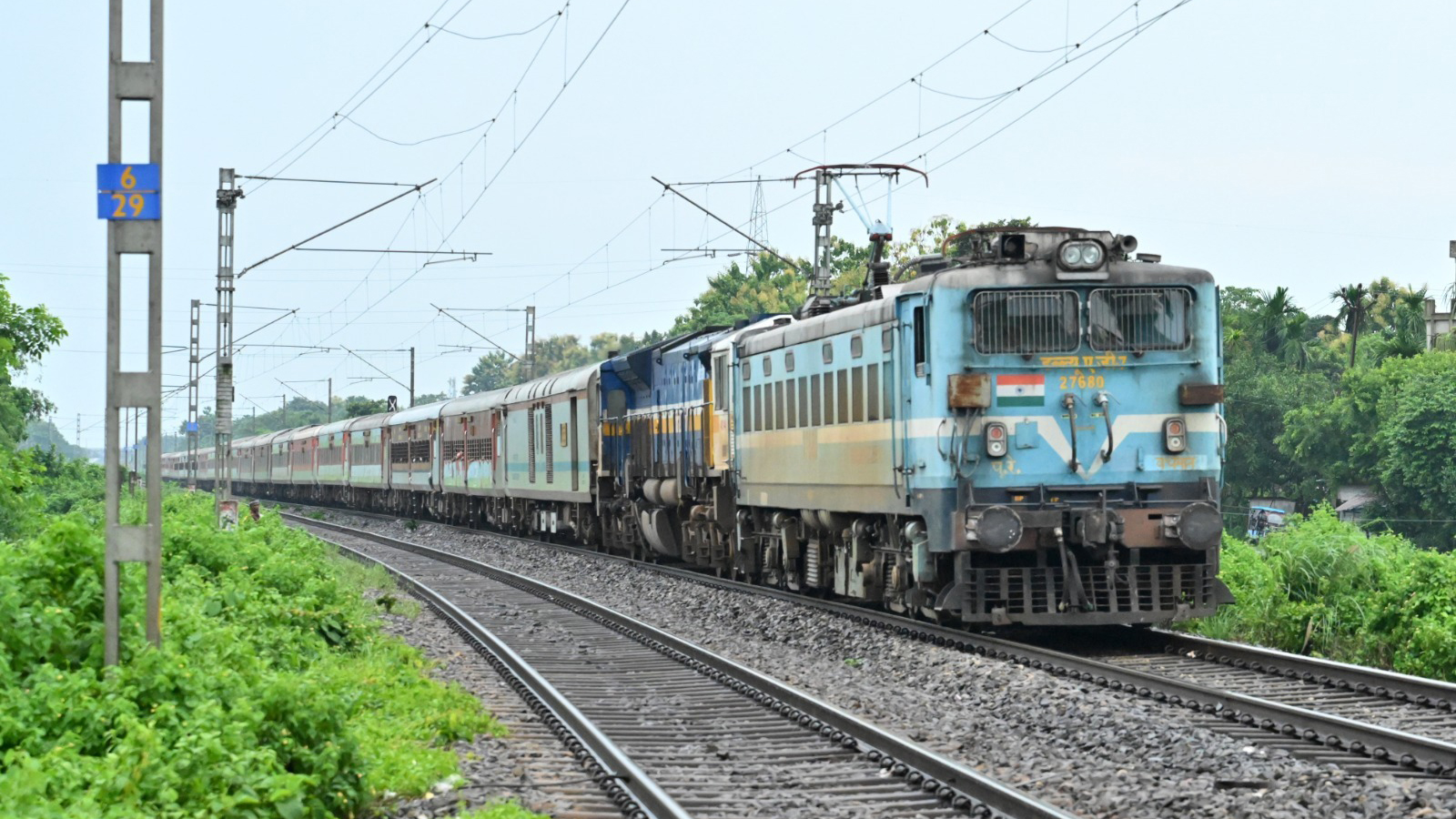
In a major infrastructure push aimed at strengthening freight movement and improving operational efficiency, Indian Railways has approved the construction of a 4.59-km rail flyover between Odisha’s Bondamunda ‘A’ Cabin and Bondamunda Link ‘B’ Cabin in the South Eastern Railway at an estimated cost of ₹135 crore.
The project is designed to decongest the strategically important Rourkela-Bondamunda section, a key industrial corridor witnessing rapidly rising freight traffic due to expanding mining and steel production activities in the region.
According to the Ministry of Railways, the flyover will separate freight and passenger train operations, significantly reducing crossing conflicts and enhancing the overall capacity and efficiency of the rail network.
Critical Upgrade for Industrial Growth
The Rourkela-Bondamunda section is expected to witness substantial growth in freight movement with the expansion of SAIL’s Barsua-Taldih-Kalta mining complex, increased production at the Rourkela Steel Plant, and the planned doubling of this High-Density Network (HDN) route.
To accommodate the anticipated increase in traffic, Indian Railways has sanctioned the construction of the dedicated rail flyover, which will facilitate smoother train operations while minimising delays caused by intersecting passenger and freight movements.
Major Capacity Enhancement
The new flyover will help decongest the busy Bondamunda Yard by segregating heavy freight traffic from passenger services. This is expected to improve line capacity, operational efficiency, train reliability and overall network performance on one of India’s busiest industrial freight corridors.
Once commissioned, the project is expected to enable the handling of an additional 8 million tonnes per annum (MTPA) of freight traffic, strengthening the transportation of minerals, steel and other industrial products while supporting future growth in freight operations.
Part of National Freight Corridor Strategy
The project has been identified under Indian Railways’ Energy, Mineral and Cement Corridor initiative, which focuses on expanding rail infrastructure to support industrial development, improve logistics efficiency and facilitate faster movement of bulk commodities across the country.
The Ministry said the approval reflects Indian Railways’ continued commitment to augmenting network capacity and building modern infrastructure to meet the growing transportation needs of India’s expanding economy.


