







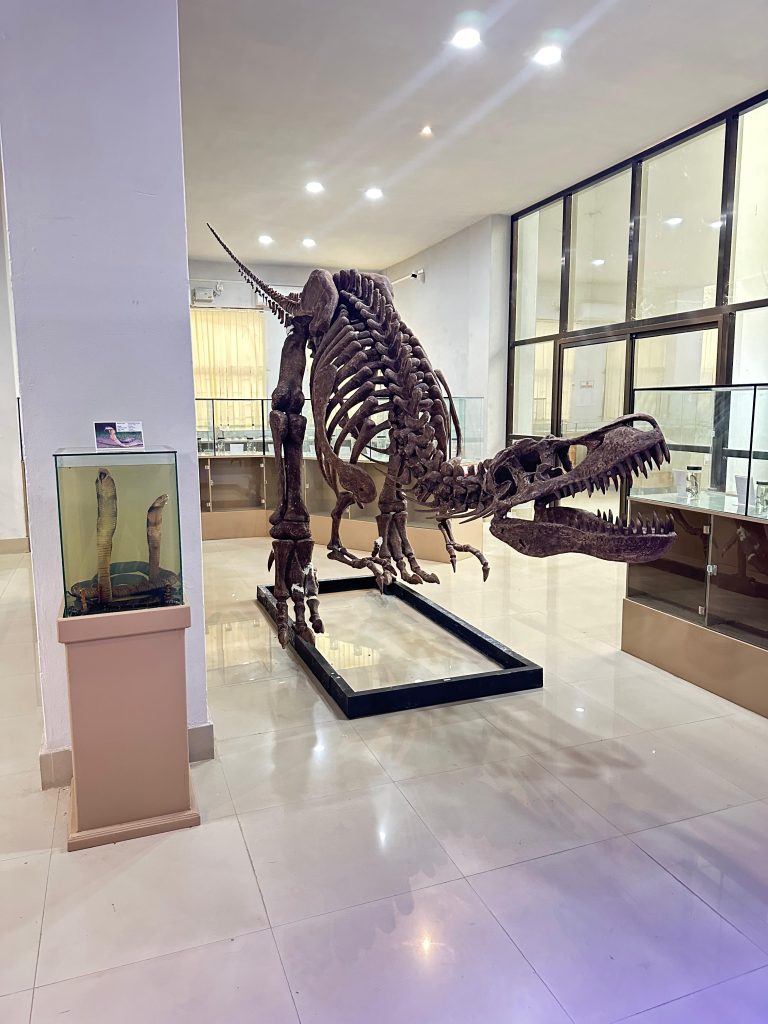
In a boost to India’s biodiversity conservation efforts and scientific infrastructure, the Centre has notified the Natural History Museum (NHM) in Mizoram as a Designated Repository under the Biological Diversity Act.
The notification, issued on June 19 on the recommendation of the National Biodiversity Authority (NBA), makes the museum the country’s 21st Designated Repository.
Established in 2022 under Mizoram University in Aizawl, the museum is strategically located within the Indo-Burma Biodiversity Hotspot, one of the world’s richest biodiversity regions, and has developed specialised expertise in taxonomy.
According to the Ministry of Environment, Forest and Climate Change, the museum’s expertise in pteridophytes, macrofungi, moths, beetles and other lesser-studied taxa fills an important gap in India’s network of Designated Repositories and strengthens the scientific documentation of the region’s rich biodiversity.
“The repository will also support the documentation and conservation of endemic species unique to the region, including the recently described amphibian Leptobrachella tamdil, discovered in the forests of Mizoram, underscoring the Northeast’s global importance as a centre of biodiversity and species discovery,” the ministry said in a statement.
The museum currently houses more than 500 biological specimens, including herbarium sheets and wet-preserved collections. Its multidisciplinary scientific team comprises experts from Mizoram University specialising in seven taxonomic groups, including macrofungi, pteridophytes, fishes, moths and butterflies.
The ministry said the designation will enable biological specimens to be preserved closer to their source, improve scientific documentation, reduce logistical challenges and strengthen collaboration with the Mizoram State Biodiversity Board and other regional research institutions.
The move also complements the existing network of repositories maintained by institutions such as the Botanical Survey of India and the Zoological Survey of India. It supports National Biodiversity Target 4 under India’s National Biodiversity Strategy and Action Plan (2024–2030) by strengthening ex situ conservation and the conservation of genetic diversity in line with the Kunming–Montreal Global Biodiversity Framework.


