







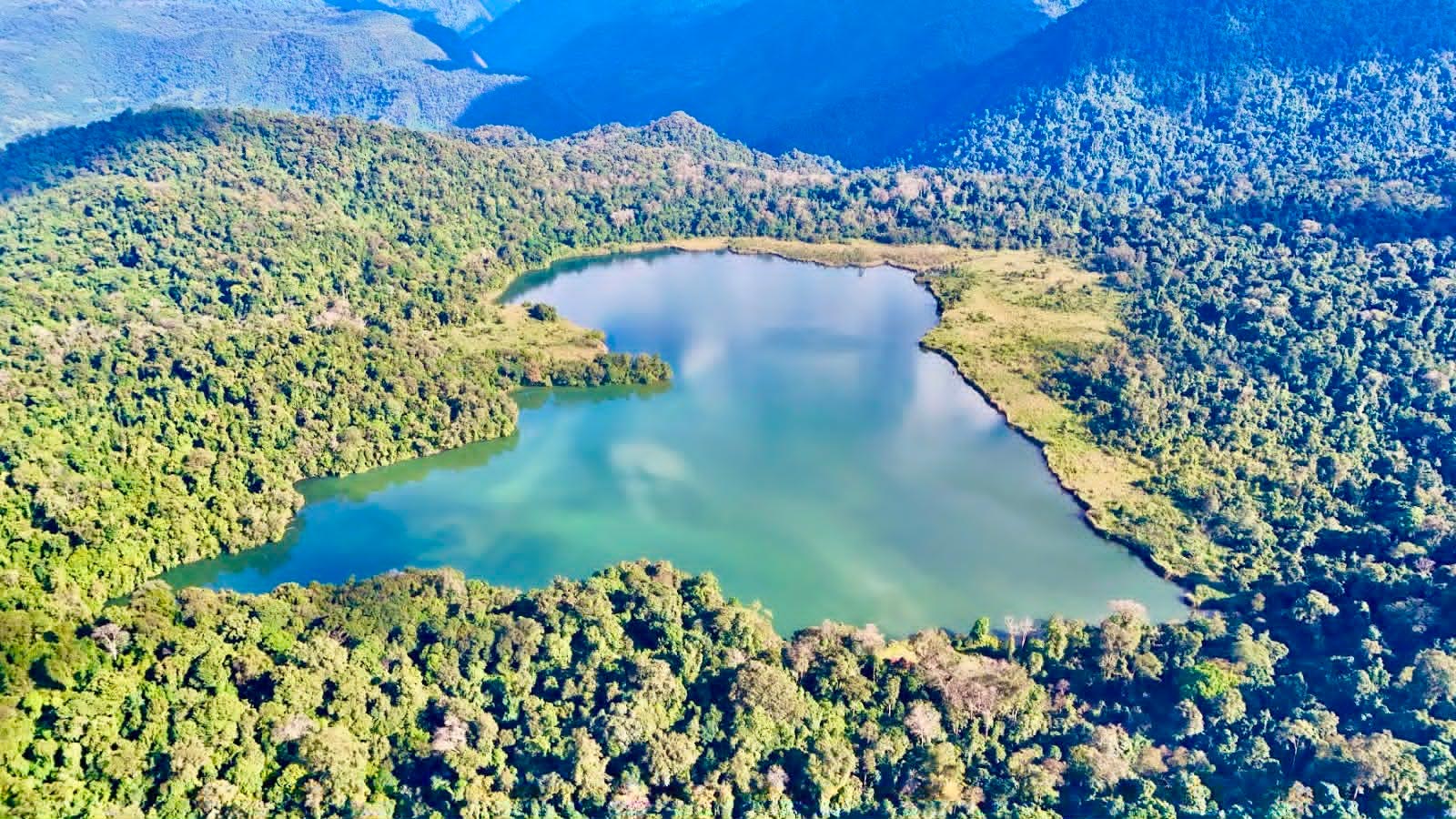
India has added Glaw Lake in Arunachal Pradesh to the list of wetlands of international importance under the Ramsar Convention, taking the country’s total number of Ramsar Sites to 101. The designation also marks Arunachal Pradesh’s first Ramsar Site, a significant milestone in the state’s biodiversity conservation efforts.
Announcing the development on Monday, Union Minister for Environment, Forest and Climate Change Bhupender Yadav said the addition of Glaw Lake reflects India’s continued commitment to wetland conservation, biodiversity protection, water and climate security, and sustainable livelihoods.
The Minister noted that India’s Ramsar network has expanded significantly over the past decade, growing from 26 Ramsar Sites in 2014 to 101. He said the achievement demonstrates the country’s sustained focus on environmental protection, biodiversity conservation and sustainable development under the leadership of Prime Minister Narendra Modi.
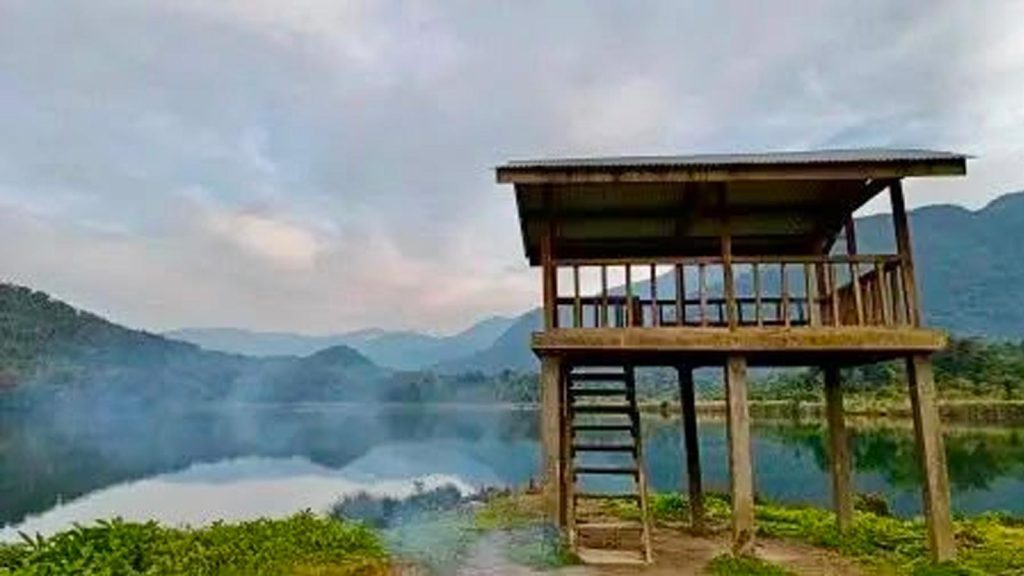
Located within the Kamlang Tiger Reserve and Wildlife Sanctuary in the Eastern Himalayas, Glaw Lake is a pristine freshwater wetland recognised for its rich ecological diversity. The lake is fed by perennial mountain streams and surrounded by dense natural vegetation, making it an important habitat for a wide range of plant species.
According to the Ministry of Environment, Forest and Climate Change (MoEFCC), the wetland and its catchment area support more than 150 tree species and 49 orchid species, highlighting its ecological significance and its role as a biodiversity hotspot in the region.
The Ramsar designation is expected to strengthen conservation efforts for the lake while promoting the sustainable management of its natural resources. It also reinforces India’s commitment to protecting ecologically important wetlands and ensuring that communities dependent on these ecosystems continue to benefit from their environmental and economic value.


