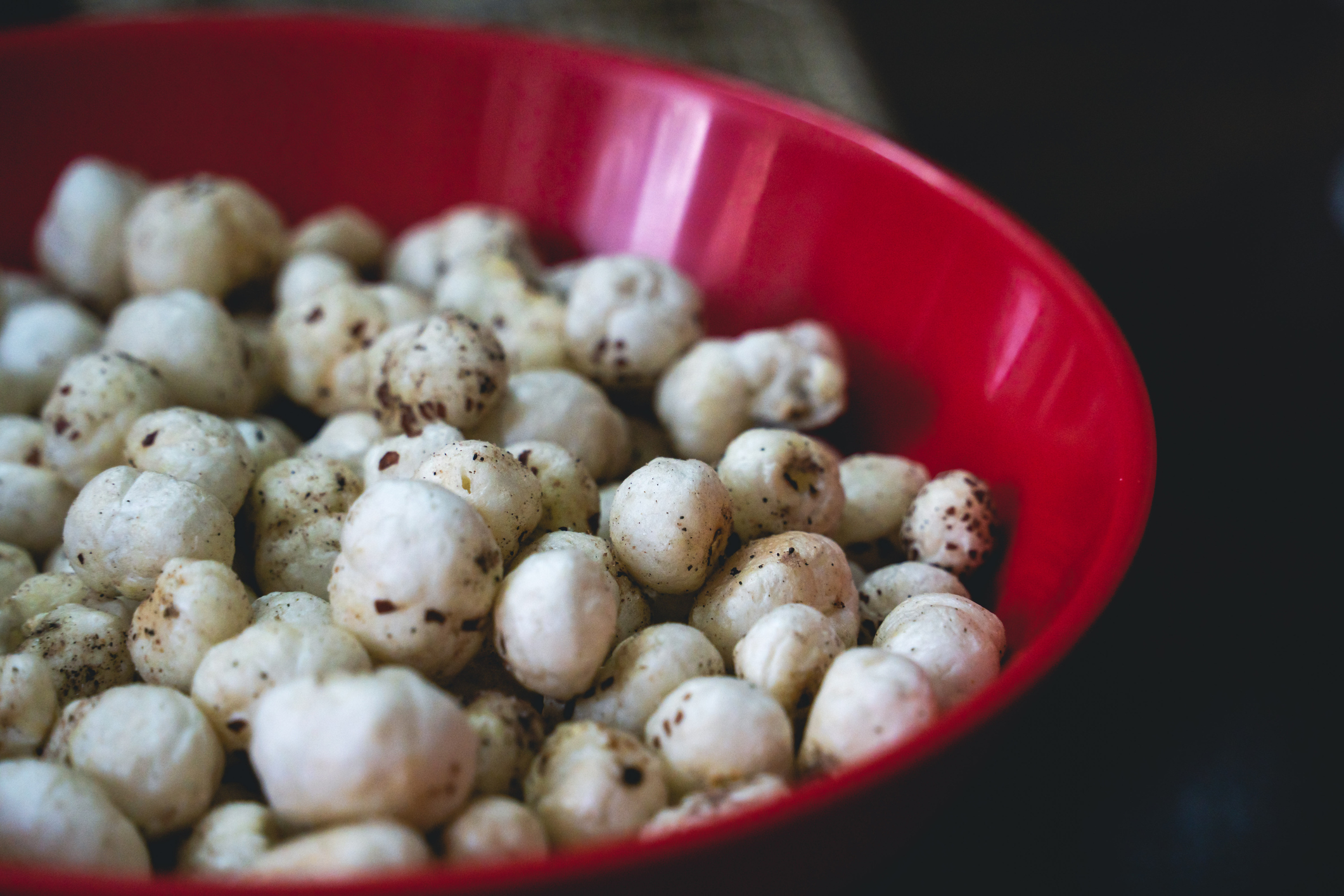
For generations, makhana has been a familiar food, particularly in Bihar and parts of eastern India. Roasted, popped and light enough to snack on by the handful, it has long been part of everyday eating as well as fasting traditions.
What is changing is not makhana itself, but the way it is being viewed.
As people increasingly look for snacks that are light, plant-based and less reliant on heavily processed ingredients, the humble fox nut has moved from local markets and household kitchens to supermarket shelves and branded snack aisles. Once strongly associated with Bihar, makhana is now being presented as an Indian food with appeal far beyond its traditional home.
What makes makhana different?
Makhana comes from Euryale ferox, an aquatic plant cultivated in shallow ponds, lakes and wetlands. The edible seeds are collected, dried and roasted before being popped into the familiar white, crunchy snack.
The journey from seed to snack is remarkably labour-intensive. Much of the cultivation and harvesting still relies on traditional methods, with seed collection involving manual work in water bodies. The raw seeds then go through drying, cleaning, roasting, popping, sorting and grading before reaching consumers.
That traditional production story is increasingly meeting modern food trends.
Makhana is naturally low in fat and contains dietary fibre, protein and minerals including magnesium, potassium, phosphorus and iron. It is also low in sodium and cholesterol-free.
For someone looking to replace a routine packet of fried snacks with something lighter, that nutritional profile is part of the attraction.
A snack that fits the modern plate
One of makhana’s biggest advantages is its simplicity.
Roasted makhana can be eaten on its own or seasoned with spices for a savoury snack. It can also be turned into flour and used in other preparations. The growing market has brought flavoured and ready-to-eat versions to consumers, giving the traditional ingredient a distinctly modern makeover.
But the appeal need not depend on elaborate flavours or premium packaging.
At its simplest, roasted makhana offers the crunch people often look for in a snack, without necessarily turning to fried foods. Its fibre and protein content can also make it a useful addition to a balanced diet.
The key word, however, is addition. Makhana is nutritious, but it is not a magic food. Calling something a “superfood” can sometimes make it sound as though eating it alone can deliver a complete health solution. In reality, its value lies in how easily it can fit into an otherwise varied diet.
From Bihar’s ponds to global shelves
The story of makhana is also a story about Indian agriculture.
Bihar remains at the heart of the sector, with cultivation concentrated particularly in the state’s northern districts, including Supaul, Saharsa and Madhepura. India is the world’s largest producer of makhana, and the crop has increasingly moved into organised processing, branding and exports.
The government’s push to develop the sector has also brought greater attention to cultivation, processing, research and value addition. The National Makhana Board was launched in Bihar in 2025, while a Central Sector Scheme for the Development of Makhana is aimed at improving areas ranging from seeds and farming practices to processing, branding and exports.
Behind every neatly packed box of makhana, therefore, is a much longer chain of farmers, workers, processors and traditional knowledge.
More than just a snack
The growing interest in makhana is perhaps best understood as a meeting point between old food traditions and new eating habits.
It is not a newly discovered ingredient. What is new is the scale of attention around it.
For consumers, that may mean a convenient snack option with a useful nutritional profile. For farmers, it represents an agricultural crop receiving greater investment, research and market access. And for Indian food businesses, it offers an opportunity to take a traditional ingredient and create products for both domestic and international consumers.
Research institutions are also working to improve cultivation and processing. The National Research Centre for Makhana has supported improved varieties, farmer training, processing technologies and value-added products, reflecting an effort to modernise the sector without losing its agricultural base.
So, should makhana be on your snack list?
It can be.
Not because it is a miracle food, and not because every food trend needs a “superfood” label, but because makhana offers something quite practical: a traditional Indian ingredient that can work comfortably within contemporary eating habits.
Roasted and lightly seasoned, it can be an alternative to more heavily processed snack choices. Its protein, fibre and mineral content add nutritional value, while its light, crunchy texture makes it easy to incorporate into everyday snacking.
And perhaps that is the more interesting story behind makhana.
India did not suddenly discover it. The world is simply beginning to pay closer attention to something Indian kitchens have known for a long time.