







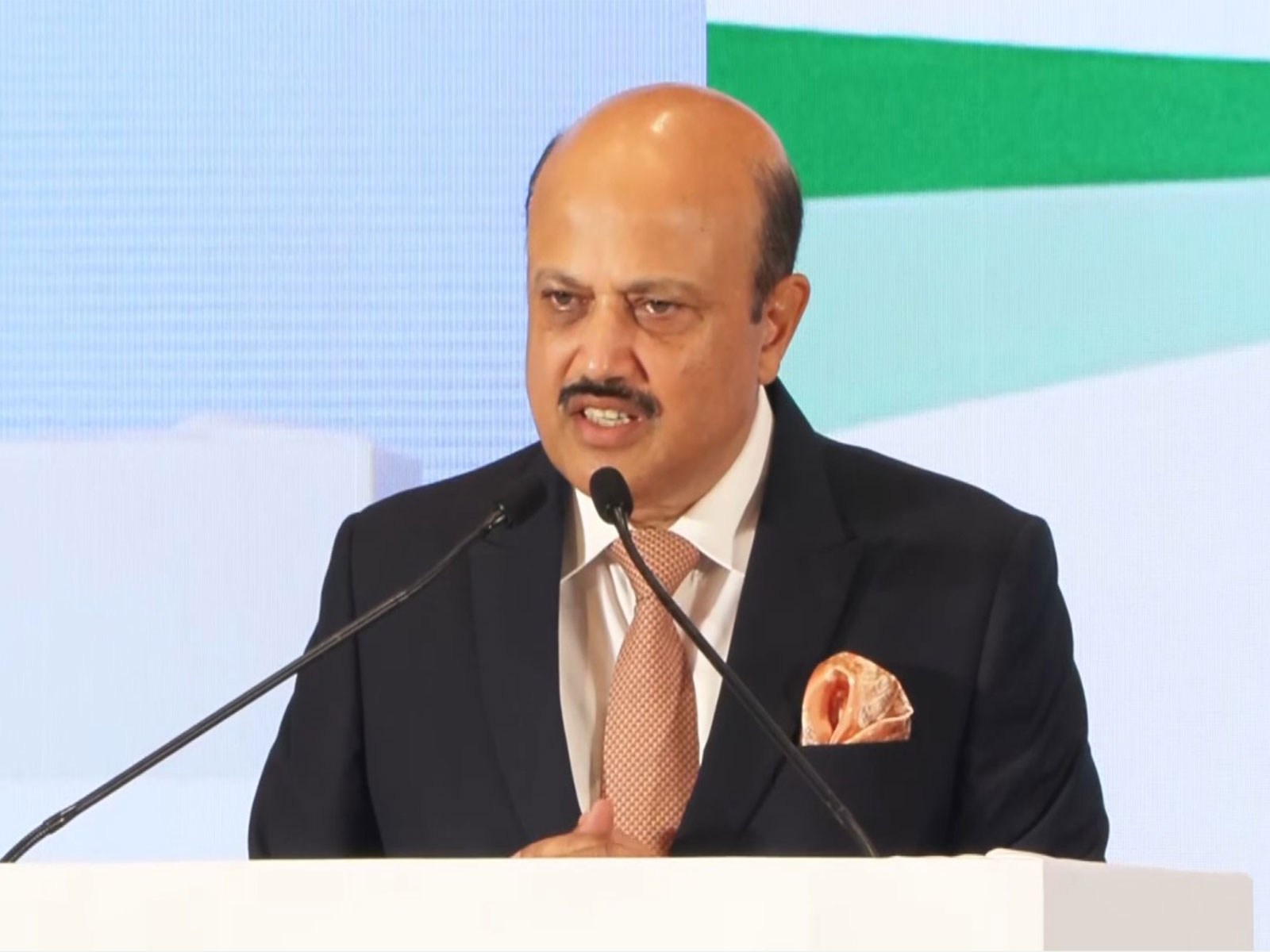
The Department of Commerce has set up an FTA Utilisation Cell to explain the benefits and opportunities available under Free Trade Agreements (FTAs) and help Indian businesses make greater use of them, Commerce Secretary Rajesh Agarwal said on Wednesday.
The cell will work closely with industry associations, Export Promotion Councils and state governments to help businesses utilise FTAs, identify new market opportunities and benefit from the market access created through the agreements.
Agarwal said, “The focus will be on working with all EPCs to improve FTA utilisation and ensure that Indian businesses derive maximum benefit from the market access created through these agreements.”
Speaking at the second India-EFTA Prosperity Summit, organised to mark the first anniversary of the India-EFTA Trade and Economic Partnership Agreement (TEPA), Agarwal said trade agreements must translate into measurable outcomes.
He said India has now concluded trade agreements covering 32 countries, including the four EFTA nations, the 27-member European Union and the United Kingdom.
The Commerce Secretary said the India-UK trade agreement came into force on July 15, while the agreement with the European Union is expected to become operational next year.
More than 99 per cent of India’s trade value with EFTA countries now enters at zero tariff, Agarwal said. However, he stressed that the greater benefit of FTAs lies in providing businesses with certainty rather than merely reducing tariffs.
He said greater tariff certainty would allow businesses to plan investments and build supply chains with greater confidence, while also giving them a wider choice of partners with greater reliability and lower risk.
Agarwal described the 32 countries covered by India’s trade agreements as high-income and high-consumption markets where demand for quality products is high. He noted that several Indian exporters already receive significantly higher prices in these markets compared to other destinations.
He said agriculture presents a significant opportunity, particularly as European markets import agricultural products worth trillions of dollars. While tariffs have not been eliminated for every agricultural product, several product lines where India has strengths have received zero-duty or preferential access.
The Commerce Secretary said Indian exports to the bloc currently account for only a small share of its approximately USD 500 billion import basket. He urged every Export Promotion Council to prepare market-specific strategies to bridge this gap.
Agarwal also asked every EPC to prepare a five-year action plan for each trade agreement, covering non-tariff barriers, quality standards and potential anchor companies in each market.
He acknowledged concerns among senior stakeholders over whether FTAs would deliver the expected results, particularly as earlier agreements had not always resulted in significantly faster export growth to partner countries compared with other markets.
Agarwal said the answer lies in complementarity between economies with different strengths.
“The answer lies in complementarity, as these economies have different strengths. The utilisation cell is meant to turn that potential into real outcomes,” he said.
-ANI


