






Union Home and Cooperation Minister Amit Shah on Tuesday said Chhattisgarh has entered a new phase of development after becoming Naxal-free, expressing confidence that the state would emerge among the top three states in the country in the tourism sector in the coming years.
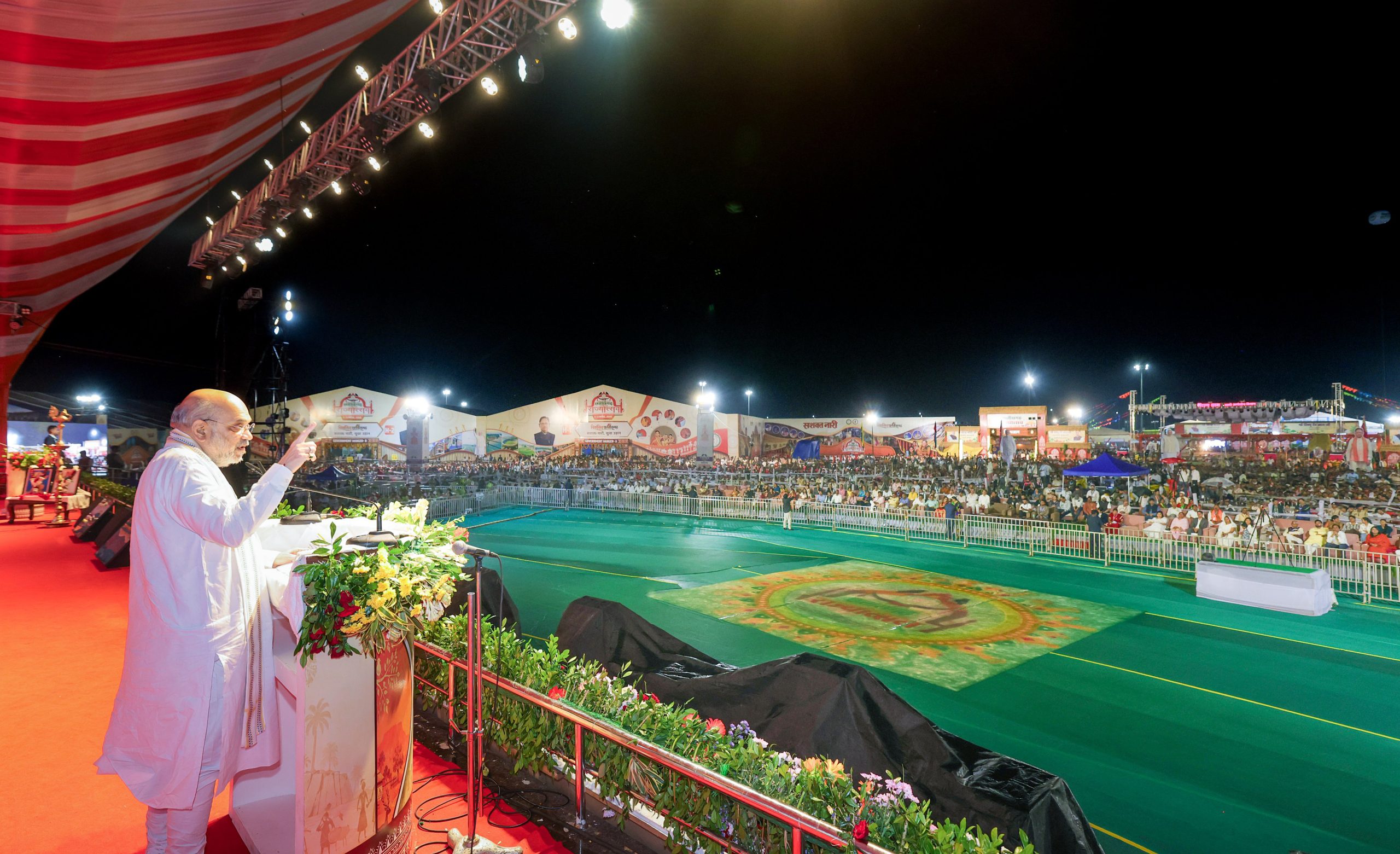
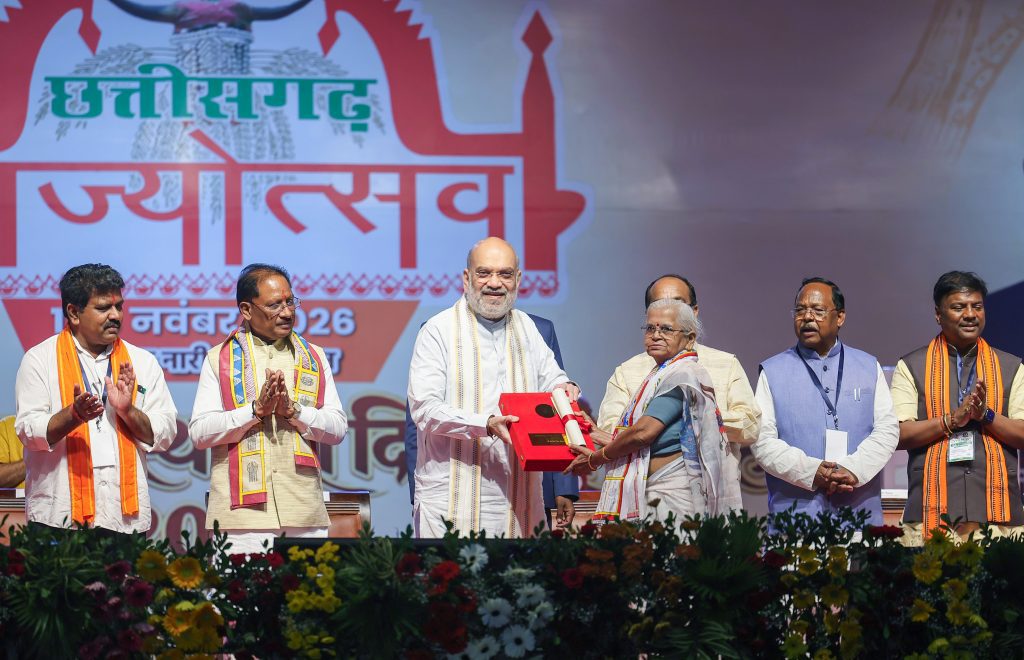
Addressing the closing ceremony of the Chhattisgarh Rajyotsav in Raipur, Shah congratulated the Central Armed Police Forces (CAPFs) and Chhattisgarh Police for their role in eliminating Naxalism. He said the achievement marked the fulfilment of a long-standing resolve to make Chhattisgarh and the country free from Left-Wing Extremism.
Recalling the formation of Chhattisgarh in 2000 under the leadership of former Prime Minister Atal Bihari Vajpayee, Shah said Vajpayee had given the region its identity as a separate state, while Prime Minister Narendra Modi had nurtured it through development initiatives.
He said the state, which had witnessed years of violence and stalled development, was now moving towards peace, prosperity and greater opportunities, particularly for its tribal communities.
Highlighting the government’s approach towards tackling Naxalism, Shah said the Centre had pursued a policy of encouraging armed cadres to surrender and return to the mainstream, while taking firm action against those continuing to engage in violence.
He alleged that Naxal violence had deprived tribal communities of basic facilities, education and infrastructure for decades. Referring to the destruction of schools, roads and other public infrastructure, he said the Modi government was committed to ensuring that the rights and welfare of poor tribal communities received equal attention.
Shah also highlighted rehabilitation efforts for people injured in Naxal-related violence, stating that artificial limbs had been provided to those who had lost their limbs in bomb blasts over the past three decades.
On the state’s cultural heritage, the Home Minister said the government was working to preserve and promote Chhattisgarh’s folk traditions through initiatives such as Chhattisgarh Pandum and Bastar Olympics.
He referred to traditional art forms and cultural practices, including Panthi, Pandavani, Raut Nacha, Karma and Saila dances, along with Dhokra art, Bell Metal, woodcraft and Kosa silk. He also highlighted the 75-day Bastar Dussehra celebrations as a distinctive cultural tradition.
Shah said events such as Bastar Pandum and Bastar Olympics had encouraged the participation of lakhs of young people, helping revive indigenous games, traditional attire, cuisine, songs and dances.
Reviewing the state’s development progress, Shah said the government led by Chief Minister Vishnu Deo Sai, along with the two Deputy Chief Ministers, had fulfilled more than 70 per cent of the guarantees made to the people in a short period.
He noted that the 33rd instalment under the Mahtari Vandan Yojana had been transferred to beneficiaries, while paddy procurement was underway. He also highlighted progress in agriculture, forest produce, animal husbandry and the MSME sector.
Underlining Chhattisgarh’s tourism potential, Shah named Chitrakote Falls, Tirathgarh Falls, Kanger Valley National Park, Maa Bamleshwari Temple and Maa Danteshwari Temple among the state’s major attractions. He said the Bastar Dussehra festival and the region’s natural and cultural heritage could attract tourists from across the world.
The Union Minister also highlighted the state’s economic and educational growth, stating that its annual budget had increased 30-fold, per capita income 17-fold and Gross State Domestic Product (GSDP) 25-fold.
He said the number of Industrial Training Institutes (ITIs) had doubled, engineering colleges had tripled, while polytechnic institutions, colleges and universities had expanded six-fold. The state’s literacy rate, he added, had increased from 65 per cent to 79 per cent.
Shah said the government’s vision was to transform Chhattisgarh from a resource-rich but economically underdeveloped state into a prosperous region over the next decade.
He expressed confidence that the state’s development journey would move people from fear to trust and from natural resources to prosperity, with a focus on building an inclusive and prosperous society.
-PIB


