







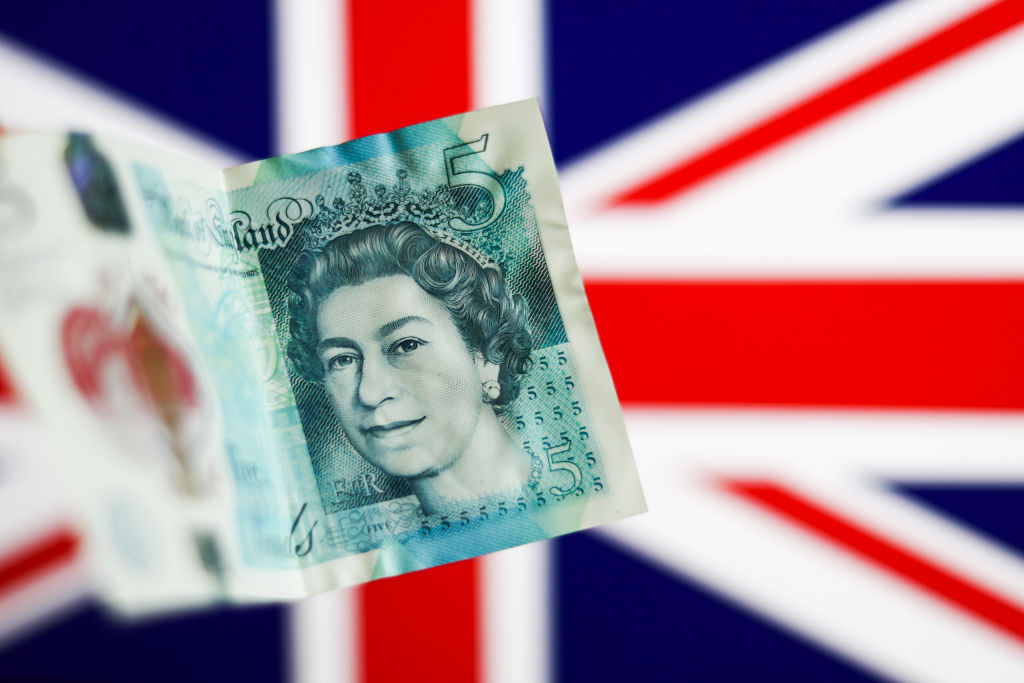
Sterling slipped and UK borrowing costs edged up on Monday, after Prime Minister Keir Starmer said he would resign and a new leader to be in place by September, leaving investors with no clarity on how Britain’s next leader might run the economy.
Starmer, who has been in the job less than two years after his Labour party won a landslide election victory, said nominations for anyone to replace him would open on July 9. His rival Andy Burnham is the clear frontrunner.
Sterling GBP=, which has lost some 3% since pressure on Starmer began to heat up in February, was down 0.2% at $1.319, near its lowest in three months.
Britain already has the highest borrowing costs in the Group of Seven wealthy nations due to its high debt and interest payments, years of anaemic economic growth, its struggles to cut spending and the need to invest in areas like defence.
“At the moment, Andy Burnham is the favourite and he’s tried to reassure the gilt market that he will stick to the fiscal rules, and there are reports that he’s working with respected economists,” said MUFG senior currency analyst Lee Hardman.
“That has definitely provided some reassurance to investors and will limit the downside risks for the pound and gilts in the near term.”
The options market shows traders are willing to pay more to hedge against volatility in sterling in the coming weeks than they were on Friday GBPSO=, GBP1MO=.
UK 10-year gilt yields are at around 4.85% GB10YT=RR, not far off their highest since the 2008 financial crisis, meaning Britain must pay more for its medium-term borrowing needs than any other developed nation.
“The question is, is it going to be a coronation or a contest? If it’s a coronation, then I think we can see a little bit of a rally in gilts and/or sterling holding on,” CIBC head of G10 currency strategy Jeremy Stretch said of Starmer’s potential successor.
“But if there’s a contest, then the danger would be that could involve various protagonists involving themselves, or being dragged into fiscal commitments that they would not otherwise have made, or not be comfortable with. So that would be much more problematic from a sterling perspective.”
Political instability and concern over Britain’s stretched finances have made investors wary of sterling and gilts, which have been prone to higher volatility than other markets in recent years.
Burnham is viewed as being more left-leaning than Starmer, and although he has said he will stick to incumbent finance minister Rachel Reeves’ tight fiscal rules, investors will need to see proof.
Jefferies strategist Mohit Kumar said he had stayed away from long-dated gilts given concern about Britain’s long-term finances.
(Reuters)


