







The government has outlined a range of measures to address student suicides and strengthen mental-health support for students across schools and higher educational institutions, including counselling services, suicide-prevention protocols, anti-ragging measures and a national tele-mental health programme.
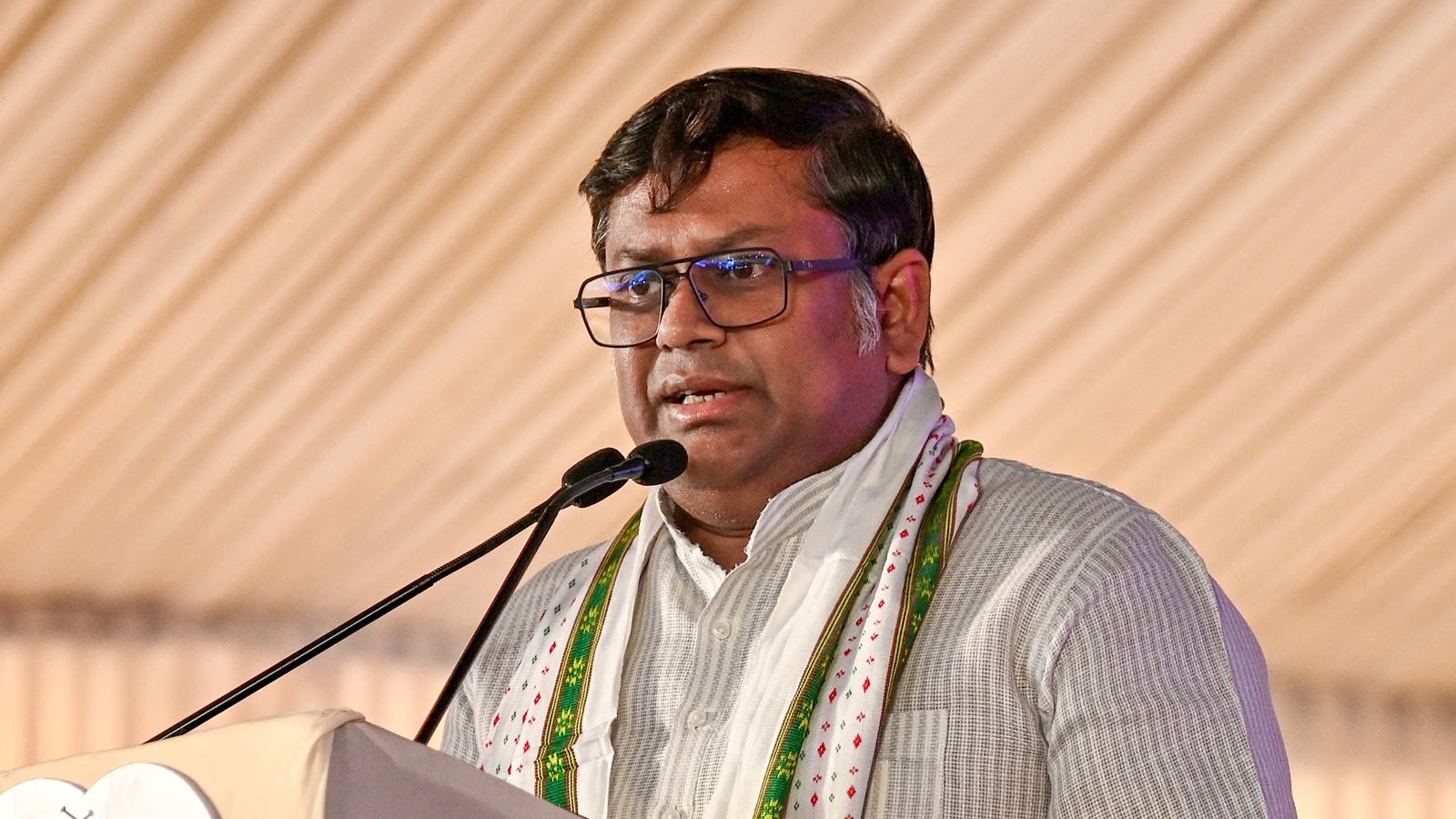
Minister of State for Education Sukanta Majumdar said in a written reply to the Lok Sabha on Monday that the National Crime Records Bureau (NCRB) collects data on suicides based on cases recorded by police. The bureau publishes detailed information in its annual Accidental Deaths & Suicides in India (ADSI) reports, including data on student suicides by year, State, gender and age group.
According to the ADSI reports, suicides can be linked to a range of factors, including professional and career-related problems, feelings of isolation, abuse and violence, family problems, mental disorders, addiction to alcohol, financial losses and chronic pain.
The Education Ministry said it has adopted a multi-pronged approach to provide psychological and emotional support to students, teachers and families and to prevent suicide-related incidents.
MANODARPAN initiative
The Ministry’s MANODARPAN initiative provides psychological support through a range of activities aimed at promoting the mental and emotional well-being of students, teachers and families.
The initiative includes a national toll-free helpline where callers can receive guidance from trained counsellors. It also conducts live interactive sessions under ‘Sahyog’ and webinars under ‘Paricharcha’ to create awareness about mental health among students and other stakeholders.
These programmes are telecast on PM e-Vidya channels and are also available on the NCERT Official YouTube channel.
Counselling support in schools
The Central Board of Secondary Education (CBSE) has mandated the appointment of counsellors and wellness teachers in every secondary and senior secondary school affiliated with the board.
The Navodaya Vidyalaya Samiti has provisions for engaging two counsellors – one male and one female – in each Jawahar Navodaya Vidyalaya on a contractual basis. As of February 2026, a total of 830 counsellors had been engaged in JNVs across the country.
Directions have also been issued to Kendriya Vidyalayas to appoint counsellors in all schools on a contractual basis for the time being.
Measures in higher education
The University Grants Commission (UGC) issued an advisory in January 2023 circulating the National Suicide Prevention Strategy prepared by the Ministry of Health and Family Welfare among higher educational institutions.
In April 2023, the UGC also issued guidelines aimed at promoting physical fitness and sports activities and creating safeguards against academic and peer pressure, behavioural issues, stress, career concerns, depression and other factors affecting students’ mental health.
The guidelines call for promoting positive thinking and emotions and building supportive networks for students.
The Ministry subsequently circulated a framework on the emotional and mental well-being of students in higher education institutions in July 2023. The framework calls for counselling services, early identification of distress, standard operating procedures for suicide prevention, student support networks, stronger grievance redressal systems and periodic institutional reviews.
Anti-ragging measures
The UGC has also intensified its anti-ragging outreach through its official social media platforms, including X, Instagram, Facebook, LinkedIn, WhatsApp and YouTube. Campaign material, including videos and banners, has been disseminated in 21 languages.
The commission has also implemented measures under the UGC Regulations on Curbing the Menace of Ragging in Higher Educational Institutions, 2009.
These include a 24×7 national anti-ragging helpline, workshops and seminars, mandatory disclosure of the consequences of ragging in institutional prospectuses, annual online undertakings by students and parents and the display of anti-ragging posters on campuses.
Mental-health measures for coaching students
The Ministry’s Guidelines for Regulation of Coaching Centres, issued in January 2024, also include student-support and protection measures.
The guidelines provide for counselling facilities, transparent fee structures, restrictions on practices such as batch segregation and safeguards against practices that could increase academic pressure on students.
Focus on faculty and campus support
Under the Malaviya Mission Teacher Training Programme, an integrated approach to promoting positive mental health, resilience and well-being has been developed.
Two fortnightly sessions are being conducted with faculty members of higher education institutions to equip them to identify and address student mental-health concerns and facilitate early intervention.
The Ministry has also organised National Wellbeing Conclaves at IIT Hyderabad in November 2024 and IIT Bombay in November 2025. A regional workshop on mental health was held at IIT Madras on July 12-13, 2026, bringing together institutional leaders, faculty members, students and mental-health professionals.
Several higher educational institutions have also introduced their own support systems. IIT Kharagpur, for instance, has implemented the SETU (Support, Empathy, Transformation & Upliftment) framework, focusing on preventive and round-the-clock support.
IIT Madras, IIT Delhi, IIT Guwahati, IIT Gandhinagar and IIT Roorkee have conducted workshops on mental wellness and stress management.
The Ministry said all IITs, IIMs, NITs and IIITs have dedicated mental-health or counselling centres on their campuses, staffed by professional counsellors, clinical psychologists and, in some cases, psychiatrists.
Expansion of national mental-health services
The Ministry of Health and Family Welfare (MoHFW) is implementing the National Mental Health Programme, which provides outpatient services, assessment, counselling and psychosocial interventions, continuing care and support, medicines and outreach services through the public healthcare system.
More than 1.81 lakh Sub Health Centres and Primary Health Centres have been upgraded to Ayushman Arogya Mandirs, where mental-health services have been incorporated into the comprehensive primary healthcare package.
The government also launched the National Tele Mental Health Programme in 2022 to improve access to mental-health counselling and care.
As of August 6, 2026, 36 States and Union Territories had established 53 Tele Mental Health Assistance and Networking Across States (Tele-MANAS) cells. The helpline has handled more than 43.25 lakh calls, according to the government.
A Tele-MANAS mobile application has also been launched to provide support covering a range of mental-health concerns, from general well-being to mental disorders. A video consultation facility has been added to supplement the existing audio-based service.
The Ministry said the combination of school-level counselling, higher education support systems, anti-ragging measures, teacher training and expanded mental-health services is intended to create a more supportive environment for students and strengthen early intervention and suicide-prevention efforts across the country.


