







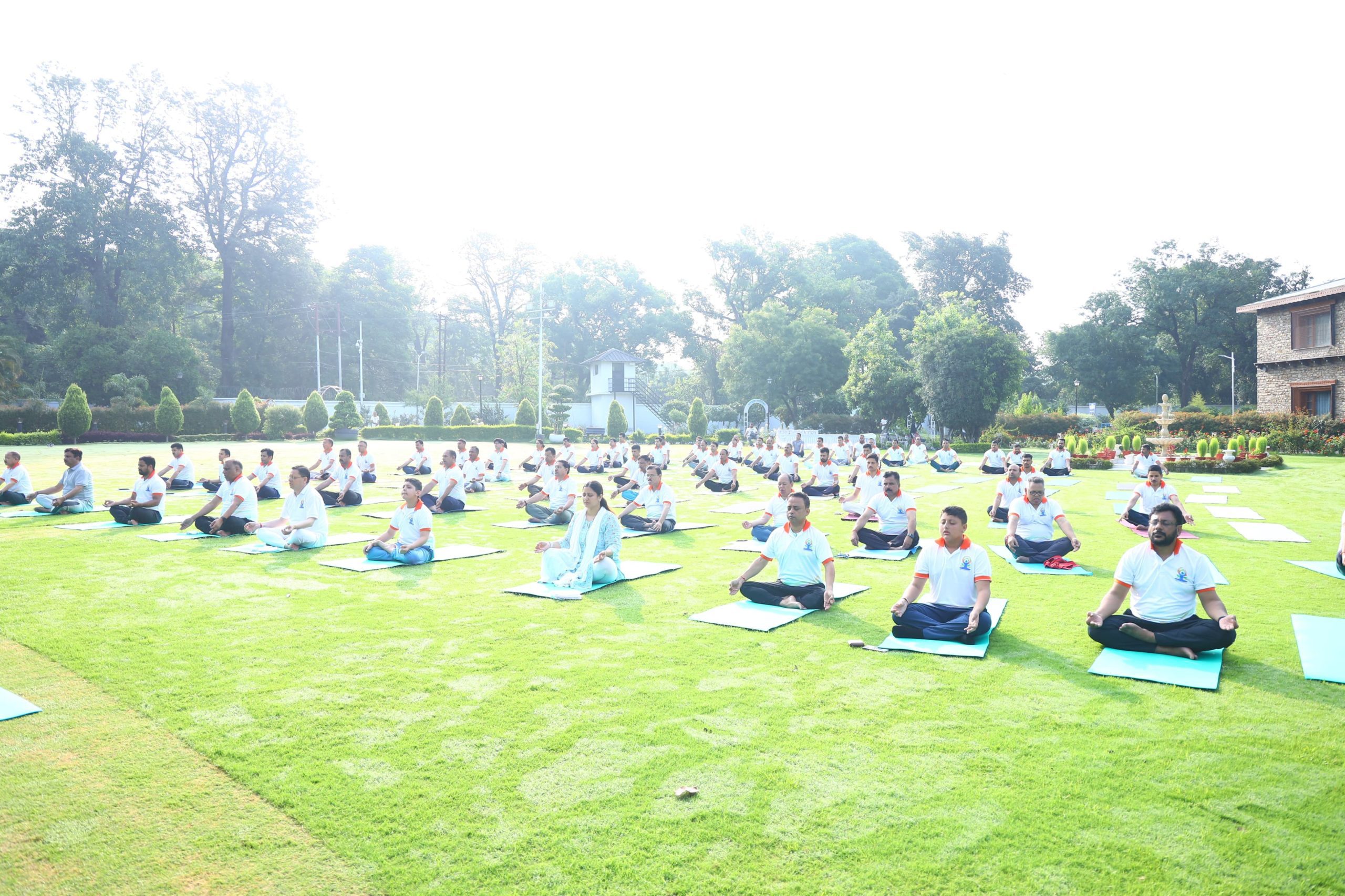
The Ministry of Ayush has announced “Yoga for Healthy Ageing” as the theme for the 12th International Day of Yoga (IDY), to be observed on June 21, highlighting yoga’s growing role in promoting physical, mental and emotional well-being amid rising global life expectancy.
The theme reflects increasing international recognition of yoga as a holistic approach to healthy and active living and underscores its importance in improving not just lifespan but also “healthspan” — the years spent in good health.
Announcing the theme, Union Minister of State (Independent Charge) for Ayush and Minister of State for Health and Family Welfare Prataprao Jadhav said the concept is particularly relevant as populations across the world continue to age.
“As life expectancy continues to rise, it is vital that we learn the art of ageing gracefully and healthily—a concept beautifully exemplified in India’s ancient civilisation, where sages and yogis sustained longevity and vibrant health through the power of yoga and spiritual discipline,” he said.
The ministry said yoga offers a comprehensive framework for healthy ageing through physical postures, breathing exercises, meditation and mindfulness practices that help maintain mobility, emotional resilience and mental well-being.
The announcement comes amid growing scientific interest in yoga’s impact on age-related health challenges. According to data cited by the ministry from PubMed Central, research publications related to “Yoga for Healthy Aging” increased significantly over the past decade. The number of studies rose from 183 in 2014 to 1,207 in 2025, crossing the 500-mark in 2020 and continuing to grow steadily thereafter.
Officials said the expanding body of scientific evidence reinforces long-standing principles of India’s traditional knowledge systems, which view healthy ageing as a balance of physical, mental and social well-being.
The focus on healthy ageing also aligns with the rapid expansion of the global “silver economy”, which includes products and services designed for senior citizens. In India, the senior-focused economy — encompassing healthcare, wellness services, rehabilitation, assisted living, digital health and elder care — is estimated to be worth nearly ₹73,000 crore and is expected to grow substantially in the coming years.
The ministry noted that individuals aged between 45 and 64 are increasingly emerging as a significant consumer group globally, driving demand for preventive healthcare and wellness-oriented lifestyles. In this context, yoga is gaining prominence as a cost-effective and accessible intervention for maintaining health and independence in later life.
To promote yoga as a year-round wellness practice, the Ministry of Ayush has launched several initiatives. These include evidence-based “10 Yoga Protocols for Non-Communicable Diseases and Target Groups”, which feature a dedicated protocol for elderly individuals aimed at improving flexibility, balance, mobility, respiratory health and emotional well-being.
The ministry is also expanding its “Yoga 365” initiative, which encourages daily yoga practice through technology-enabled platforms and home-based modules. Another programme, “Yoga Samavesh”, seeks to make yoga accessible to vulnerable and underserved communities through chair yoga, low-impact routines and community wellness sessions tailored for senior citizens.
Officials said the IDY 2026 theme also complements broader government efforts to address the needs of an ageing population. Initiatives such as the Seniorcare Ageing Growth Engine (SAGE) are promoting innovation, entrepreneurship and start-up participation in elderly care and wellness services.
The ministry said increasing awareness about yoga’s benefits is expected to create new opportunities for wellness professionals, caregivers, digital health providers and community organisations working in senior care.
As preparations begin for International Day of Yoga 2026, the theme “Yoga for Healthy Ageing” aims to reinforce India’s message that preventive healthcare, active lifestyles and holistic well-being are essential to improving quality of life across all age groups while supporting healthy and graceful ageing.


