







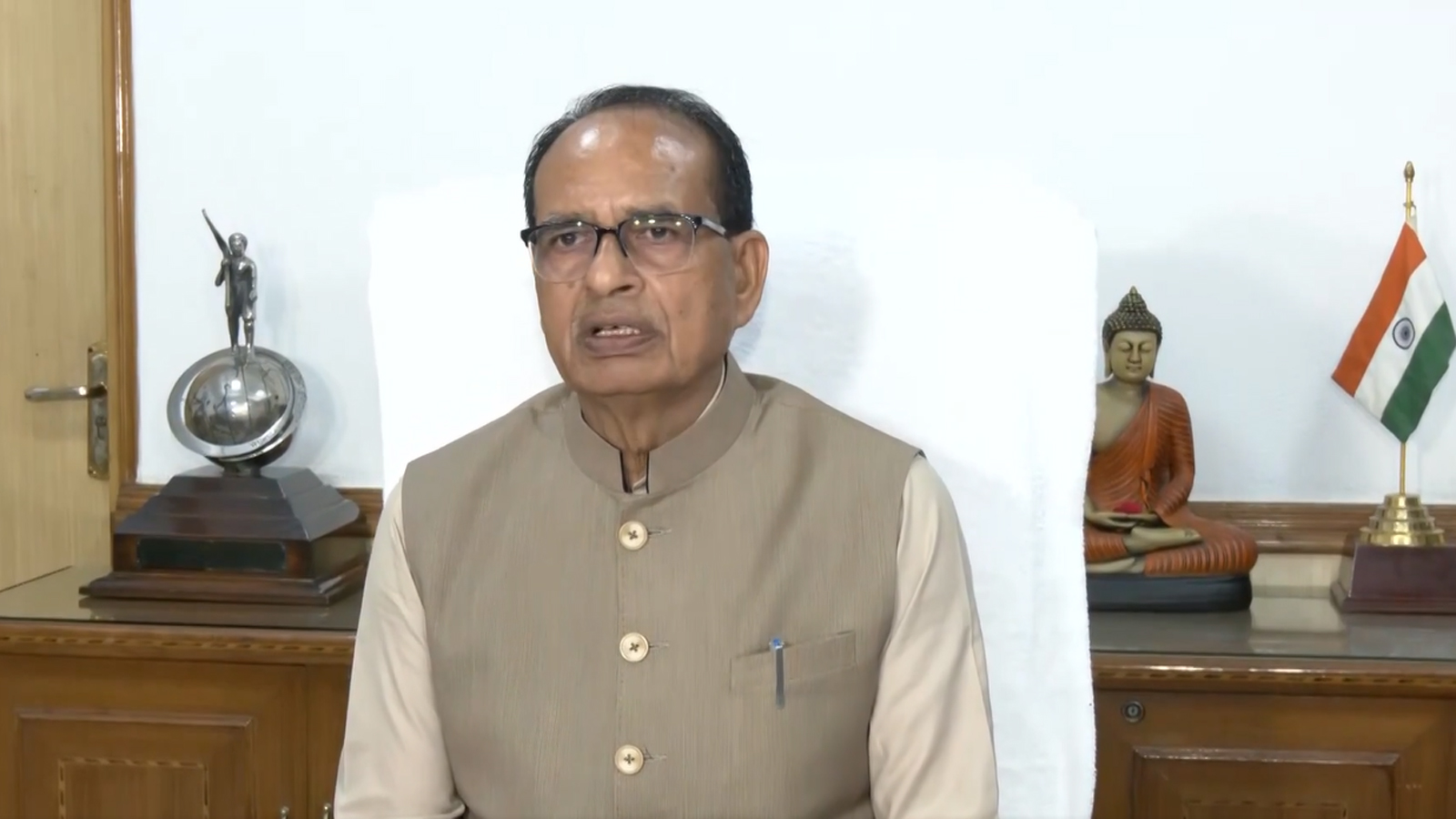
The Indian Council of Agricultural Research (ICAR) has developed 386 improved crop varieties across 44 crops over the past year, with 94 per cent being climate-resilient and 29 biofortified, said Union Agriculture and Farmers’ Welfare Minister Shivraj Singh Chouhan on Thursday.
Speaking at the 98th Foundation Day celebrations of ICAR in New Delhi, Chouhan described the premier agricultural research institution as the “trailblazer of India’s agricultural transformation”, crediting its scientific innovations for the country’s achievements in foodgrain, horticulture, milk and fisheries production.
Highlighting ICAR’s contribution to Indian agriculture, the Minister said the newly developed crop varieties are aimed at strengthening climate resilience, improving nutritional security and enhancing farm productivity.
Emphasising the complementary role of farmers and scientists, Chouhan said, “Farmers are the soul of agriculture, while scientists are its brain.” He called for demand-driven research, climate-resilient farming practices, self-reliance in pulses and oilseeds, quality agricultural education, commercialization of technologies and wider dissemination of innovations through the Krishi Vigyan Kendra (KVK) network.
The Foundation Day, observed annually on July 16, commemorates the establishment of ICAR in 1928. Over the past 98 years, the Council has played a key role in strengthening India’s agricultural research, education and extension systems, driving technological innovation, improving productivity and supporting national food and nutritional security.
Presenting ICAR’s annual achievements under the theme “Reflecting on 365 Days, Reimagining Agriculture for Viksit Bharat 2047,” Secretary, Department of Agricultural Research and Education (DARE), and Director General, ICAR, Dr. M.L. Jat said increased production in crops, horticulture, livestock and fisheries generated an additional economic value of nearly ₹1.70 lakh crore during 2025-26. Of this, agricultural research alone contributed an estimated ₹55,000 crore, underscoring the high returns on investment in agricultural science.
Dr. Jat said ICAR’s technologies reached nearly one crore farmers directly and more than five crore farmers through media and social media platforms during the year. He also highlighted that 18 international Memoranda of Understanding (MoUs) were signed to strengthen global collaboration in agricultural research and innovation.
The Foundation Day celebrations also witnessed the release of 43 improved crop varieties, 17 advanced agricultural technologies and 14 publications.
Among the technologies unveiled were new Basmati and climate-resilient rice varieties tolerant to saline and alkaline soils, export-oriented mango production technology, India’s first indigenous African Swine Fever vaccine, a Digital Swine Disease Atlas, and an affordable cassava harvester designed for smallholders.
In a major push to accelerate technology commercialization, 72 MoUs were signed with 51 industry partners, facilitating faster transfer of ICAR-developed technologies to farmers and other stakeholders.
The event also marked the regularisation of 150 temporary daily-wage workers, who received appointment letters during the ceremony.
Union Minister for Fisheries, Animal Husbandry and Dairying Rajiv Ranjan Singh called for expanding the reach of research through the KVK network to ensure faster transfer of technologies from laboratories to farmers, livestock keepers and fishers. He expressed confidence that the recently signed MoU between the Department of Animal Husbandry and Dairying and ICAR would strengthen research, innovation and technology dissemination.
Minister of State for Agriculture Ram Nath Thakur said the progress achieved in agriculture and dairy sectors reflected the government’s commitment to farmers’ welfare and rural prosperity, while Minister of State Bhagirath Choudhary emphasised the importance of science-led research, natural farming and farmer-centric innovations to tackle climate change, improve soil health and achieve self-reliance in pulses and oilseeds.
Minister of State for Fisheries, Animal Husbandry and Dairying Prof. S.P. Singh Baghel highlighted the role of advanced technologies such as sex-sorted semen, artificial insemination, embryo transfer, fisheries, natural farming, micro-irrigation and nano-fertilisers in enhancing farmers’ incomes and making agriculture more productive and sustainable.
The event was attended by senior government officials, former ICAR Directors General, Vice-Chancellors of agricultural universities, scientists, industry representatives, farmer organisations and students, reaffirming ICAR’s commitment to science-driven, climate-resilient and farmer-centric agricultural development as India moves towards the goal of Viksit Bharat 2047.


