







Railway Minister Ashwini Vaishnaw on Tuesday announced eight new structural reforms under the Centre’s ‘Reform Express’ initiative to modernise Indian Railways’ freight ecosystem, taking the total number of reforms implemented so far to 17 as part of the ministry’s target of introducing 52 reforms in 52 weeks.
Addressing the media at Rail Bhawan, Vaishnaw said the latest reforms are aimed at reducing logistics costs, improving supply chain efficiency, encouraging private investment, promoting cleaner freight transportation and accelerating project execution.
“The reforms announced earlier under the Reform Express initiative have already started yielding encouraging results. These new measures will further strengthen the railway ecosystem and build a future-ready freight network,” he said.
Cleaner fly ash transportation
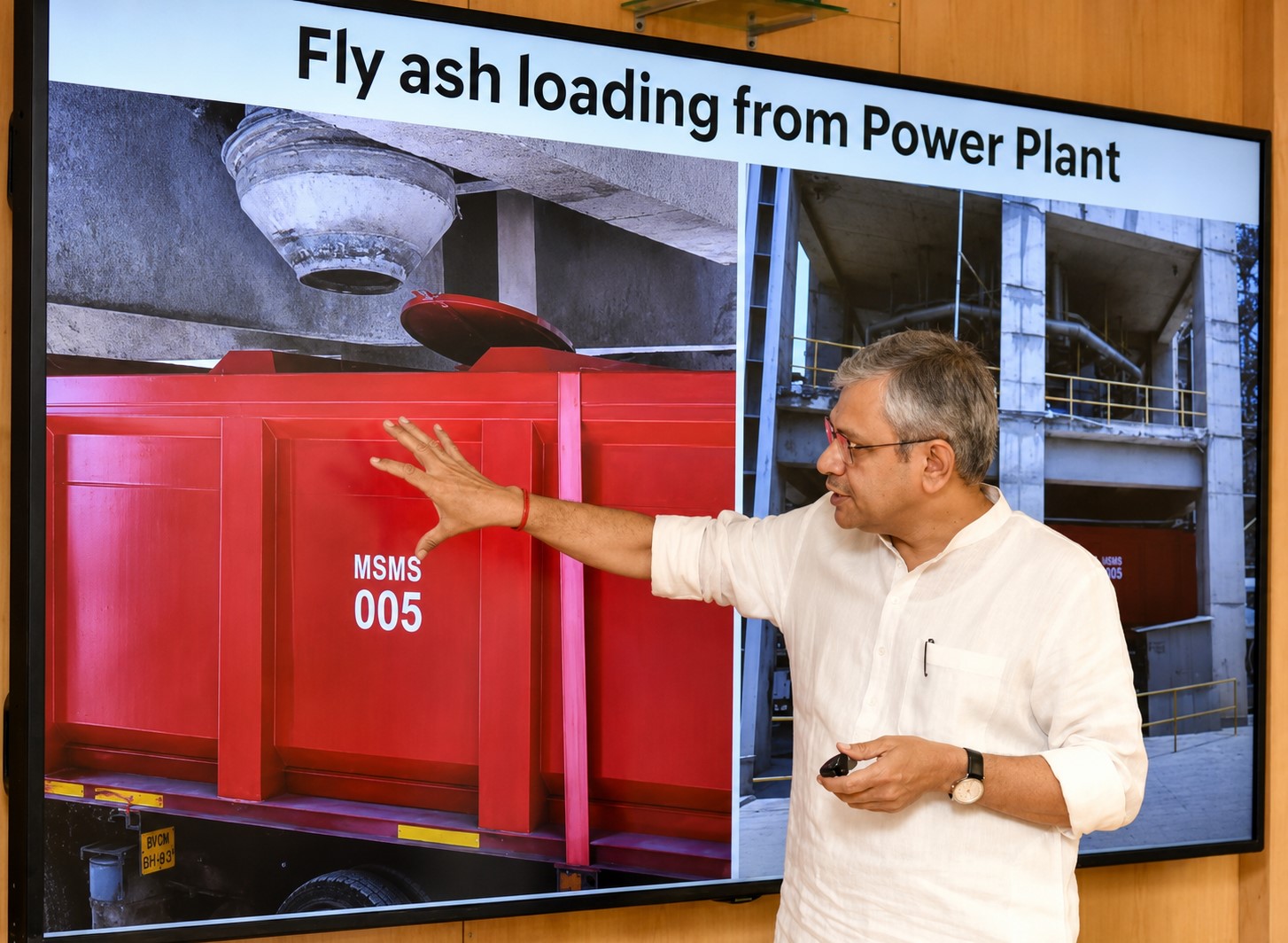
One of the key reforms introduces containerised transportation of fly ash, replacing the conventional use of open wagons that often resulted in dust pollution during loading, transit and unloading.
Vaishnaw said India generates around 340 million tonnes of fly ash annually, while Indian Railways transported about 13 million tonnes during FY 2025-26.
The new policy provides for ISO-standard closed containers that can be directly loaded at thermal power plants and unloaded without generating dust, improving logistics efficiency while reducing environmental pollution.
Unified container operator licence
Indian Railways has also overhauled the Container Train Operator (CTO) licensing framework by replacing the existing four-category system with a single Pan-India licence.
The reform removes category-based operational restrictions and introduces a uniform, non-refundable registration fee of ₹25 crore, replacing the earlier structure that ranged from ₹10 crore to ₹50 crore.
Officials said the simplified licensing regime is expected to improve ease of doing business, attract greater private participation, boost containerisation and lower logistics costs.
Simpler fertilizer movement
The Railways has simplified freight charges for fertilizer transportation by replacing nearly 50 freight slabs with a streamlined per tonne per kilometre tariff structure.
The reform also allows fertilizers to be transported through containers, enabling phased unloading and distribution instead of detaining an entire rake until complete unloading at a single destination.
According to the ministry, the move will improve wagon turnaround, protect fertilizers from weather-related damage and enhance logistics efficiency.
Certification of skilled workers
To improve quality and safety in railway construction projects, Indian Railways has introduced a comprehensive policy for certifying artisans engaged in specialised works such as welding, masonry and fitting.
Workers will undergo practical and oral assessments, and successful candidates will receive QR code-enabled certificates linked to a live verification database.
The policy will initially be implemented in major projects such as bridges and tunnels before being expanded across all railway zones over the next two years.
The ministry also announced a fresh set of reforms aimed at improving project execution and reducing disputes.
Under the new framework:
-Contractors will submit 10% performance security upfront instead of deductions from running bills.
-Contractors with litigation exceeding 50% of their net worth will be barred from participating in railway tenders.
-Contractor’s All Risk Insurance and Professional Indemnity Insurance have been made mandatory.
-A structured land handover mechanism has been introduced to reduce project delays.
Vaishnaw also highlighted Rail Bhoomi, a digital platform developed by CRIS to streamline land acquisition and project monitoring.
Industry-led wagon design
In another major reform, Indian Railways has opened up wagon design to private industry.
Instead of relying solely on the Research Designs and Standards Organisation (RDSO), manufacturers and industries will now be allowed to design specialised freight wagons tailored to different commodities, subject to testing, safety certification and Railway Board approval.
The minister said the policy is expected to spur innovation and support sectors including steel, petroleum, chemicals, milk and plastics.
Private participation in petroleum logistics
The Railways has also liberalised the transportation of petroleum, oil and lubricant (POL) products.
Oil companies will now be permitted to procure or lease specialised tank wagons and operate them on the Indian Railways network, replacing the earlier arrangement under which such wagons were owned exclusively by the Railways.
The ministry said the reform would improve logistics planning, reduce transportation costs and encourage greater movement of petroleum products by rail.
Simplified foodgrain transportation
Another reform simplifies freight charges for transporting foodgrains, flour and pulses by adopting a per tonne per kilometre pricing model.
The policy also promotes containerised movement, allowing sealed containers to be stored at buyers’ or sellers’ premises and unloaded according to demand, reducing contamination risks and improving operational flexibility.
Focus on rail-based freight
Vaishnaw said the latest reforms are designed to shift a larger share of freight traffic from roads to rail, noting that rail transport generates around 90% lower carbon emissions than road transport.
He added that expanding containerisation across more commodities would diversify Indian Railways’ freight basket beyond traditional bulk cargo while improving efficiency, sustainability and competitiveness.


