







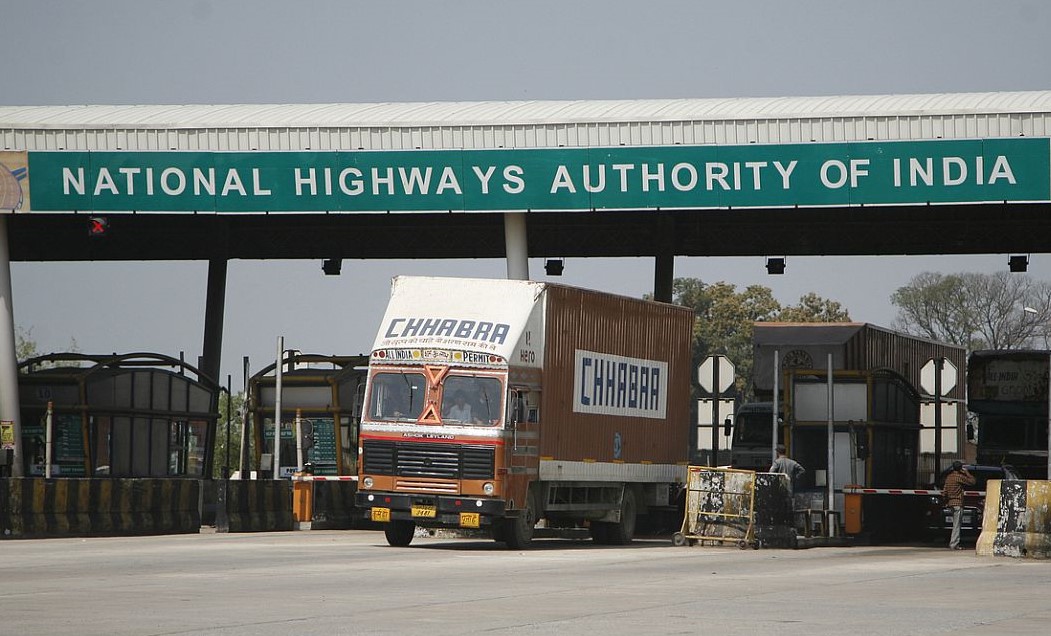
The National Highways Authority of India (NHAI) has issued comprehensive guidelines for the planning and design of high-speed, access-controlled national highways, excluding expressways, with a focus on safety, technology integration and sustainability.
The guidelines will apply to all upcoming four- and six-lane greenfield and brownfield high-speed, access-controlled national highways and are aimed at ensuring better planning and design while preparing the corridors for future traffic requirements.
Data-driven traffic planning
The guidelines emphasise comprehensive traffic assessment and future demand projections. Estimates will factor in existing and diverted traffic, along with expected growth in freight movement linked to economic and commercial activity. Toll data and other reliable sources will also be used to improve the accuracy of traffic projections.
Technology-enabled construction
The guidelines call for greater use of modern technology during construction to improve quality, accuracy and monitoring. Automated and Intelligent Machine-aided Construction (AI-MC) technology will be used for embankment and pavement construction in accordance with applicable Ministry of Road Transport and Highways (MoRTH) guidelines.
The guidelines also provide for the installation of Multi-Lane Free Flow (MLFF) tolling systems on high-speed corridors, in line with the government’s plan to transition towards such systems.
Landscaping and environmental measures
Landscaping and plantation will be integrated into project planning, with plantations proposed at suitable locations such as loop areas, below flyovers and in medians, taking into account local climate, topography and environmental conditions.
Drip irrigation systems will also be provided on highway medians to improve water efficiency and facilitate maintenance of plantations.
Improved drainage and water management
Comprehensive drainage planning will be made an integral part of the Detailed Project Report (DPR) process. The plans will identify rainwater disposal points and measures for safely managing water from the highway as well as surrounding areas.
Water-harvesting structures will be provided in loop areas and other suitable locations, particularly where there is no natural outlet for rainwater.
Special arrangements will also be made to manage water around underpasses, flyovers, depressed medians and other structures to prevent waterlogging and minimise damage to highway infrastructure.
NHAI said the guidelines are expected to support the development of safer, more sustainable and future-ready high-speed national highway corridors across the country.


