







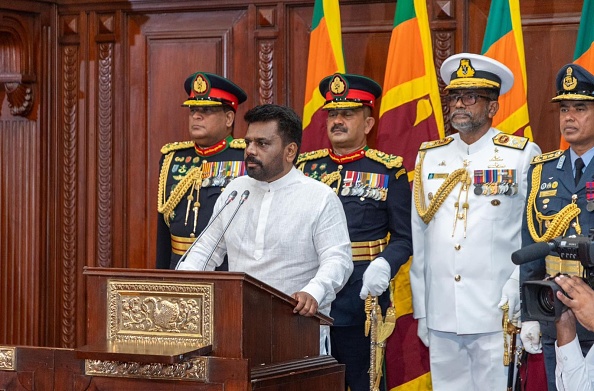
Sri Lanka will use upcoming budget on 12th November to convince investors its economic recovery can outlast a four-year International Monetary Fund bailout that is nearing an end, while trying to revive growth and cushion households from surging energy prices.
President Anura Kumara Dissanayake, who also holds the finance portfolio, will present the budget .His challenge will be to shift the economy from crisis-era stabilisation towards stronger investment and growth without undermining the fiscal discipline that helped pull the country back from its worst economic crisis in decades.
Sri Lanka’s economy has proved remarkably resilient to successive shocks. Economic activity have shown eleven consecutive quarters of strong growth while inflation remains in single digits. Forex reserves have increased, nearing US $ 7billion. Debt restructuring is largely completed. However, Sri Lanka continues to face downside risks from uncertainty over the duration and intensity of the Middle East war, global trade policy, and the impact of El Niño.
“Sri Lanka has restored macroeconomic stability, but stabilisation alone will not deliver sustained growth of 5 percent or more. Staying the course on the broader reform agenda is critical to transform macroeconomic stability into higher investment, exports, productivity, and jobs”, said Evan Papageorgiou, the IMF’s mission chief for Sri Lanka, in an interview.
The economic collapse in 2022 triggered mass street protests that forced then-President Gotabaya Rajapaksa, bringing an abrupt end to his presidency.


