







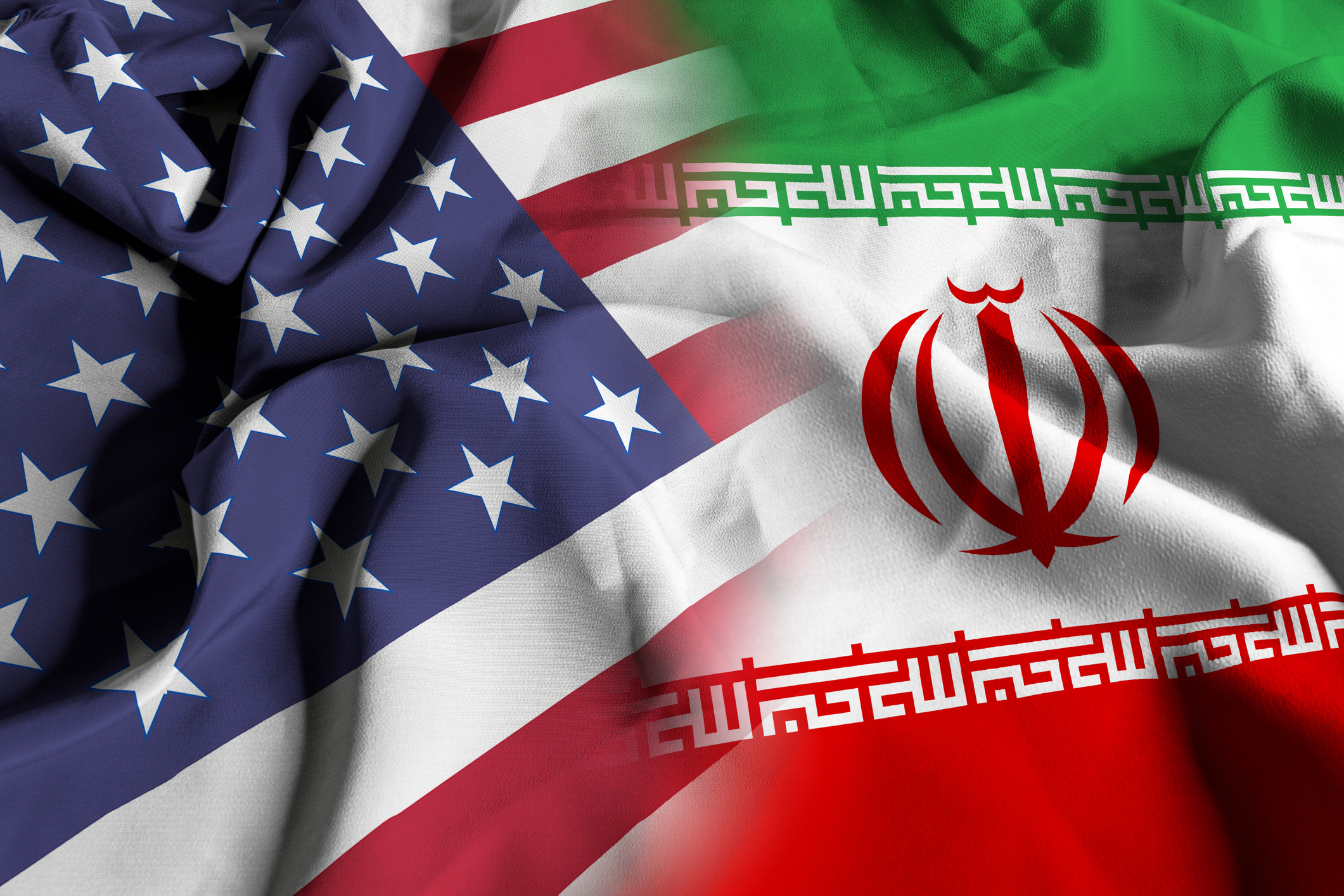
Iran’s top negotiators have arrived in Doha for high-stakes talks, even as both Washington and Tehran downplay hopes of an imminent breakthrough. Iran’s chief negotiator Mohammad Bagher Ghalibaf and Foreign Minister Abbas Araghchi arrived in the Qatari capital on Monday, with discussions focused on two central sticking points , the Strait of Hormuz and Iran’s highly enriched uranium stockpile. Iran’s central bank governor Abdolnaser Hemmati is also part of the delegation, with Iran’s frozen funds expected to feature in discussions as part of any eventual final agreement.
Both sides say progress is being made, but cautioned expectations sharply. Iran said on Monday that no agreement with the United States was imminent, despite progress toward a framework. President Donald Trump said any deal with Iran would have to be “great and meaningful,” adding that otherwise there would be no agreement. Secretary of State Marco Rubio said Washington would either reach a good agreement with Iran or deal with the country “another way,” adding that the United States would give diplomacy every chance before considering alternatives.
Iran is reportedly demanding the immediate release of 12 billion US dollars in frozen assets held in Qatar as a precondition for continuing talks with the United States.The issue of frozen funds is currently the main obstacle to advancing discussions on a potential memorandum of understanding between Tehran and Washington and Iran is seeking the full unfreezing of its overseas assets as part of any comprehensive agreement.Iranian Foreign Ministry spokesperson Esmaeil Baghaei said negotiators have made progress on several areas through mediated talks, but stressed that significant differences remain and a final agreement is not yet within reach.Meanwhile, US President Donald Trump has added new conditions to the diplomatic process, saying countries including Qatar, Egypt, Jordan, and Turkey should join the Abraham Accords as part of any broader regional settlement linked to a future Iran deal. He described the talks with Tehran as “proceeding nicely”.
On the ground, regional tensions continue despite ongoing diplomacy. Israel’s military has issued new evacuation orders in southern Lebanon, including areas outside its current zone of control, raising fresh concerns over the fragile ceasefire with Hezbollah.The US-mediated truce, which began on April 16 and has been extended into mid-May, has reduced large-scale fighting, but both sides continue to trade accusations of violations.


