







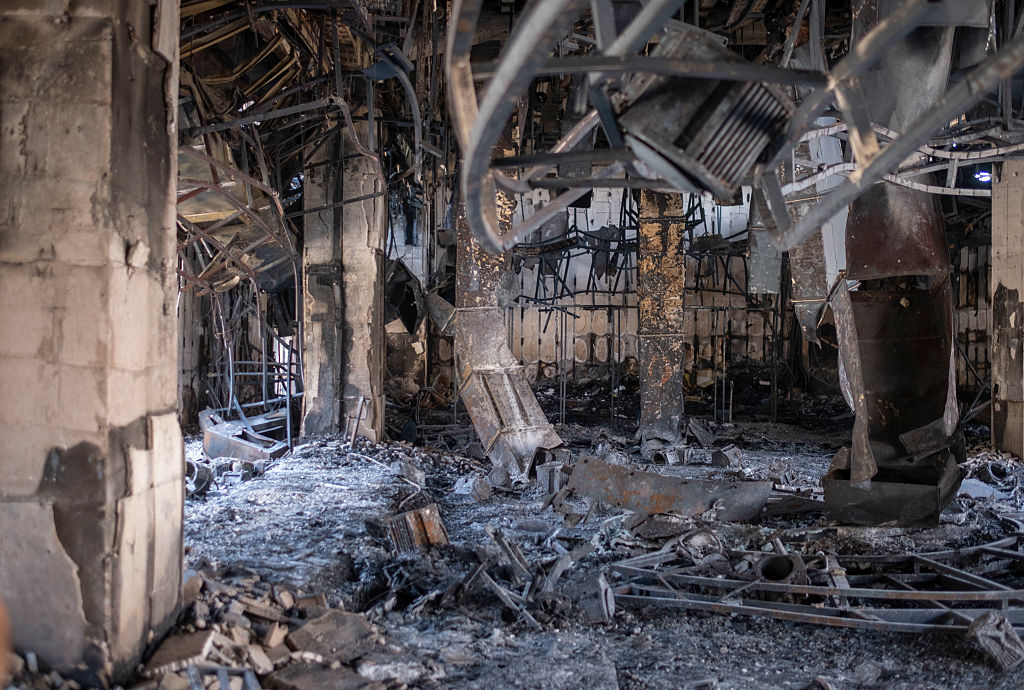
Indirect diplomatic negotiations between the United States and Iran have advanced significantly as both sides review a tentative sixty-day memorandum of understanding to extend the current ceasefire and reopen the Strait of Hormuz. United States Vice President JD Vance confirmed that negotiators are very close to an initial agreement, though final endorsement from President Donald Trump is still pending. Meantime, Iranian state media reports that no agreement has been finalized yet, emphasizing that Tehran requires concrete actions rather than words. The diplomatic push is being heavily supported by regional mediation, including recent direct consultations between the United States and Qatar.
Against this backdrop, Gulf Cooperation Council nations are moving with urgency. For these capitals, a collapse of the ceasefire is not a diplomatic setback – it is an existential one. Their critical infrastructure, desalination plants, and shipping lanes remain directly exposed.Qatar has deployed specialised mediation teams to Tehran to resolve the final sticking points over maritime rules in the Strait of Hormuz. Doha is also working to establish a structured escrow mechanism to channel any released Iranian funds strictly toward humanitarian goods – an arrangement designed to reassure a sceptical Washington while giving Tehran the economic relief it is demanding upfront.
A further complication lies in the Lebanese dimension. Tehran has pushed for the MoU to cover all regional fronts, but Israel’s continued military operations and displacement orders in southern Lebanon create a significant disconnect. The MoU, as currently drafted, effectively leaves the situation in Lebanon unchanged – meaning a flare-up involving a third party could unravel the entire framework at any moment.
US Vice President JD Vance has acknowledged the difficulty, saying “these ceasefires are always a little messy,” while confirming the truce technically remains in place. Secretary of State Marco Rubio, speaking from a NATO summit in Sweden, said the US was still awaiting Iran’s response to the latest terms conveyed through mediators, describing the situation as showing “some slight progress.” The region is neither at war nor at peace. The question now is whether the framework holds long enough to become a bridge – or whether the draft simply dissolves under the weight of mutual distrust.


