







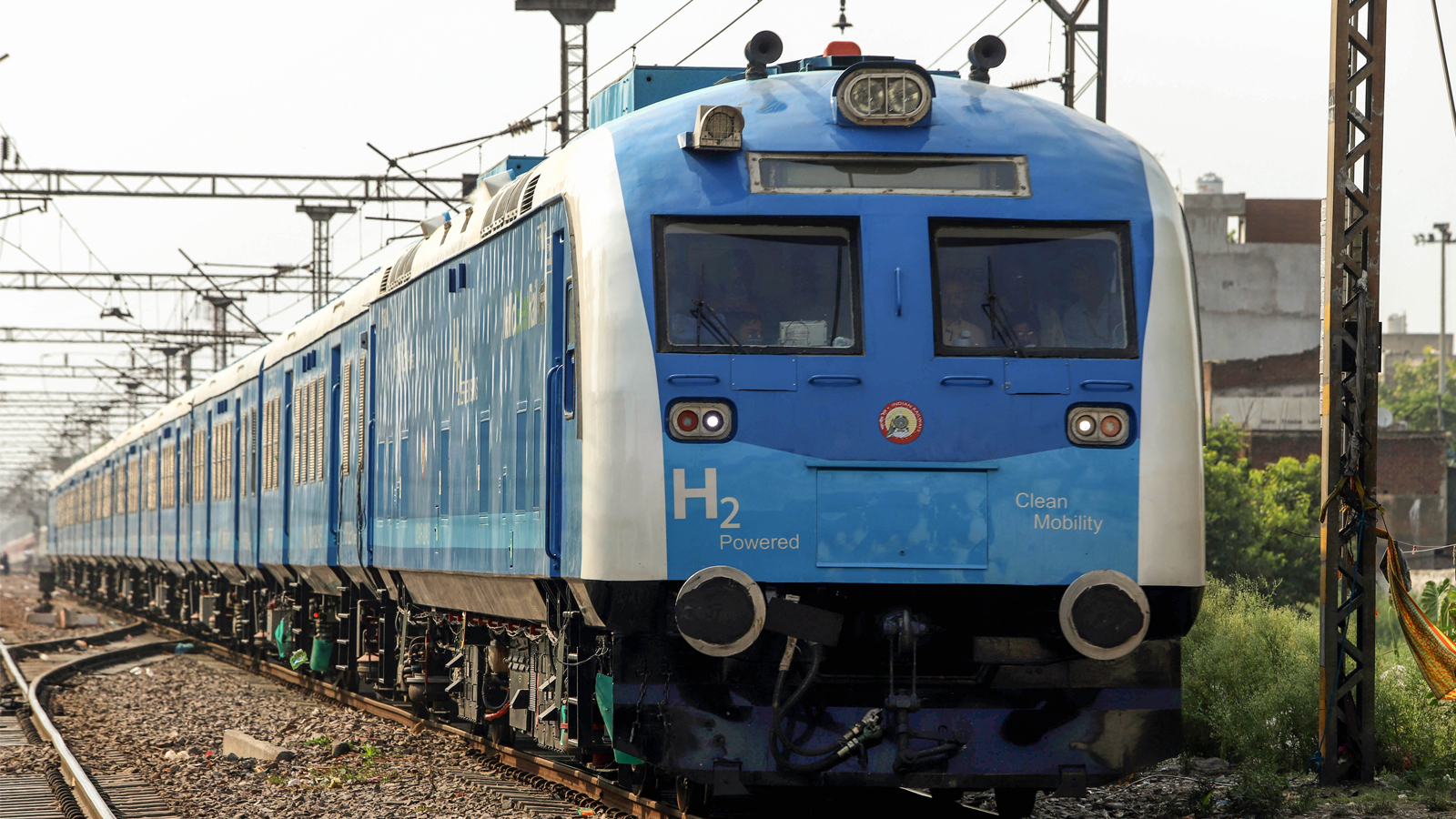
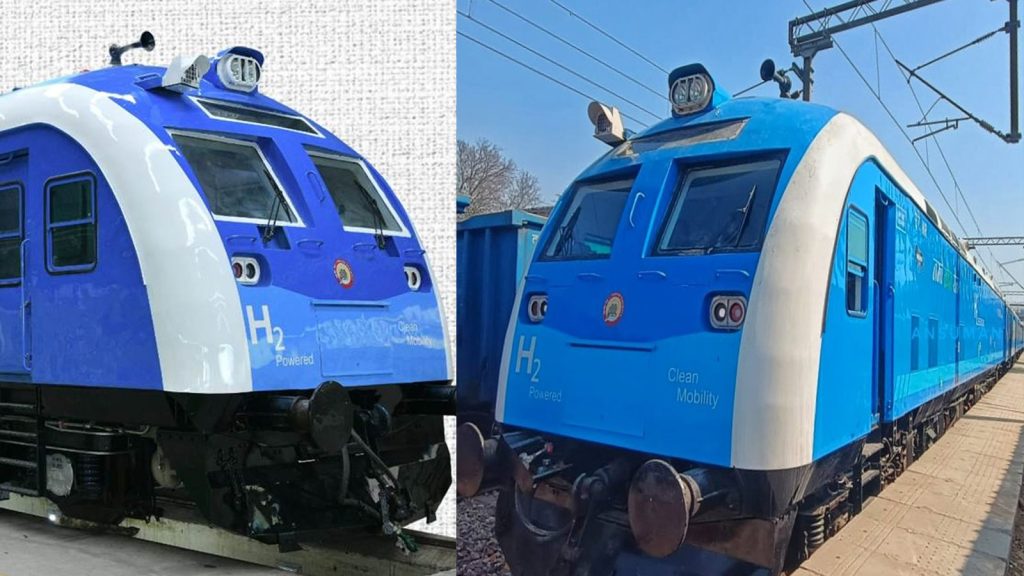
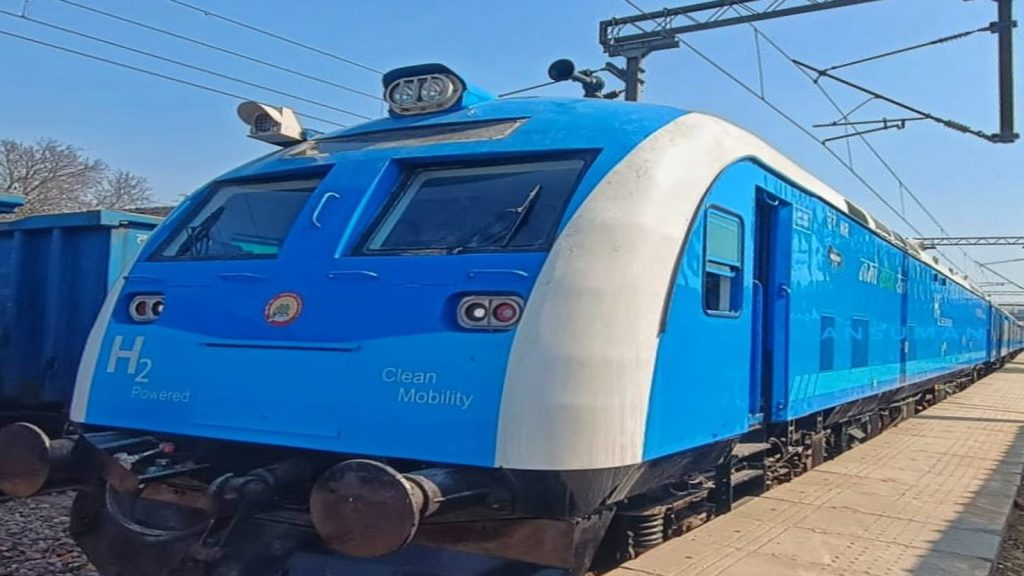
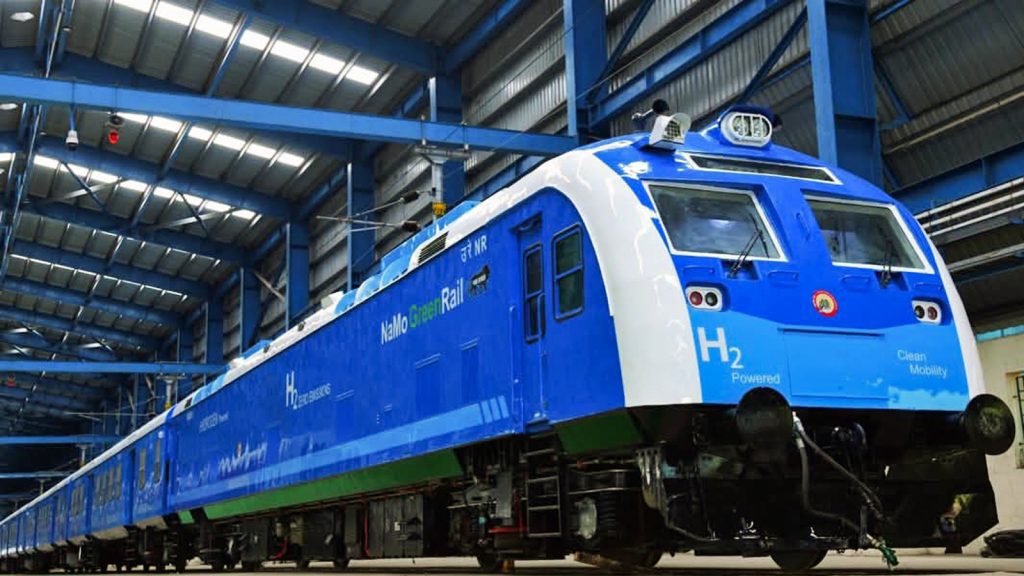
Indian Railways is set to enter a new era of clean and sustainable transportation on Friday with the launch of India’s first indigenous hydrogen-powered train. Scheduled to operate on the Jind-Sonipat section of Northern Railway, the project marks the country’s first major step towards adopting hydrogen fuel cell technology for rail transport and places India among a select group of nations exploring hydrogen-powered rail mobility.
Developed as a pilot initiative, the project combines indigenous technology, dedicated hydrogen infrastructure and a comprehensive safety framework to demonstrate the feasibility of clean rail transportation in India. Designed entirely within the country under the technical guidance of the Research, Design & Standards Organisation (RDSO), the project reflects the vision of Atmanirbhar Bharat while supporting the National Green Hydrogen Mission and India’s long-term net-zero carbon emission goals.
What Makes India’s First Hydrogen Train Different?
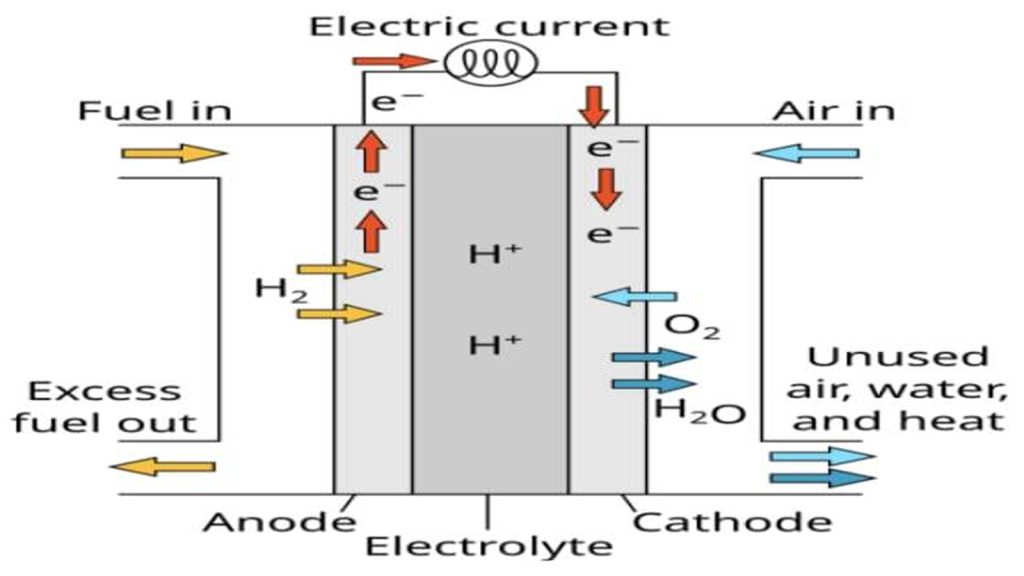
Unlike conventional diesel locomotives, the hydrogen-powered train generates its own electricity onboard using hydrogen fuel cells. Instead of burning fossil fuels, it produces electricity through a chemical reaction between hydrogen and oxygen, making it one of the cleanest propulsion technologies currently available for rail transport.
With its inauguration, India joins countries such as Germany, Japan, China and the United States, which are exploring hydrogen-powered railway systems. As the technology is still at a nascent stage globally, the pilot project is expected to provide valuable operational experience for future expansion of hydrogen-based rail mobility.
Key Features of the Hydrogen-Powered Train
The train has been developed entirely in India, from the design stage to prototype manufacturing, based on technical specifications approved by RDSO.
Some of its major features include:
* A 10-coach hydrogen fuel cell-based trainset.
* A 1,200 kW hydrogen fuel cell propulsion system.
* An approved maximum operating speed of 75 kmph, with a design speed of 110 kmph.
* Passenger capacity of around 2,600 people.
* Operations on the Jind-Sonipat section connecting Jind Junction, Gohana Junction and Sonipat, while serving intermediate stations.
The train will halt at Jind City, Pandu Pindara Junction, Lalit Khera Halt, Bhambhewa, Isapur Kheri Halt, Butana Halt, Khandrai Halt, Rabrah Halt, Lath Halt, Mohana, Barwasni Halt and Sonipat New.
How Does Hydrogen Fuel Cell Technology Work?
At the heart of the train is the Proton Exchange Membrane Fuel Cell (PEMFC), which generates electricity by reacting hydrogen with oxygen across a proton-conducting Perfluorosulfonic Acid (PFSA) polymer membrane.
The process produces only water vapour and heat as byproducts, eliminating harmful emissions associated with conventional diesel-powered locomotives.
Hydrogen also offers a significantly higher energy density than diesel. According to Indian Railways, hydrogen provides 120 megajoules per kilogram (MJ/kg) of energy compared to 43 MJ/kg for diesel, while also requiring lower maintenance and offering a manageable carbon footprint.
Dedicated Hydrogen Infrastructure at Jind
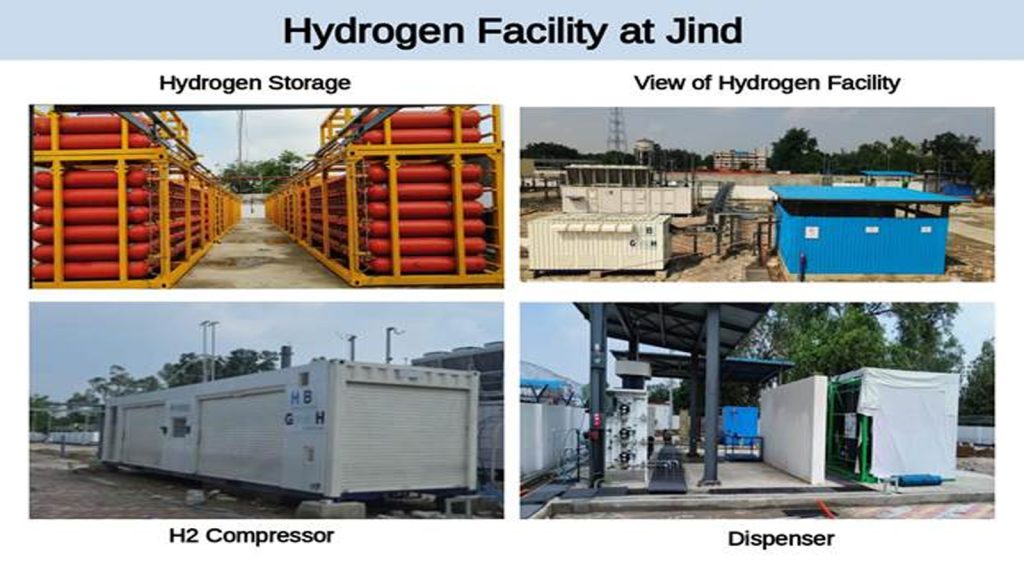
Supporting the country’s first hydrogen train is India’s largest railway hydrogen storage and refuelling facility, established at Jind in Haryana.
The indigenous facility has the capacity to store nearly 3,000 kilograms of hydrogen at any given time to support train operations.
The Petroleum and Explosives Safety Organisation (PESO) has granted the required licence for the storage and dispensing of compressed hydrogen gas at the site.
The hydrogen ecosystem has been designed according to internationally accepted safety standards, including NFPA-2 (National Fire Protection Association) guidelines and the ISO 19880 Series standards. In addition, the entire system has undergone an independent third-party safety assessment by TÜV SÜD, Germany, one of the world’s leading technical inspection and certification agencies.
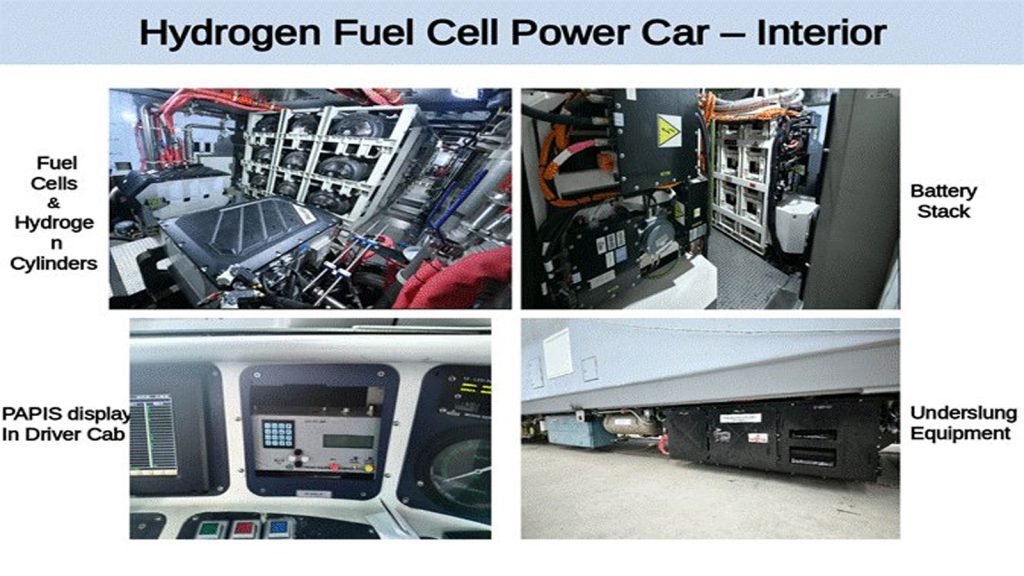
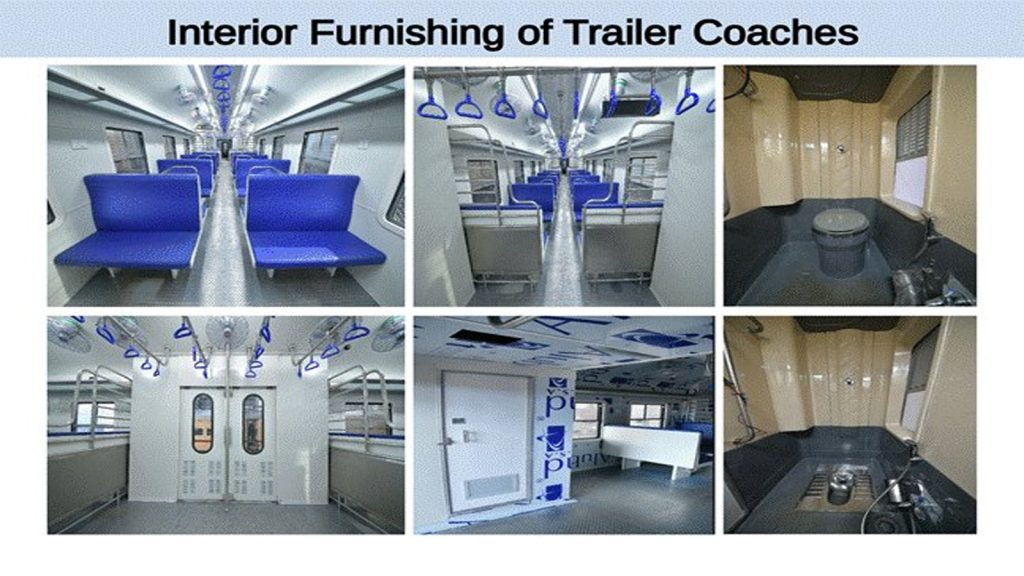
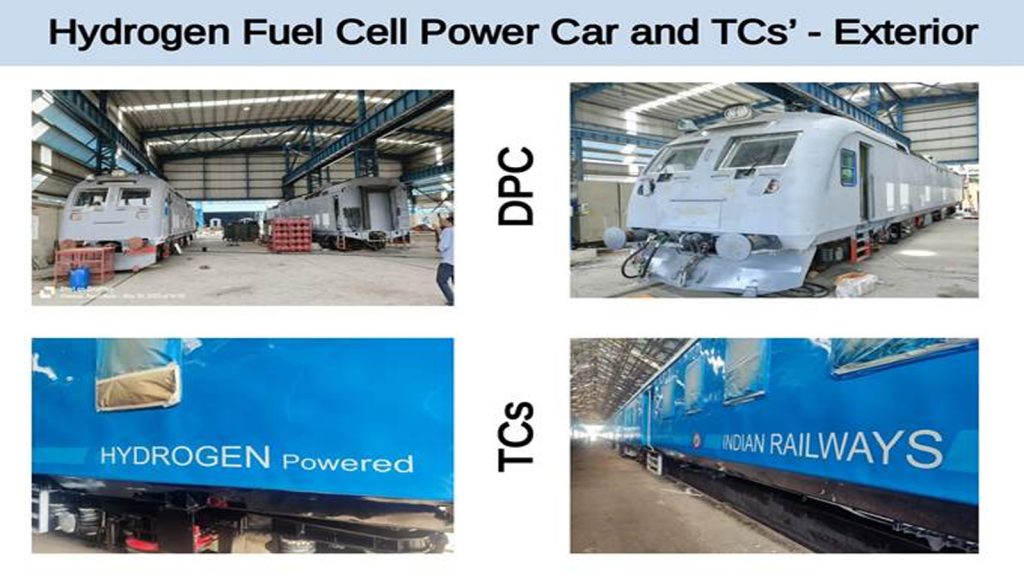
The train itself consists of two Hydrogen Driving Power Cars (DPCs) and eight Trailer Coaches (TCs). Each driving power car houses hydrogen fuel cells, Lithium Iron Phosphate (LFP) batteries and hydrogen storage cylinders.
The refuelling facility is equipped with:
* A hydrogen compression system for refuelling operations.
* Technical support systems and critical spare components.
* A standby compressor to ensure uninterrupted refuelling.
Together, these facilities create an integrated ecosystem for safe and efficient hydrogen-powered railway operations.
Safety Systems Built into Every Stage
Indian Railways has established a comprehensive operational and safety framework to support hydrogen train operations, with multiple independent systems designed to continuously monitor hydrogen storage, transfer and utilisation.
Operational preparedness includes:
* Standard operating procedures, regular audits and prescribed safety provisions.
* A dedicated maintenance facility at Shakurbasti, Delhi, prepared specifically for hydrogen train operations.
* Trained and certified personnel to manage critical operations.
* Technical staff accompanying the train during its initial phase.
* Round-the-clock monitoring of the hydrogen refuelling system.
Safety measures include:
* Hydrogen leak detectors at production, storage and dispensing facilities.
* Continuous flame detection systems.
* Regular inspection and cleaning of safety sensors.
* Non-stop ventilation throughout the train.
* Automatic shutdown of the hydrogen supply if heat, flame or smoke is detected.
* A special emergency operating mode in the Loco Pilot’s cabin to move the train to safety.
* A real-time system health display available to the Loco Pilot.
* Prescribed inspection and maintenance schedules to ensure safe operations.
* A Foundation for Future Green Rail Mobility
The hydrogen-powered train represents more than the introduction of a new train service. It establishes the infrastructure, operational procedures and technical capabilities needed to support future hydrogen-powered rail operations in India.
The pilot project will help validate hydrogen propulsion technology, operating procedures and maintenance practices while strengthening institutional expertise in this emerging field.
As Indian Railways continues its modernization drive, the initiative lays the foundation for wider adoption of hydrogen-powered mobility, contributing to cleaner transportation, improved energy efficiency and environmentally responsible railway operations in line with the vision of Viksit Bharat.


