







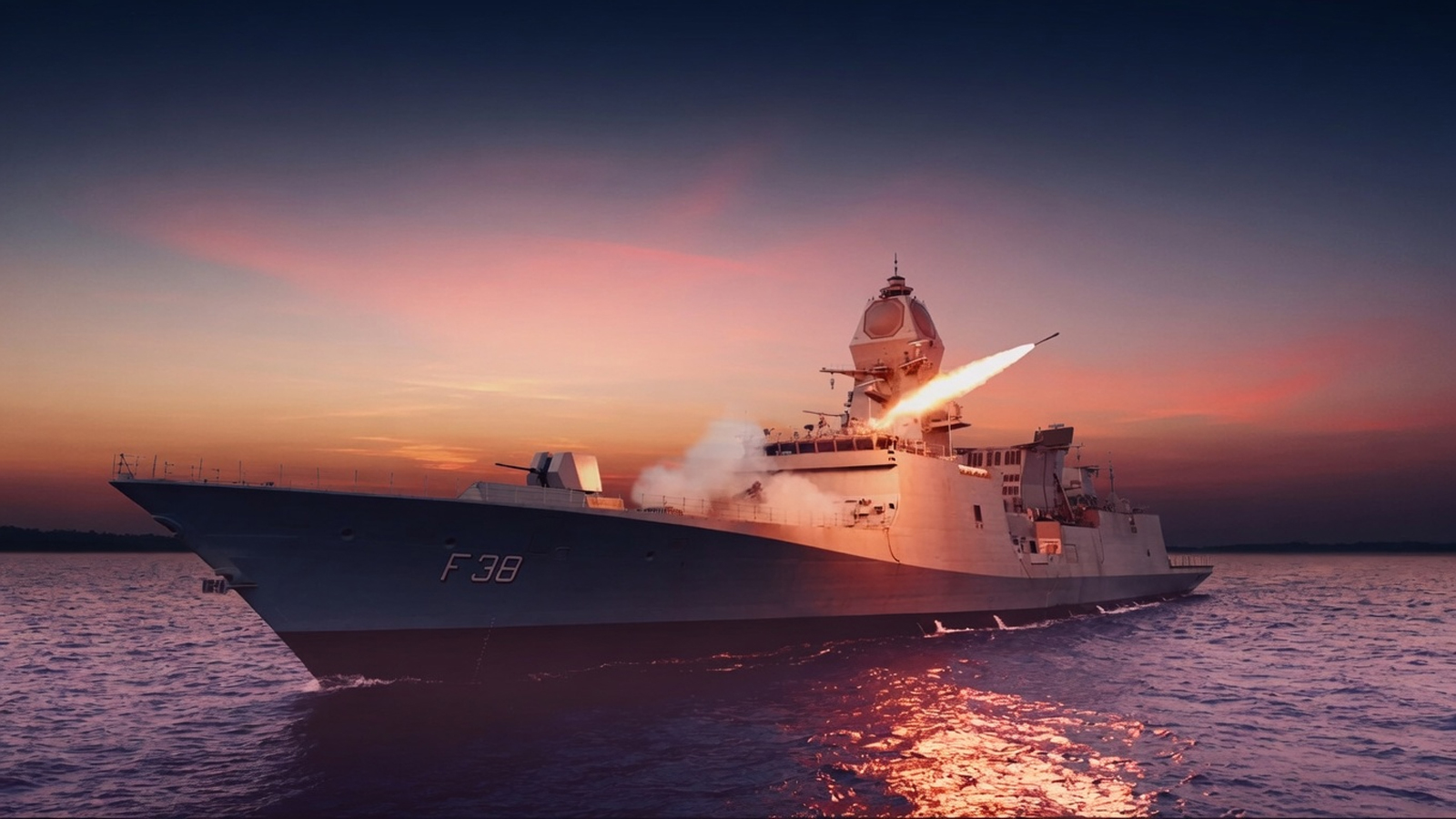
India’s maritime capabilities have entered a new era under the leadership of Prime Minister Narendra Modi, with the rapid expansion of indigenous naval assets reinforcing the country’s emergence as a leading maritime power. Guided by the vision of Aatmanirbhar Bharat and the strategic doctrine of SAGAR (Security and Growth for All in the Region), the Government has significantly strengthened the Indian Navy through cutting-edge, domestically designed warships that safeguard national interests while boosting indigenous defence manufacturing.
The recent commissioning of INS Mahendragiri following the induction of INS Dunagiri, INS Sanshodhak and INS Agray, marks another milestone in India’s remarkable journey towards self-reliance in defence production. Together, these next generation vessels represent three critical pillars of India’s maritime security architecture like surface combat, hydrographic survey and coastal anti-submarine warfare, creating a robust and layered defence shield across the Indian Ocean Region.
India’s strategic location and growing economic influence make maritime security indispensable. With a coastline stretching over 11,000 kilometres, an exclusive economic zone covering nearly 2.4 million square kilometres and around 90 percent of the country’s trade by volume moving through sea routes, the need for a modern and capable navy has never been greater. Recognising this strategic imperative, the Modi Government has consistently invested in strengthening indigenous naval capabilities, reducing import dependence and transforming India from a buyer of warships into a global builder of advanced naval platforms.
At the forefront of this transformation are the Project 17A Nilgiri-class stealth frigates among the most sophisticated warships ever built in India. Designed by the Indian Navy’s Warship Design Bureau and constructed by Indian shipyards, these stealth frigates integrate advanced missile systems, state of the art sensors, modern aviation facilities and superior stealth technology, enabling them to undertake complex multi-dimensional warfare. With their enhanced combat capabilities and high indigenous content, they significantly enhance India’s ability to safeguard its maritime interests and project strategic presence across the Indo-Pacific.
Complementing these frontline combat vessels are the Sandhayak class Survey Vessels, which are vital for mapping the seabed, producing accurate nautical charts and supporting safe navigation for both naval and commercial shipping. Their role extends beyond defence to strengthening the Blue Economy, facilitating offshore development, port expansion and maritime trade while enhancing India’s reputation as a trusted hydrographic partner for friendly nations in the Indian Ocean Region.
Closer to India’s coastline, the Arnala class Anti-Submarine Warfare Shallow Water Crafts provide an effective shield against underwater threats in shallow coastal waters. Equipped with advanced sonar systems, lightweight torpedoes and anti-submarine rockets, these agile platforms significantly strengthen coastal security while also supporting humanitarian assistance, disaster relief and search and rescue operations.
One of the most remarkable aspects of this maritime transformation is the emphasis on indigenous manufacturing. Built with high domestic content, these warships have strengthened India’s defence industrial ecosystem, creating thousands of skilled jobs while supporting hundreds of Micro, Small and Medium Enterprises (MSMEs). The government’s sustained focus on domestic production has also translated into record defence exports, reflecting growing international confidence in India’s defence manufacturing capabilities.
The expansion of indigenous naval platforms aligns seamlessly with Prime Minister Modi’s broader vision of making India a global manufacturing hub and a net security provider in the Indian Ocean Region. Through initiatives such as Aatmanirbhar Bharat, Make in India, SAGAR, and the recently unveiled MAHASAGAR (Mutual and Holistic Advancement for Security and Growth Across Regions) vision, India is deepening maritime partnerships, promoting regional stability and ensuring secure sea lanes for global commerce.
Beyond strengthening national defence, these modern warships contribute to economic growth, maritime diplomacy, disaster response and sustainable ocean development. Their induction reflects India’s growing technological capabilities and strategic confidence, reinforcing the country’s position as a responsible maritime nation with expanding global responsibilities.
As India continues its journey towards Viksit Bharat 2047, the steady induction of indigenous naval platforms stands as a testament to the nation’s technological progress, strategic foresight and unwavering commitment to self-reliance. Under Prime Minister Narendra Modi’s leadership, India’s maritime renaissance is not merely enhancing national security, it is also positioning the country as a formidable naval power and a trusted guardian of peace, stability and prosperity across the Indo-Pacific region. (Facts from PIB)


