







Asian shares drifted sideways on Monday while investors kept a wary eye on oil prices, which notched sizeable gains last week as the lack of progress towards ending the Iran war kept inflation risks tilted to the upside.
Progress towards peace talks and oil tanker traffic through the strategic Strait of Hormuz remained halted. Iran on Saturday called on the U.S. to accept defeat, while President Donald Trump urged Americans to accept higher gasoline prices while the conflict continues.
At least 11 people were killed in Israeli strikes in southern Lebanon on Saturday, the Lebanese health ministry said, some of the deadliest in the weeks since the country agreed to a U.S.-mediated peace framework with neighbouring Israel.
Brent crude was steady at $88.50 a barrel after rising 6% last week, while U.S. crude slipped 0.3% to $82.12 a barrel, having gained 5.4% last week.
“While there is still no resolution to the Iran/Hormuz impasse, our base case remains that oil prices will stay in a $70-$100 range with Iran preventing it going lower and the U.S. moving to try and calm things down whenever it gets above $100,” Shane Oliver, chief economist at AMP, said in a note.
“The risk remains that there will be no sustainable peace deal, the flow of oil out of the Middle East remains down 10%-15% on normal levels and that we will have to face higher oil prices as reserves run down.”
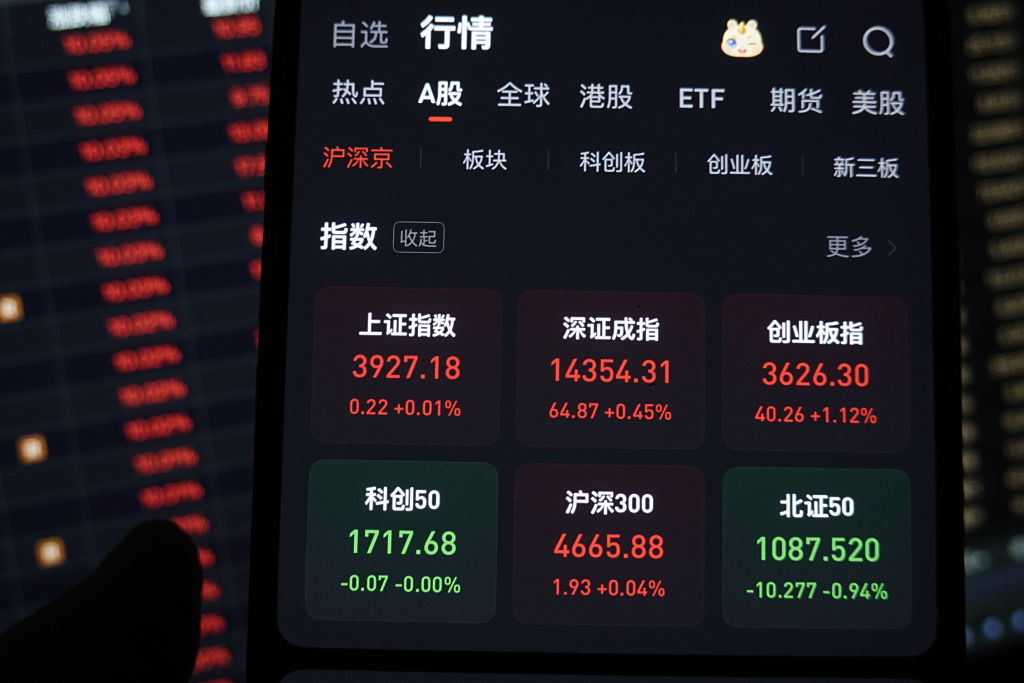
On Monday, MSCI’s broadest index of Asia-Pacific shares outside Japan was flat, while Japan’s Nikkei edged 0.4% higher. Australia’s resources-heavy shares slipped 0.3%.
South Korea’s stock markets are closed on Monday for a public holiday. Trump has instructed the Pentagon to substantially reduce joint military exercises with the country.
All eyes are on the release of China’s activity data for July on Monday after its exports boomed on robust global AI demand to support the world’s second largest economy. Forecasts are centered on a slowdown in industrial output growth to 4.8%, from 5.3% previously, while retail sales likely rose 1.5%.
For Europe, EURO futures rose 0.2%. S&P 500 futures gained 0.1%, having hit a record last week, while Nasdaq futures firmed 0.2%.
The bullish run in stocks has been driven by diminishing risk that the Federal Reserve will not raise interest rates next month, which is now seen as a 69% probability event after a slew of soft data.
U.S. retail sales posted the first decline in nine months in July and consumer sentiment soured by more than expected, adding to soft inflation readings that took out the impetus for the Fed to hike immediately.
The main data point this week is the August S&P Purchasing Managers’ Indices (PMIs) to see if the mid-year acceleration in U.S. business activity would be sustained. Earnings are lighter this week but include Home Depot, Target, Walmart as investors scrutinise the strength of U.S. consumers.
In bond markets, U.S. Treasury yields slipped on Monday after finishing last week mixed. The two-year U.S. Treasury yield fell 2 basis points to 4.156%, having fallen 3 basis points last week to touch a seven-week low of 4.0977%.
Ten-year yields slipped 1 basis point to 4.684%, after rising 4 basis points last week.
The soft run of data has weighed on the U.S. dollar, with the euro up 0.1% at $1.1578, just off a two-month peak of $1.1585. The dollar slipped 0.1% on the yen to 159.15.
In commodity markets, gold held at $4,381 an ounce, having climbed 0.8% last week.
(Reuters)


