






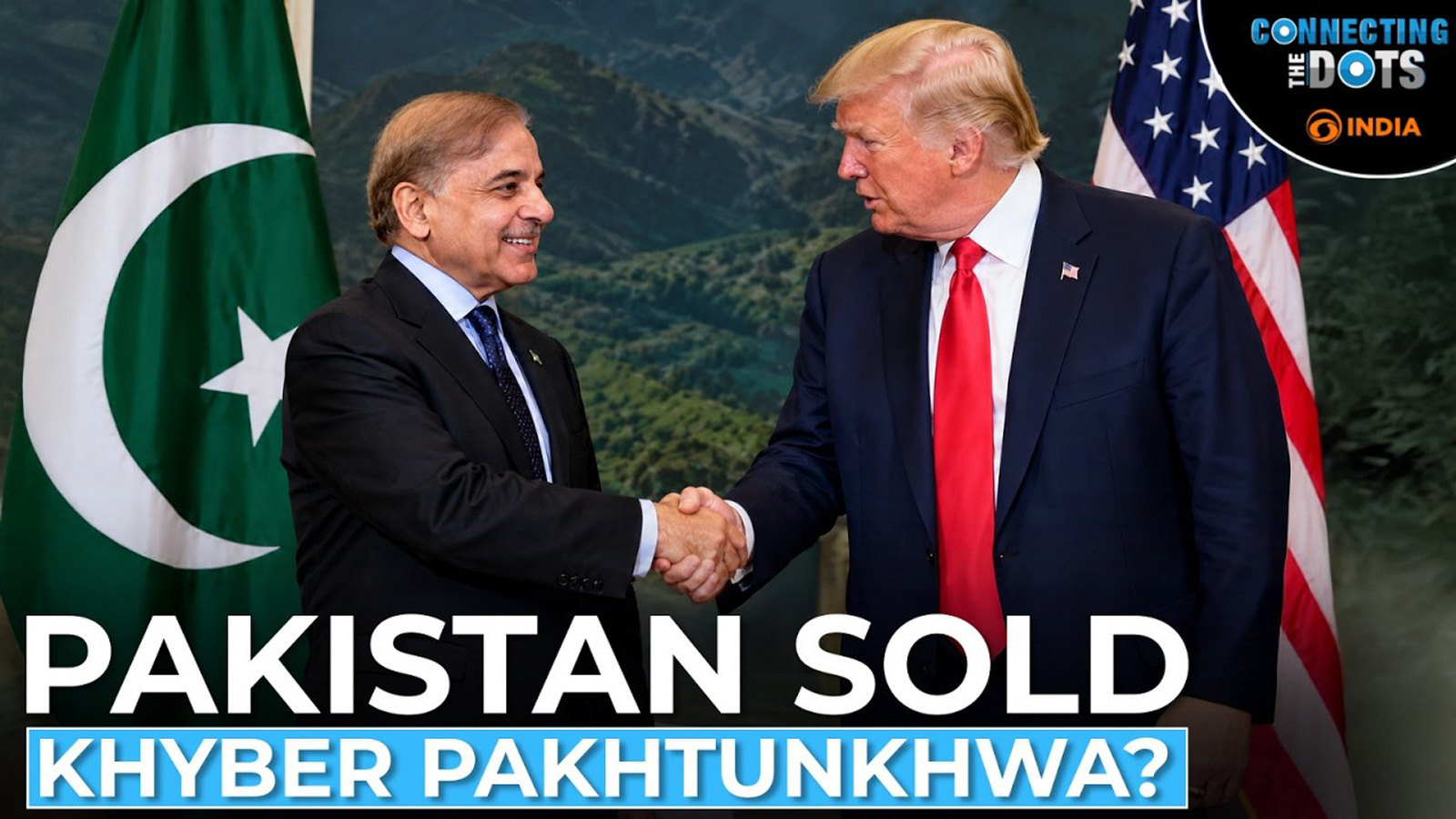
On October 11, 2026, Pakistan’s federal government imposed emergency and Governor’s Rule in Khyber Pakhtunkhwa, suspending the elected PTI government. Streets in Peshawar and other cities filled with protesters asking one question – why now?
The official reason given by Islamabad is terrorism and the provincial government’s alleged failure to cooperate in counter-terror operations. But the timing has raised serious questions.
Days before the emergency, US Chargé d’Affaires Natalie A. Baker publicly backed Pakistan’s mining sector. Washington signaled clear interest in the country’s mineral potential. Days later, the elected government of the mineral-rich province was gone.
Is that a coincidence? Or a calculated move?
Pakistan’s mineral wealth is often estimated at around seven trillion dollars – including copper, gold, rare earths, antimony, and tungsten. Experts say the real commercial value remains uncertain due to security challenges and lack of infrastructure, but foreign interest is real.
According to reports, the military-linked Frontier Works Organization (FWO) has already signed deals with U.S. firms such as U.S. Strategic Metals. Questions have also been raised about Army Chief Asim Munir’s alleged commitments on providing mineral access to the US.
The Shehbaz Sharif government has denied any link. Days after the emergency was imposed, Islamabad-appointed Governor Faisal Karim Kundi invited domestic and foreign companies to form joint ventures to extract the province’s minerals in the name of economic prosperity.
But for whom? For the people who have lived for years with violence and underdevelopment, or for the powerful establishment controlling the deals?
This is not a new pattern for Pakistan. In Balochistan, China has run the Saindak copper and gold project for years through its state companies. Local communities have long complained that they see little benefit while outsiders take the jobs and profits.
A province rich in resources still struggles with basic services, and protests over livelihoods and rights have often been met with heavy security responses. China in Balochistan, and now potentially America in Khyber Pakhtunkhwa – it appears like a resource auction, one province after another. For decades, successive governments and the military establishment have relied on force and central control instead of delivering real development, justice or local ownership.
Terrorism remains a genuine threat in Khyber Pakhtunkhwa. But using security as cover to suspend elected governments and open the ground to outside firms risks deepening the crisis. Jamiat Ulema-e-Islam (JUI-F) leaders called the emergency a move to bypass the province and capture its minerals. The PTI termed it politically motivated. The question remains – who will decide the future of Khyber Pakhtunkhwa’s resources? The people on the land, or the generals in Islamabad and their foreign partners?


