






Nepal is celebrating the New Year of the Newar community, with Nepal Sambat 1147 beginning today. The historic Basantapur Durbar Square in Kathmandu became the centre of celebrations, as thousands of people gathered for a colourful cultural procession. Members of different Newar groups, representing both Hindu and Buddhist traditions, came together to welcome the New Year and showcase their rich cultural heritage.
The celebrations began early in the morning, as thousands of people gathered at Basantapur Durbar Square to welcome Nepal Sambat 1147.
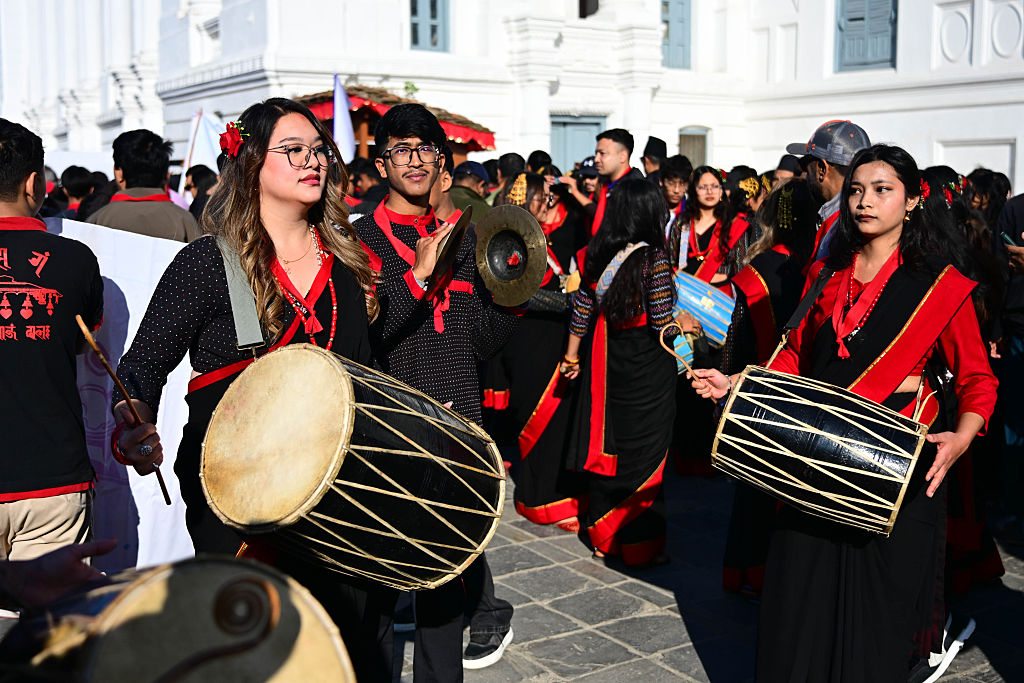
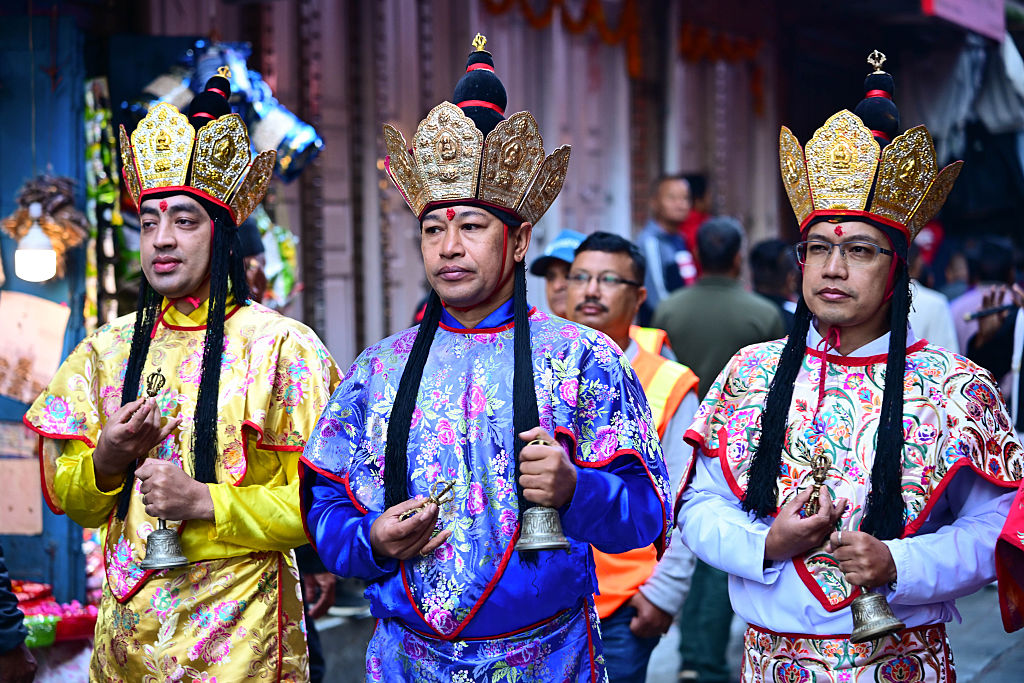
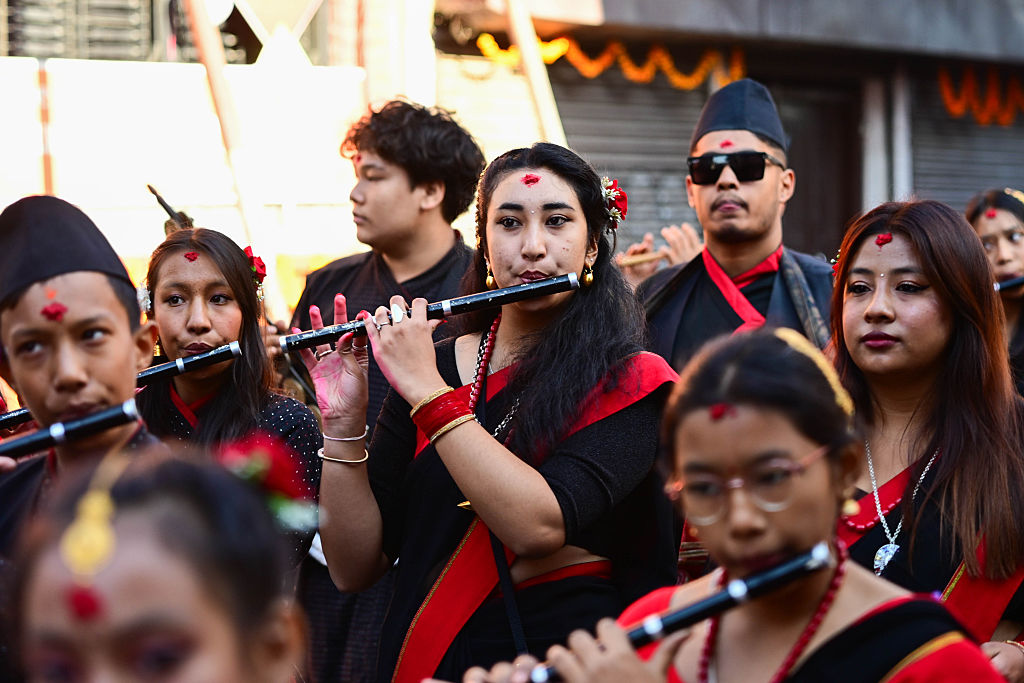
Dressed in colourful traditional attire, numerous groups from the Newar community took part in a grand cultural procession. Groups representing both Hindu and Buddhist traditions participated in the celebrations, bringing the historic streets alive with colours, music and festivities.
The rhythmic beats of Dhime drums, flutes and other traditional instruments filled the air. Traditional songs, dances and cultural performances added to the festive spirit, offering a glimpse of the rich cultural heritage of the Newar community.
For the Newar community, this is much more than the beginning of a new calendar year. The celebrations are an important part of Swanti, the Newar tradition associated with Tihar. Its three principal days are marked by Lakshmi Puja, Mha Puja and Kija Puja, popularly known as Bhai Tika.
Mha Puja, meaning worship of the self, is observed on the New Year, with prayers for good health, happiness and prosperity.
The beginning of Nepal Sambat also carries a remarkable story of generosity and social welfare.
The calendar is traditionally associated with Shankhadhar Sakhwa, a philanthropist and merchant from the Kathmandu Valley. Historical accounts credit him with initiating the calendar in 880 AD after freeing people from their debts.
His contribution is remembered as a symbol of generosity, and Nepal Sambat continues to hold a special place in the history and cultural identity of the Newar community.
From traditional costumes and indigenous music to colourful processions and cultural performances, the celebrations brought together people of different generations and communities.
As Nepal Sambat 1147 begins, the festivities reflect the enduring spirit of the Newar community and its efforts to preserve its language, customs and centuries-old cultural traditions for future generations.


