







Nagpur has emerged as a model for scientific urban waste management after transforming the Bhandewadi legacy dumpsite into a modern integrated waste processing facility under the Swachh Bharat Mission–Urban 2.0, the Centre said on Wednesday.
The initiative forms part of the government’s Lakshya Zero Dumpsite campaign, which aims to scientifically remediate legacy waste dumps across the country through bio-mining, advanced waste processing technologies and systematic landfill reclamation.
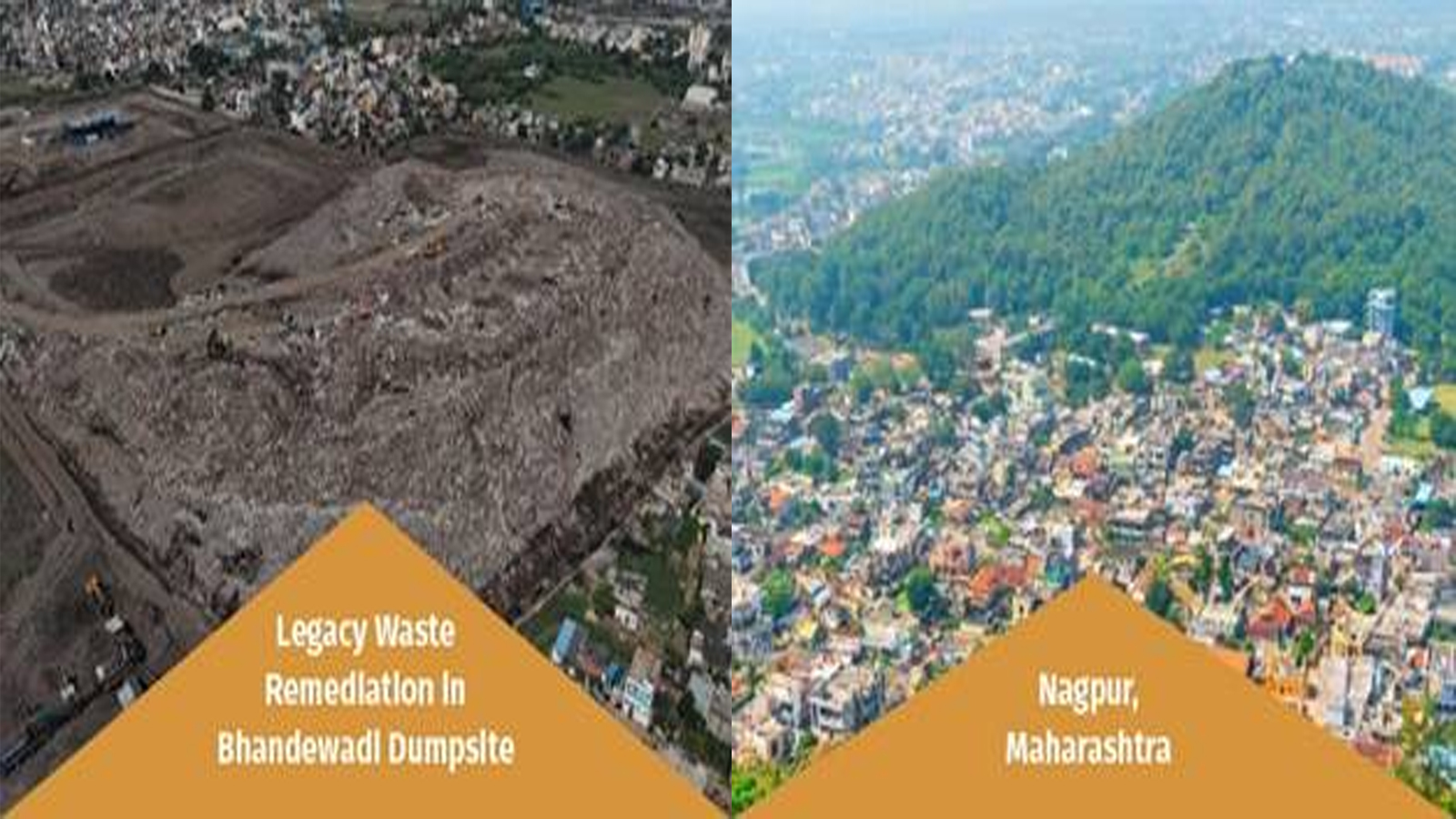
According to the Ministry of Housing and Urban Affairs (MoHUA), Nagpur Municipal Corporation (NMC) undertook the large-scale remediation of the Bhandewadi dumpsite to address the environmental challenges posed by decades of accumulated municipal waste.
With a population of more than 30 lakh, Nagpur has witnessed rapid urbanisation and a steady rise in municipal solid waste generated from households, markets, commercial establishments, institutions and public spaces. For years, much of this waste was disposed of at the Bhandewadi dumping yard, eventually creating one of the city’s largest legacy waste sites.
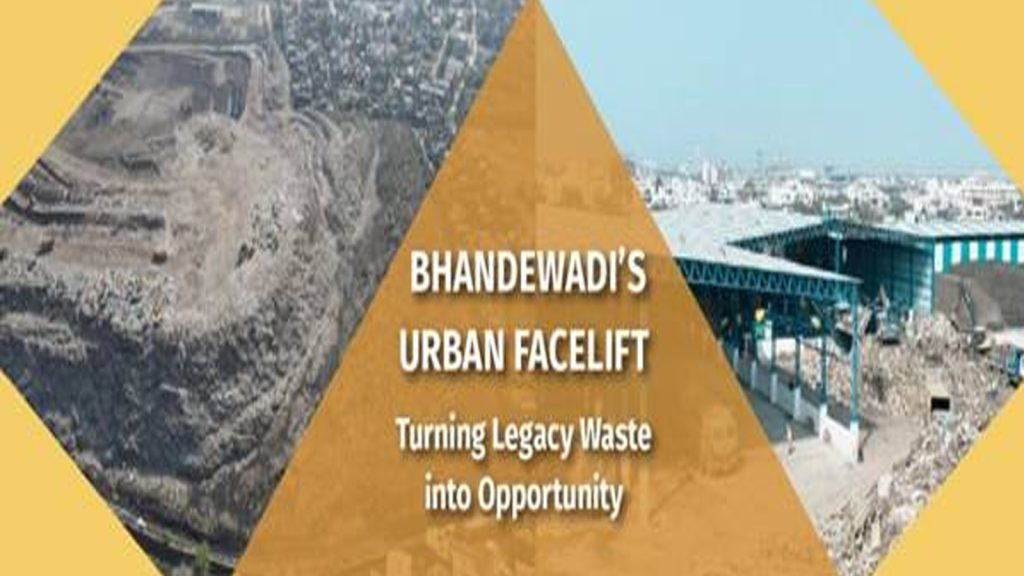
To address the problem, the civic body implemented a scientific remediation programme involving the excavation, segregation and processing of more than 10 lakh metric tonnes of legacy waste. The exercise not only eliminated a major environmental hazard but also reclaimed around 55 acres of land that had been buried under decades of accumulated waste.
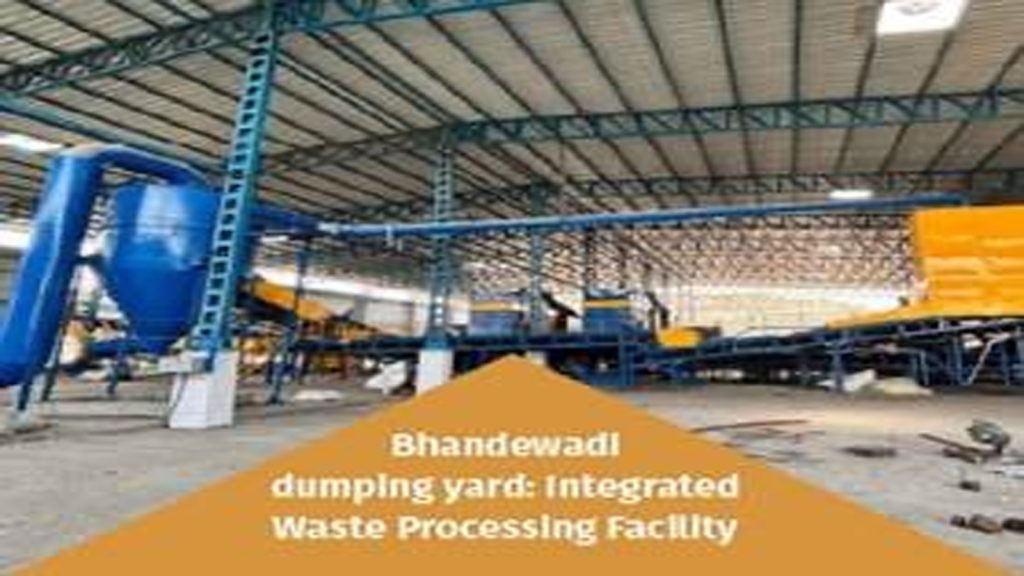
Following the remediation, the reclaimed site has been converted into an integrated Municipal Solid Waste Processing Facility equipped with Material Recovery Facilities (MRFs), composting units, Refuse-Derived Fuel (RDF) generation systems, leachate treatment infrastructure and environmental monitoring systems.
MoHUA said the facility reflects a shift from conventional waste disposal to a circular economy model in which waste is treated as a recoverable resource rather than a liability.
The project also incorporates several technological innovations to improve efficiency and environmental compliance. Equipment such as trommels, ballistic separators, SCADA-based monitoring systems, CCTV surveillance and dust suppression mechanisms have been deployed to enhance waste processing and enable real-time operational monitoring.
The transformation has produced significant environmental benefits, including reduced dependence on landfills, improved air, soil and water quality, and better public health conditions in nearby areas. Increased recycling and resource recovery have also strengthened the city’s sustainable waste management ecosystem.
In addition to the Bhandewadi project, Nagpur has expanded its waste management infrastructure by establishing composting plants, modular waste processing units, additional Material Recovery Facilities and Construction and Demolition (C&D) waste processing plants, further improving the city’s capacity to manage waste in a decentralised and scientific manner.
The Ministry said the Bhandewadi project demonstrates how scientific planning, technological innovation and sustained implementation can transform legacy dumpsites into modern waste management facilities, offering a replicable model for urban local bodies across the country striving to achieve the objectives of Swachh Bharat Mission–Urban 2.0 and the Lakshya Zero Dumpsite initiative.


