







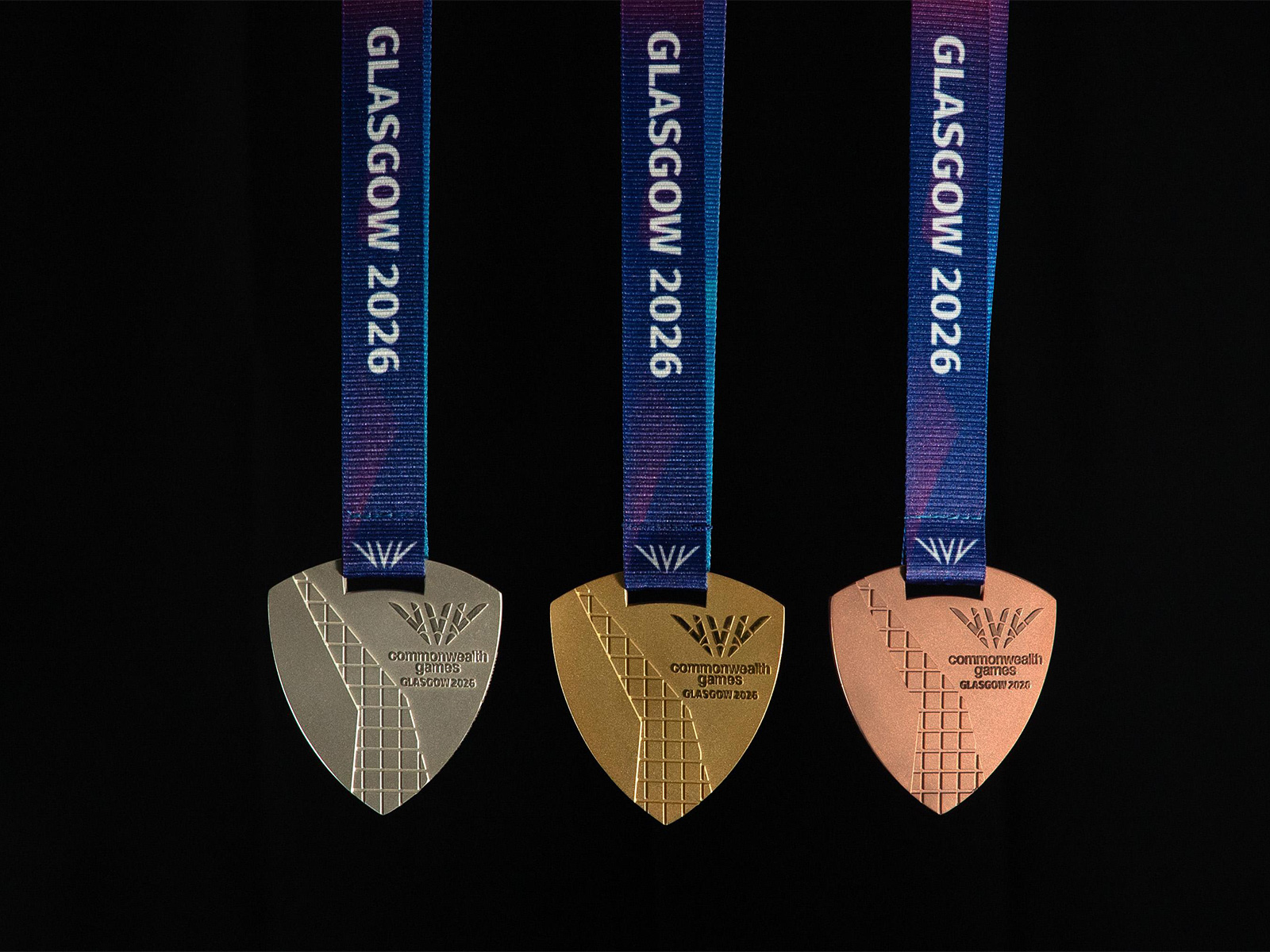
India concluded its campaign at the Commonwealth Games 2026 in Glasgow with 39 medals — 13 gold, 17 silver and nine bronze — to finish fourth in the overall standings despite competing in a significantly reduced programme that excluded medal-rich sports such as wrestling, badminton, table tennis, hockey and shooting.
The Indian contingent of 122 athletes competed across eight able-bodied sports and five integrated para sports from July 23 to August 2. Australia topped the medal table with 171 medals, followed by England (110) and Canada (62), while India and hosts Scotland both won 39 medals, with India taking fourth place by virtue of a higher silver-medal count.
Boxing emerged as India’s most successful discipline, accounting for 10 medals, including a record seven golds — the highest by any nation in boxing at a single Commonwealth Games. Gold medals came from Preeti Pawar (54kg), Jaismine Lamboria (57kg), Sakshi Chaudhary (51kg), Priya Ghanghas (60kg), Arundhati Choudhary (70kg), Sachin Siwach (60kg) and Ankush Panghal (80kg). Lovlina Borgohain claimed silver in the women’s 75kg category, while Jadumani Singh (55kg) and Narender Berwal (+90kg) also won silver.
Weightlifting contributed eight medals, including India’s first gold of the Games through Mirabai Chanu in the women’s 48kg event. The sport also produced six silver medals through Rishikanta Singh, Muthupandi Raja, Gyaneshwari Yadav, Valluri Ajaya Babu, Harjinder Kaur and Lovepreet Singh, while Bindyarani Devi secured bronze.
Athletics delivered 10 medals, comprising five silver and five bronze. Gulveer Singh became the first Indian track and field athlete to win two individual medals at a single Commonwealth Games, taking silver in the men’s 10,000m and bronze in the 5,000m. Neeraj Chopra returned to the Commonwealth Games podium with silver in the men’s javelin throw, while Murali Sreeshankar (long jump), Sarvesh Kushare (high jump) and Praveen Chithravel (triple jump) also won silver. Bronze medals came through Tejaswin Shankar (decathlon), Yash Vir Singh (javelin), Selva Prabhu (triple jump), Seema Kaliramna (discus throw) and Gulveer Singh.
India’s para athletes delivered their best-ever Commonwealth Games campaign, winning seven medals — three gold, two silver and two bronze. Para athletics accounted for six medals, ending a 20-year wait for an Indian para athletics podium at the Games. Gold medals were won by Dilip Gavit (100m T47), Sharmila Dhankar (shot put F57) and Soman Rana (shot put F57). Mohammed Basil (100m T47) and Shubham Juyal (shot put F57) took silver, while Shilpa K. Shyla (shot put F57) earned bronze. Jhandu Kumar added bronze in para powerlifting, winning India’s first medal of the Games.
Judo also produced a historic performance, with Asmita Dey becoming India’s first Commonwealth Games champion in the sport before Harsh Singh added another gold. Yamini Mourya won silver, while Unnati Sharma secured bronze.
India’s final medal tally by sport was: boxing (10), athletics (10), weightlifting (8), para athletics (6), judo (4) and para powerlifting (1).
With the Glasgow edition complete, India’s overall Commonwealth Games tally rose to 603 medals from 19 appearances, making it the fourth-most successful nation in Games history behind Australia, England and Canada.


