







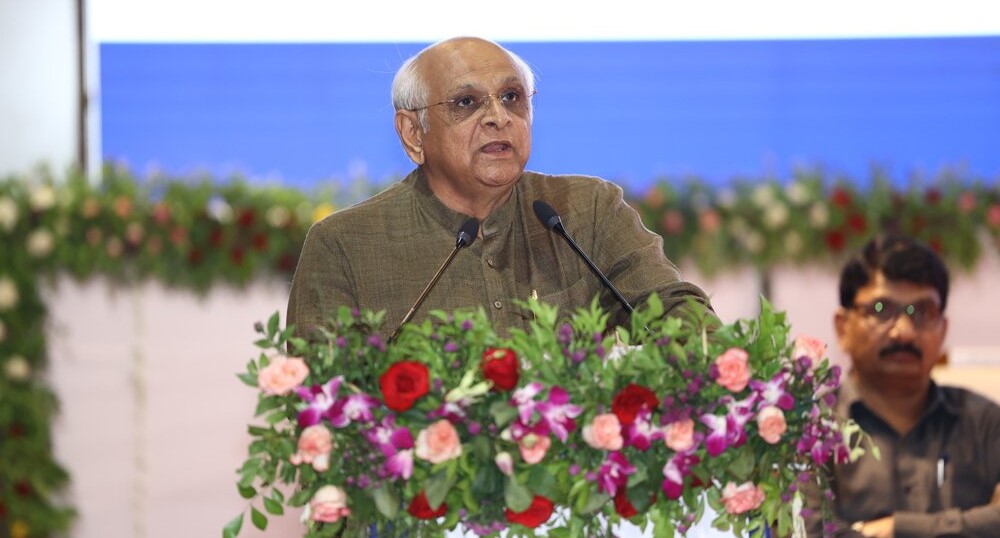
The Gujarat government has made post-audit ‘Exit Conferences’ mandatory for all Panchayati Raj institutions to ensure quicker action on serious financial and administrative irregularities identified during annual audits.
The new mechanism replaces the earlier practice under which disciplinary and corrective action was often delayed after the completion of audit exercises.
According to a government circular issued by the Panchayat, Rural Housing and Rural Development Department on July 28, District Development Officers (DDOs) will be required to convene an Exit Conference immediately after the annual audit of every Gram Panchayat, Taluka Panchayat and District Panchayat.
The government said the initiative is aimed at strengthening transparency and accountability in local self-government institutions by enabling prompt action in cases involving alleged financial misconduct.
Officials said the reform has been introduced under the leadership of Chief Minister Bhupendra Patel, with guidance from Panchayat Minister Rushikesh Patel and Minister of State Sanjaysinh Mahida.
Under the new framework, each Exit Conference will be chaired by the concerned District Development Officer. Senior officers from the Local Fund Audit Department will present only serious audit observations for discussion.
The meetings will review cases involving alleged embezzlement, procurement in violation of prescribed rules, illegal recruitment, financial irregularities and other major administrative lapses.
Based on the findings, District Development Officers will be empowered to initiate disciplinary, preventive or legal action on a priority basis without prolonged procedural delays.
The government said the mechanism is intended to ensure that significant audit findings translate into timely administrative decisions rather than remaining confined to audit reports. It added that the reform would strengthen accountability within Panchayati Raj institutions while improving safeguards for public funds.
According to the government, the mandatory Exit Conference is part of a broader effort to improve transparency, accountability and governance in public administration. It is expected to ensure that funds allocated for rural development are utilised for their intended purposes and that cases of alleged irregularities are addressed more swiftly.
The government said stronger oversight of public expenditure would improve the utilisation of funds earmarked for roads, drinking water, sanitation, social infrastructure and other village development projects, while reducing the scope for misuse of public resources.
(With inputs from IANS)


