







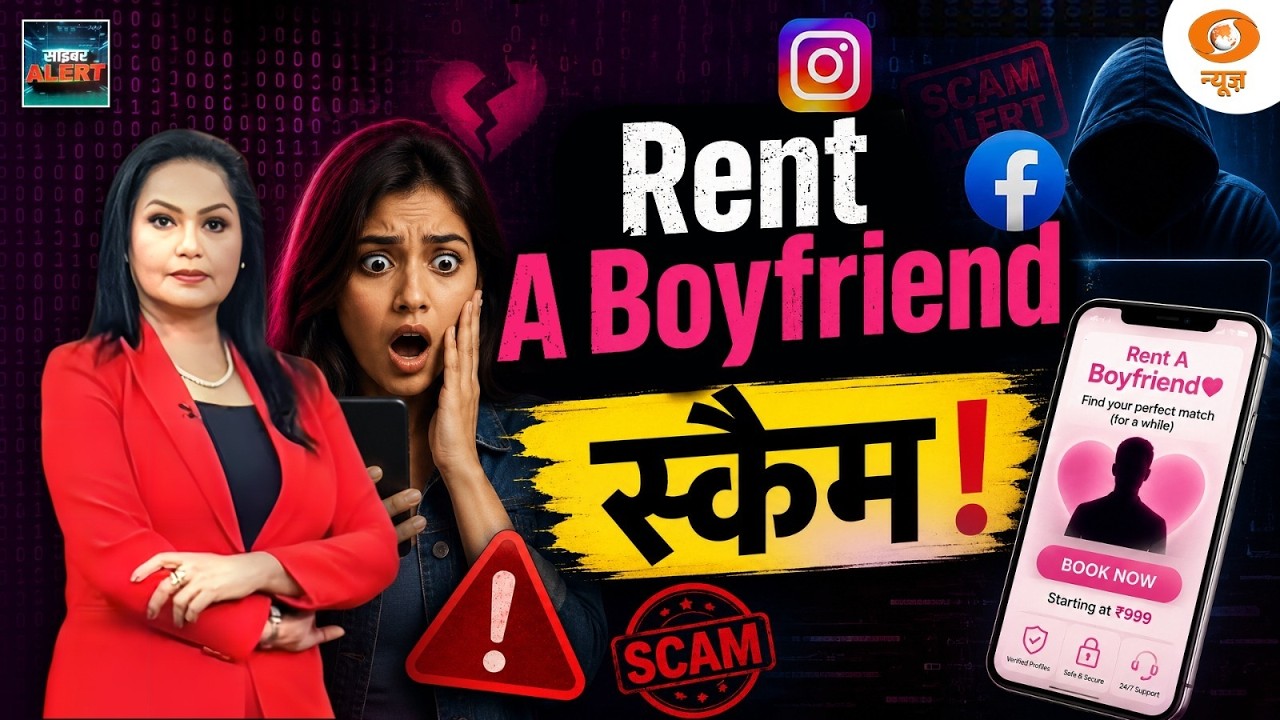
Cyber criminals are increasingly using social media platforms to lure people with attractive offers, with a new “rent-a-boyfriend” scam emerging as a potential dating and companionship trap, cyber experts have warned.
Watch video- https://www.youtube.com/watch?v=rbQRSFLUh6M
The scam involves advertisements circulated on platforms such as Instagram, Telegram and Facebook, offering services such as personal companionship, coffee dates, movie outings and accompanying customers to events, often with attractive discounts.
The advertisements typically feature photographs of young men and offer different packages and rates. Some posts offer a coffee meeting for Rs 499, while others advertise movie dates and companionship at events or weddings.
Once a person shows interest, the alleged service providers ask them to contact them through direct messages. The conversation is then shifted to private messaging platforms such as Telegram, Signal or WhatsApp.
Cyber criminals subsequently attempt to build trust before demanding money in the name of booking confirmation, security deposits or advance payments. The money is collected through digital wallets or QR codes, after which the victim may be blocked.
The Hyderabad Cyber Crime Cell has also drawn attention to such fraudulent advertisements.
Cyber experts have warned that the scam could result in more than just financial losses. Once trust is established, criminals may attempt to obtain personal information, photographs or other sensitive material, which could later be used for blackmail.
Experts have also cautioned that scammers may send malicious links to victims, potentially compromising their mobile phones or personal data.
According to figures cited by cyber officials, around 24 complaints related to the scam have been registered since January 2026, involving losses of nearly Rs 3.5 lakh.
Cyber experts have advised people to exercise caution while responding to online companionship or dating offers and avoid sharing personal information with strangers. They have also warned against transferring money based solely on online conversations or promises.
The growing threat also extends to online friendships, particularly among young people.
In a case reported from Nagpur, a minor girl allegedly came into contact with a man through a fake Instagram profile. After establishing a friendship, the accused allegedly persuaded her to share private photographs and subsequently used them to blackmail her.
The accused allegedly threatened to make the photographs public and later travelled to Nagpur, where he allegedly confined and assaulted the girl. Police subsequently traced the accused using digital technology.
The case has highlighted the risks of trusting unknown people online and sharing personal photographs or sensitive information with them.
Experts have advised young users to be cautious of fake profiles, inconsistent identities, requests for private photographs, demands for secrecy, pressure to meet in person and requests for money.
They have also warned users against downloading unknown applications or clicking on suspicious links sent by online contacts.
Parents, too, have an important role to play in protecting children from online threats, experts said, stressing the need for open communication so that children can discuss uncomfortable or suspicious online interactions without fear.
The cyber threat also includes fraudulent job offers. In another case, Delhi Police’s Ambedkar Nagar unit reportedly busted an interstate human trafficking network and rescued 10 girls from Delhi, Gujarat and Uttar Pradesh.
The accused allegedly used social media advertisements offering attractive jobs and high salaries to lure vulnerable girls.
Cyber experts have identified several red flags in online interactions, including strangers becoming overly familiar very quickly, refusing video calls, providing inconsistent personal details, using suspicious or AI-generated profile photographs and maintaining newly created profiles with limited genuine interactions.
Requests for personal details such as phone numbers, addresses, locations and daily routines should also be treated with caution.
Experts have further warned against requests for private photographs or videos, emotional manipulation, repeated demands to meet alone, requests for money or financial assistance, and links or applications sent by unknown contacts.
In another cyber fraud case, a tractor manufacturing company engineer allegedly lost Rs 15 lakh after downloading a file received through a fake traffic challan message.
An elderly woman was also allegedly defrauded of Rs 8 lakh after receiving a fake message regarding an unpaid gas bill and downloading an APK file.
In another case, a victim was allegedly contacted through Telegram by individuals claiming to represent a digital marketing and services company and was persuaded to download an application.
Meanwhile, the 1601 numbering series has been introduced for certain service- and transaction-related calls. The series can be used by entities including electricity distribution companies, water service providers, city gas distribution companies, LPG agencies, and courier and logistics companies.
Authorities have urged people to remain vigilant and avoid sharing sensitive information or transferring money in response to unsolicited online requests.
In case of a cyber fraud, people can immediately call the national cybercrime helpline at 1930 and file a complaint through the cybercrime reporting portal.


