







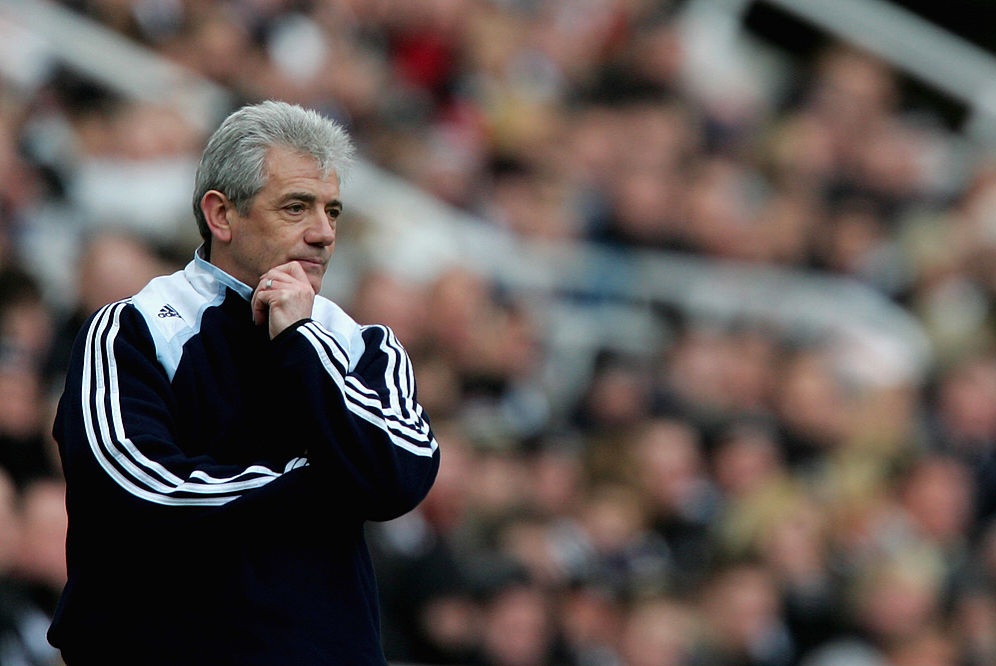
Former England captain and manager Kevin Keegan, one of English football’s most celebrated figures, died on Monday aged 75, seven weeks after revealing he had been diagnosed with stage four cancer.
Keegan’s family said he died surrounded by his wife, Jean, and daughters. A two-time Ballon d’Or winner, he enjoyed a glittering playing career with Scunthorpe United, Liverpool, Hamburg, Southampton and Newcastle United before going on to manage Newcastle, Fulham, England and Manchester City.
Newcastle United led the tributes, describing Keegan as “one of the most iconic, influential and deeply loved figures” in the club’s history.
“As a player, he brought world-class talent, ambition and belief to St James’ Park. As a manager, he ignited our city, giving supporters hope and pride with a team whose style and spirit captured the imagination of football fans around the world,” the club said in a statement.
The Premier League club added that Keegan’s legacy would endure through the memories he created and the generations of supporters he inspired, while extending condolences to his family.
Liverpool, where Keegan won multiple domestic and European honours during a six-year spell, also paid tribute.
“We are deeply saddened by the passing of the legendary Kevin Keegan. His remarkable contribution will be forever etched in our history, and his legacy will live on,” the club posted on X.
Manchester City remembered Keegan as a transformative manager who guided the club back to the Premier League in the 2001-02 season and helped re-establish it in England’s top flight.
Born in Armthorpe, Doncaster, on February 14, 1951, Keegan began his senior career at Scunthorpe United before joining Liverpool in 1972. He later played for Hamburger SV, Southampton and Newcastle United, finishing his playing career in Australia with Blacktown City.
Across a club career spanning 592 appearances, Keegan scored 204 goals. He also earned 63 caps for England, scoring 21 times.
As a manager, Keegan enjoyed two spells at Newcastle and also took charge of Fulham, England and Manchester City. He guided England to Euro 2000 through a play-off victory over Scotland but resigned later that year following a disappointing start to the tournament.
Keegan had disclosed in June that he had been diagnosed with stage four cancer after initially undergoing medical evaluation for persistent abdominal symptoms earlier this year. He is survived by his wife, daughters and grandchildren.
(IANS)


